Photography by Sharon Kurtz, except where noted.
At nearly 10 p.m., the sky over Stockholm still glowed in soft shades of blue. Couples lingered over dinner beside the harbor; ferries crisscrossed the waterways and families strolled through waterfront parks as though bedtime were hours away.
Best of all, I wasn’t wilting in the heat.
After years of summer trips defined by crowded streets, blazing plazas and strategic retreats into air-conditioned museums, Sweden felt like a revelation. In Gothenburg and Stockholm, I found the pleasures of a European vacation — history, culture, excellent food, waterfront beauty and easy exploration — without feeling drained by the season itself.
There is a name for this growing travel style: a coolcation.
More than a clever combination of “cool” and “vacation,” the term reflects a shift in how travelers are thinking about summer escapes. Instead of automatically heading to the hottest beaches or southern cities, many are looking north to places where they can walk, dine outdoors, ride ferries, and enjoy nature in comfort.
Sweden made me understand the appeal immediately.
A European summer that invites you outside
The greatest luxury of my Swedish summer wasn’t a grand hotel or a special meal. It was stepping outside in the morning and wanting to stay there.
Comfortable temperatures changed the rhythm of my days. I could walk farther, linger longer and say yes to one more ferry ride or waterfront stroll without calculating the distance to the nearest patch of shade.
That matters. At a stage of life when travel time feels more valuable, I don’t want summer sightseeing to feel like an endurance test. I still want beautiful cities, memorable meals and days full of discovery. I simply no longer believe they need to come with oppressive heat. In Sweden, summer felt generous rather than punishing.
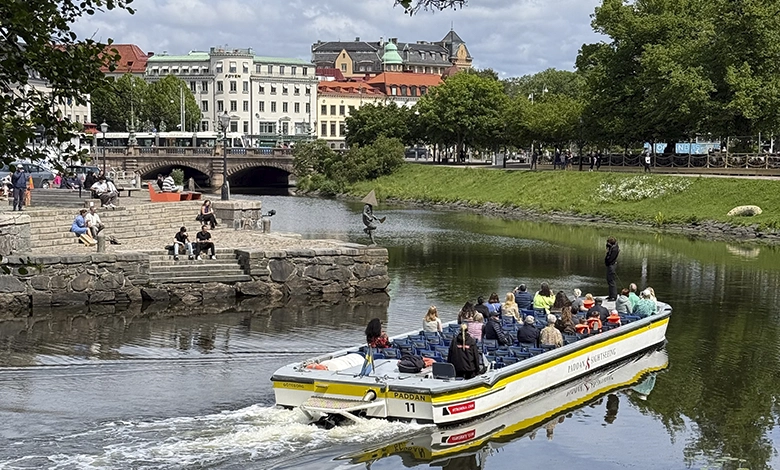
Gothenburg: where the city leads straight to the sea
Gothenburg, Sweden’s second-largest city, quickly won me over with its relaxed pace and easy access to nature.
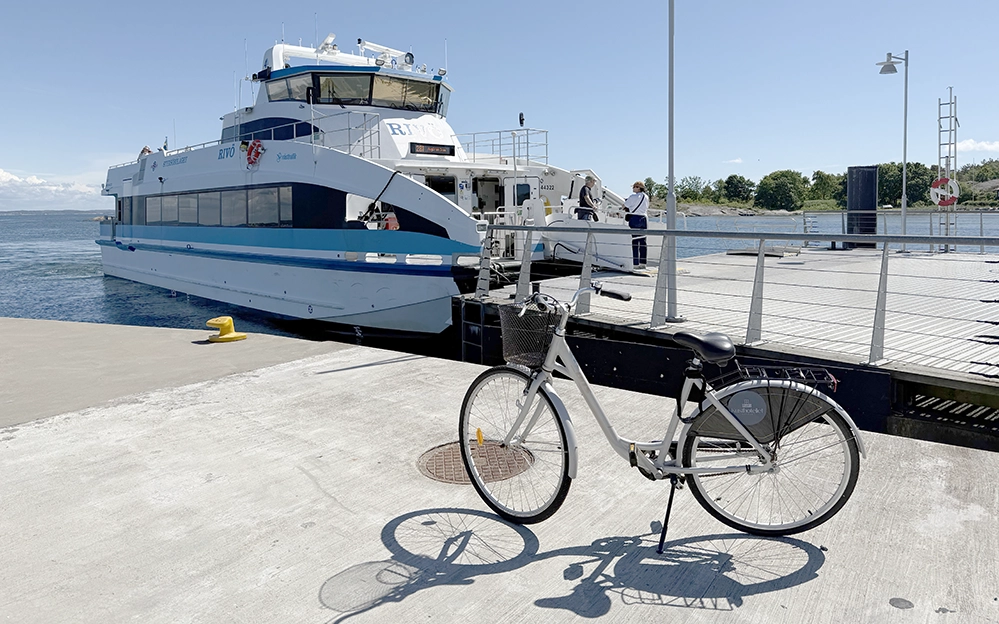
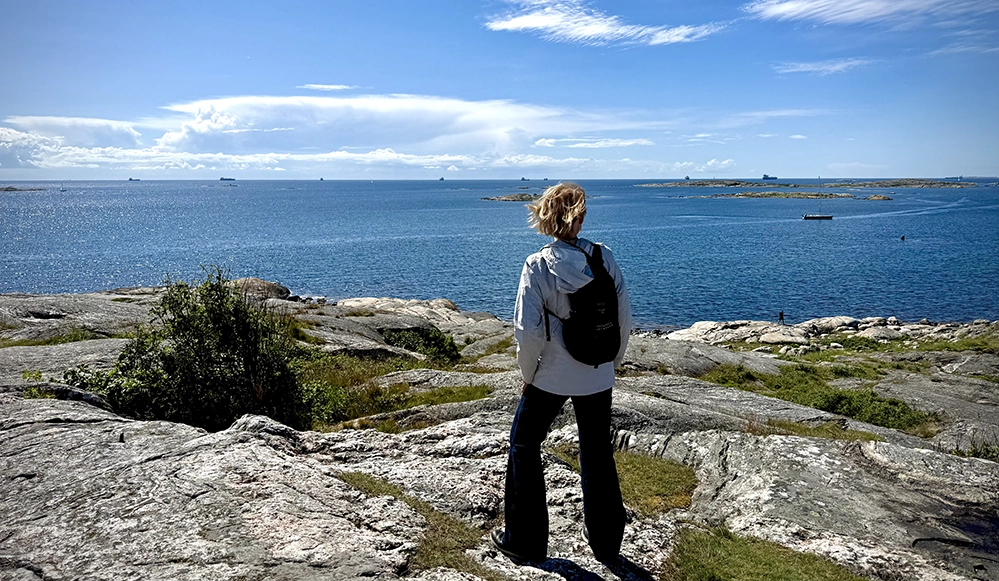
One morning, I boarded public transportation in the city and headed toward the Southern Archipelago. In less than an hour, traffic noise gave way to seabirds, rocky shorelines and open water. That transition — from city streets to car-free islands — was part of the magic.
On Styrsö, I cycled past wooden houses, quiet harbors and coastal paths. Nearby Donsö offered the kind of island scenery that seems made for slowing down: red boathouses, smooth granite rocks and sailboats moving across the water.
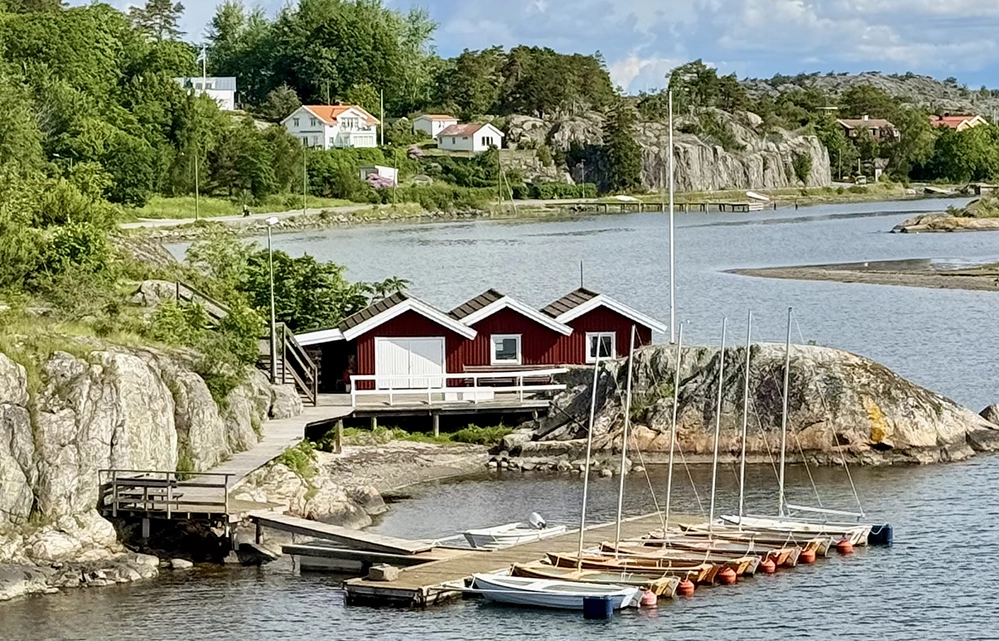
What I appreciated most was how simple it all felt. This was not a complicated excursion requiring a rental car or a tour bus. Trams, buses and ferries made the islands feel like a natural extension of the city. You can visit a museum in the morning, enjoy lunch in the historic Stora Saluhallen market and still end the day beside the sea.
Stockholm: a coolcation of culture and coastline
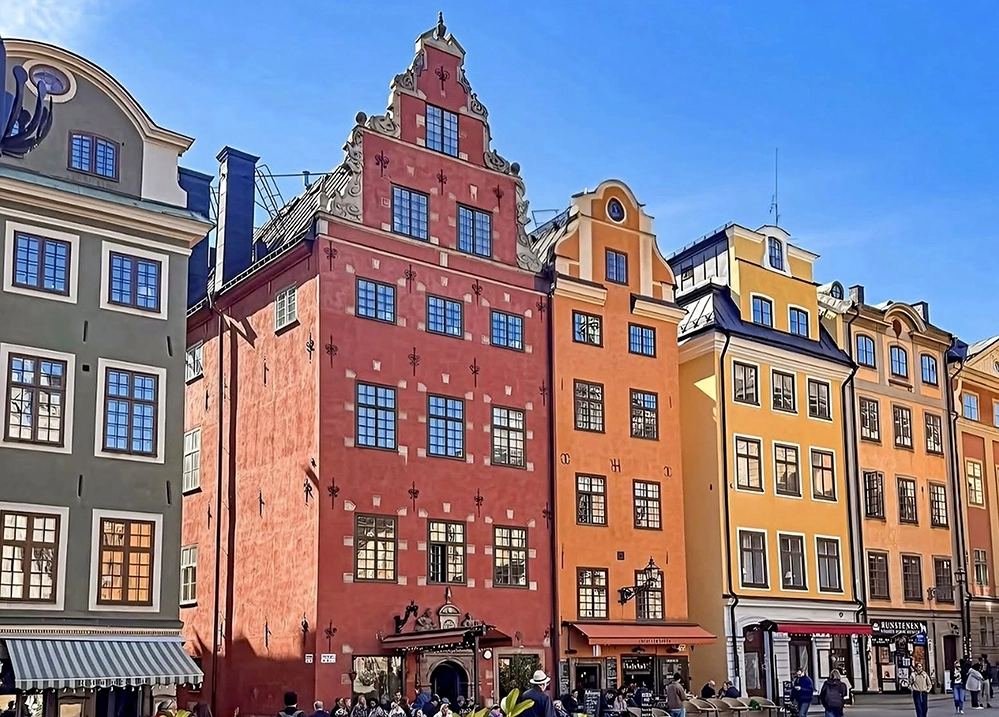
Spread across 14 islands connected by bridges and ferries, Stockholm delivers everything I want from a great European city: royal history, cobblestone streets, elegant architecture, world-class museums, and lively neighborhoods. Yet water was never far away.
I wandered through Gamla Stan, explored museum-rich Djurgården and watched boats cross the city’s sparkling waterways. When my feet needed a break, a ferry ride became both transportation and sightseeing.
Stockholm reminded me that traveling somewhere cooler does not mean giving up culture or beauty. I could visit the Vasa Museum, admire the architecture and enjoy the energy of a capital without building my day around avoiding the hottest hours. There was room to explore, rest, and begin again.
A taste of the Swedish summer
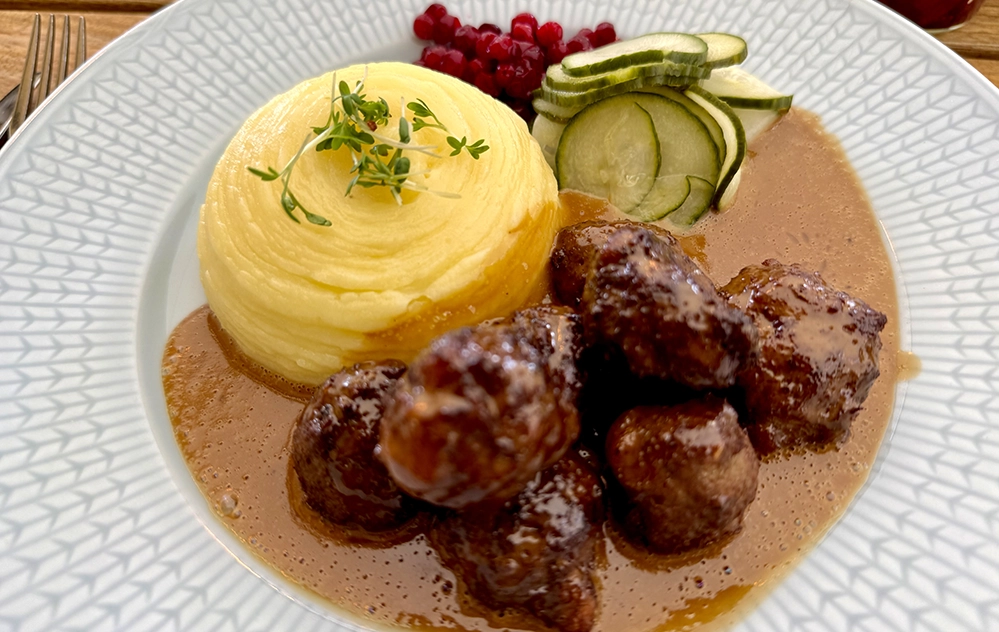
Part of the pleasure here is the food. In Gothenburg, I found market halls like Stora Saluhallen, where the day’s fresh catch turns a simple lunch into something memorable. In both cities, the Swedish classic was a must: köttbullar, the meatballs with lingonberries and a creamy sauce — comfort food that somehow tastes right whatever the weather. Long, bright evenings made lingering over a meal feel natural, and I rarely rushed wherever I happened to be.
Long days change everything
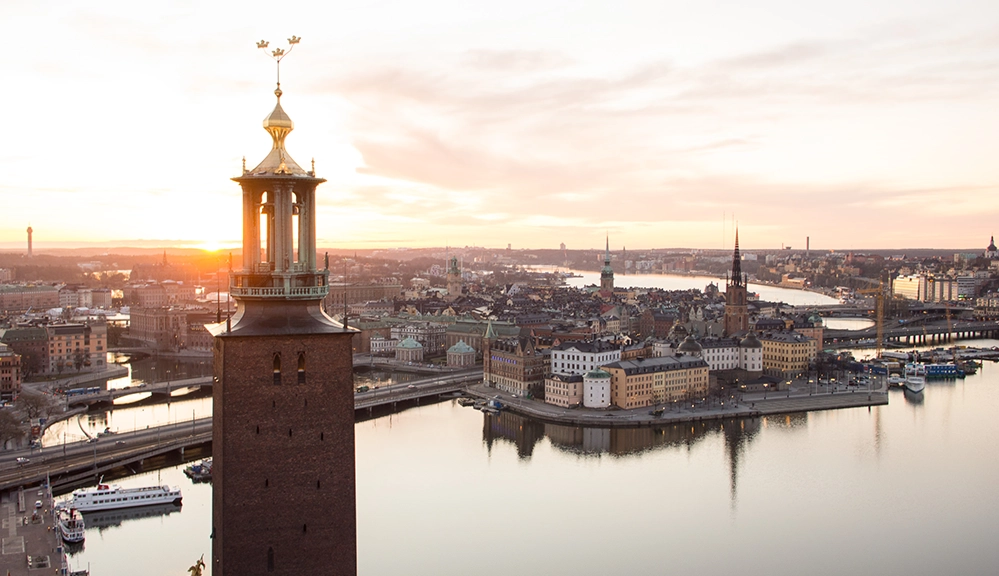
Perhaps the most unexpected pleasure of Sweden in summer was the light. The days seemed reluctant to end.
Even after a full day of sightseeing, I could return to my hotel, put my feet up and still have hours of evening ahead. There was no need to rush through a checklist. I could linger over coffee, take a slower lunch, wander a waterfront path or sit beside the harbor watching ferries come and go.
The extra daylight didn’t make me do more. It let me do everything more slowly.
Getting to Sweden — and seeing Stockholm and Gothenburg
Sweden may feel far north, but getting there is easier than you might think. Major European gateways such as London Heathrow and Frankfurt offer frequent connections to both Stockholm and Gothenburg, with flights of about two hours.
Once in Sweden, there is no need to choose between the two cities. Fast trains connect Stockholm and Gothenburg in about three hours, making it easy to experience both in a single trip. I began in Gothenburg and traveled by train to Stockholm, watching the Swedish countryside pass outside my window — no airport security, no rental car, no complicated transfer, just a comfortable ride from one city to the other. In Sweden, the journey often became part of the pleasure.
Combining the two creates a well-rounded summer in Sweden. Stockholm offers museums, royal history and the energy of a European capital, while Gothenburg offers a slower pace and easy access to the sea and the Southern Archipelago. Both cities are easy to explore without a rental car, which adds to the sense of ease — no driving in an unfamiliar country, no parking, no city traffic to navigate.
Packing for a coolcation
A coolcation does not mean cold weather. Swedish summer can bring sunshine, breezes, clouds and rain, sometimes in the same day. Layers are the secret. Comfortable walking shoes, a light jacket and a rain layer made it easy to adjust to the changing weather.
I also learned to appreciate the small pleasure of needing a jacket on a summer evening. After years of packing for blazing heat, it felt almost luxurious.
A cooler way to love Europe
I still love the sun-drenched plazas, café tables and historic streets that have long defined the classic European summer vacation. But Sweden made me rethink what summer travel can feel like.
In Gothenburg, I found islands, markets, cycling and the sea. In Stockholm, I found royal history, museums, waterfront neighborhoods and long evenings that seemed to stretch endlessly. Both cities gave me something I hadn’t realized I was missing: the freedom to enjoy summer without fighting it.
Perhaps that is the real appeal of a coolcation. It is not simply about going somewhere cooler. It is about choosing a place where the weather, the light and the pace of life make you want to stay outside a little longer.
Common questions about coolcations
What is a coolcation?
A coolcation — a fun blend of “cool” and “vacation” — is a summer trip to a cooler destination, often somewhere northern, chosen to escape the worst of summer. Instead of blazing beaches and sweltering cities, travelers go to places where they can walk, dine outdoors, and enjoy nature without the heat.
Is Sweden a good summer destination?
Yes. With comfortable temperatures, long daylight hours and easy access to both culture and coastline, Sweden is a standout coolcation destination. Stockholm and Gothenburg offer museums, history, and waterfront beauty without the oppressive summer heat of southern Europe.
What’s the best way to travel between Stockholm and Gothenburg?
Fast trains connect Stockholm and Gothenburg, the country’s second-largest city, in about three hours, making it easy to visit both in one trip — no rental car needed. Many travelers start in one city and take the train to the other, enjoying the Swedish countryside along the way.
For more information and help planning your own coolcation in Sweden, check out Visit Sweden, Visit Stockholm, and Göteborg & Co., the official tourism resources.
You just read one of our favorite stories. There’s more where this came from — subscribe, and we’ll bring them to you every Tuesday.