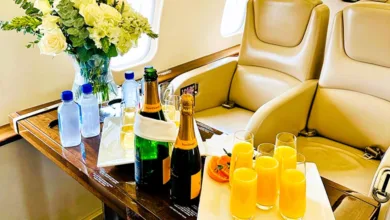
South Africa Wine Travel Guide: Swartland, Stellenbosch, Robertson, Franschhoek


By Jeanne Savelle | Photos courtesy of featured wineries.
For travelers in the 50+ community who value world-class wine, thoughtful hospitality, and a relaxed pace, South Africa delivers something increasingly rare: depth without pretense, accessibility, and a sense of discovery—without the high cost.
The wines have never been better, and nowhere else can you combine serious wine tasting with a gorgeous coastline, striking mountain landscapes, and safaris. South Africa feels both familiar and new, even for experienced travelers.
A wine renaissance rooted in place
The story of South Africa’s wine is driven by the land. From Swartland to Stellenbosch and Franschhoek, winemakers emphasize old-vine vineyards, farming without irrigation, and little intervention in the cellar. The results are in the glass: wines of purity and expression that resonate with almost every wine drinker
Swartland: Where innovation meets high elevation
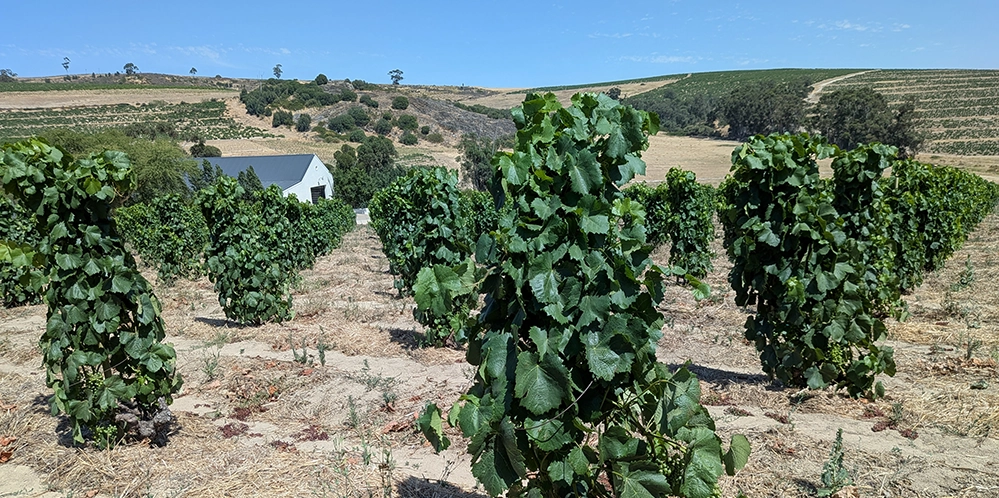
Swartland’s rise has reshaped South Africa’s wine identity through meticulous care for the land, water, and people in this high-elevation, desert-like region. You won’t find many tourists here.
At Sadie Family Wines, we spent three hours in what was essentially a masterclass on South African viticulture and geology. Plan enough time for your visit. Eben Sadie’s global reputation rests on a deep respect for heritage sites and rare varieties. These wines felt like pure mountain spring water, but with far more depth and character.
The Chenin Blancs and Rhône-style blends at David & Nadia (also Sadie, though unrelated) are driven by precision and restraint. One of their Grenache wines changed my perception of the variety. It was luminous—I felt like I was drinking rubies.
The folks at Badenhorst Family Wines are passionate yet fun. After tasting their Chenin-focused lineup, we dove into a self-serve, farm-style lunch, followed by a tour of the cellar, where they still play vinyl records.

The best of Stellenbosch
Stellenbosch remains the heart of South Africa’s wine industry. Sophisticated yet relaxed, it’s an easy town to explore on foot, with outstanding restaurants that celebrate local wines.
Wine lovers should not miss the iconic, family-owned Kanonkop Wine Estate. It pioneered Pinotage as South Africa’s signature grape. This tradition-bound winery produces structured wines, including Cabernet Sauvignon blends, that age beautifully. Having visited three times, we tasted the complete lineup.
Set on one of the Cape’s oldest farms, Babylonstoren offers the most distinctive experience, which combines wine, food, gardens, restaurants, a hotel, and a museum. Most of what you enjoy at lunch or dinner—including the wine—is grown on site. We return with every visit.
In the Polkadraai Hills, De Toren Private Cellar makes structured, age-worthy Bordeaux-style blends. You could taste the detail-driven winemaking in the intensity of the wines. We tasted only three wines here because of their smaller production.
Classic estates closer to Cape Town
For those who prefer to stay closer to Cape Town, visit these established wineries.
Diemersdal Wines in Durbanville is a historic estate that pours a wide variety of wines. Their Sauvignon Blanc showed a rare depth and texture. You can also book a mini-safari.
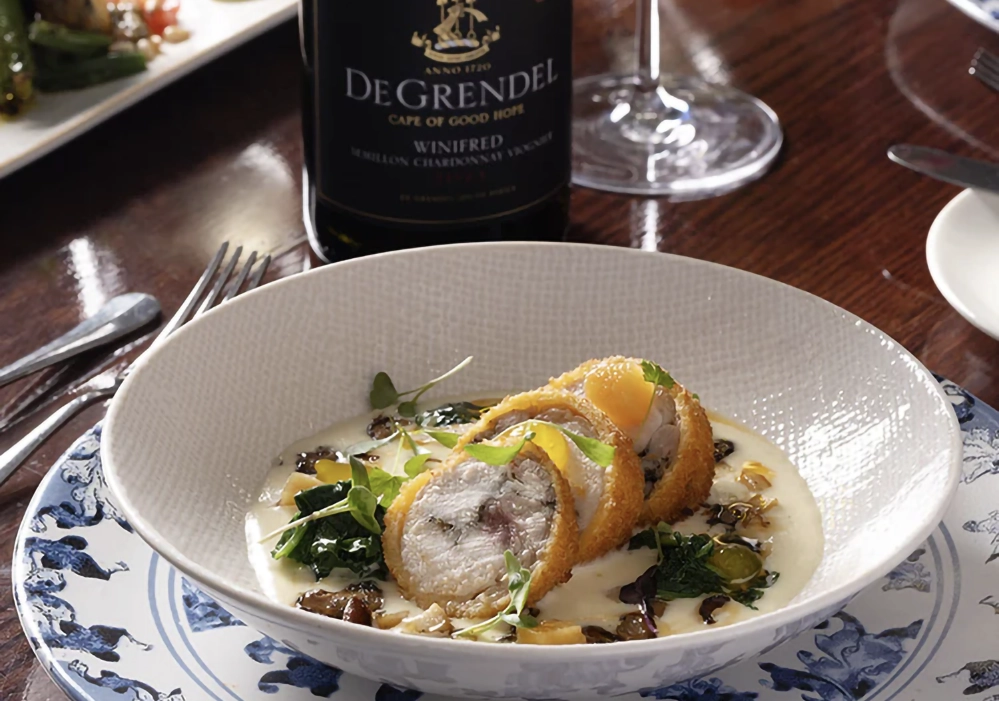
People who love great food and drink and a fabulous view should visit De Grendel Wine Estate. We lingered over a gourmet lunch paired with their Cap Classique sparkling wines. Book a table in advance for sunset.
This was our second visit to Raats Family Wines, which focuses exclusively on old-vine Chenin Blanc and Cabernet Franc—an unusual choice for this region. In their small, upstairs tasting room, we found these highly rated wines consistently well-crafted.
Robertson: The heart of Cap Classique
Inland east of Paarl, Robertson’s limestone-rich soils yield exceptional sparkling wine. This is home to Graham Beck, the most internationally respected producer of South Africa’s traditional method sparkling wine, known as Cap Classique. You get the finesse of Champagne for far less money. It’s worth the drive to taste their reserve wines.
Silverthorn shares a more intimate, in-depth look at Cap Classique sparkling wines. The owners even hired a paleontologist to study the land—insight that truly shapes the character of these wines. Tastings take place beneath the trees, overlooking the river and the mountains beyond.
Franschhoek: French-inspired Cap Classique
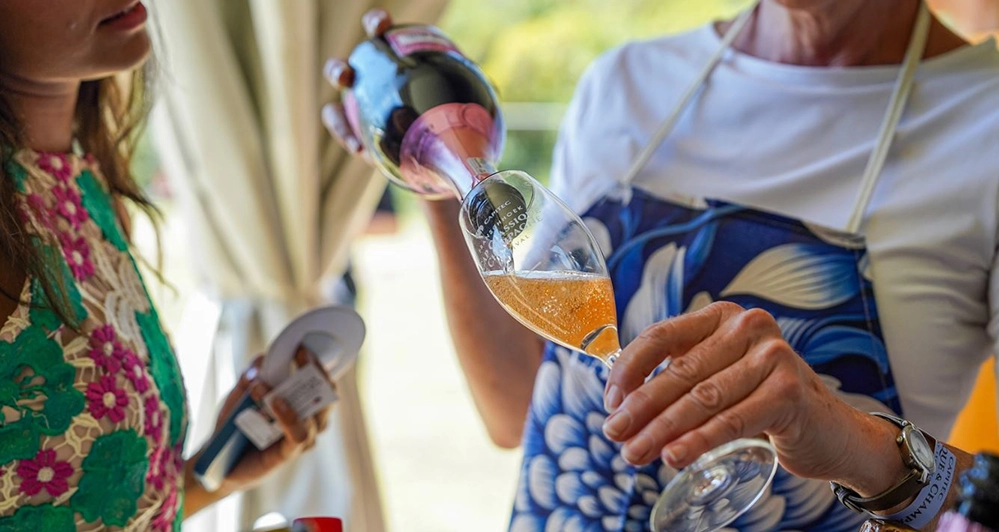
Our visit coincided with the Cap Classique Festival, held the last weekend of November in the French Huguenot-founded city of Franschhoek. Most major sparkling producers take part in a lively, refined celebration of sparkling wine, food, and live music. Stay until the end, and you may be treated to an impromptu a cappella performance by fellow guests—a joyful reminder of how communal wine culture can be here.
Why go now?
- Late spring through early summer. October through December is the perfect season. Temperatures are moderate, and the crowds of high summer have not yet arrived.
- Your dollar goes further for sophisticated luxury. A favorable exchange rate and lower overall costs mean outstanding value on wine tastings, private tours, dining, and accommodations.
- Easy, comfortable travel. Well-maintained roads, professional drivers, and established tourism infrastructure make getting around straightforward and stress-free.
- You’ll never get bored. Dramatic scenery, world-class wine, wildlife, coastal drives, and cultural experiences—all in one destination.
- Warm, welcoming hospitality. Locals are genuinely friendly and service-oriented, making travel feel personal and relaxed.
You just read one of our favorite stories. There’s more where this came from — subscribe, and we’ll bring them to you every Tuesday.