Photos by: Sharon Kurtz
If crowded mega-ships have kept you from cruising, a smaller vessel may change everything you thought you knew about seeing the world by sea.
“I don’t do cruises.”
I’ve heard that sentence from friends, readers and fellow travelers for years. Usually the reasons sound familiar: too many people, endless buffets, crowded pools, noisy casinos, long lines and a vacation that feels more like an amusement park than an escape. For years, I understood exactly what they meant.
Then I stepped aboard Windstar Cruises’ Star Legend, a yacht-style ship carrying just 312 guests, for an eight-night Mediterranean voyage from Athens to Barcelona. Somewhere between wandering a Sardinian market with the ship’s executive chef, chatting with crew members who knew my name, and sailing into ports the giant ships can’t reach, I realized something.
Maybe some people don’t dislike cruising. Maybe they’ve simply been imagining the wrong kind of cruise.
What small ship cruising actually feels like
One of the first things I noticed was what wasn’t there.
No crowds. No endless hallways. No studying maps to figure out where I was going.
Everything was comfortably within reach. After a day exploring ashore, returning to the ship felt like coming back to a boutique hotel instead of a floating city.
For travelers over 50, that simplicity matters. There was less walking, fewer stairs to navigate and no rushing to secure a lounge chair or dinner reservation. Instead of feeling overwhelmed, I felt relaxed almost immediately.
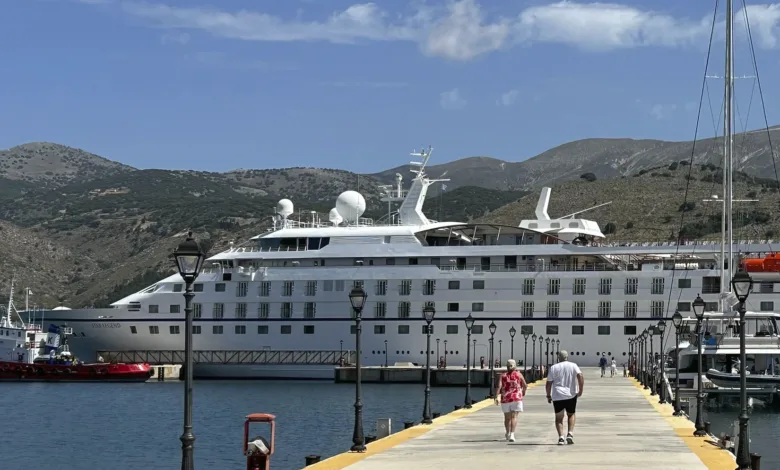
Approaching Corfu. No narration — just the wind, the Mediterranean, and the view.
The destination takes center stage
On many large ships, the attraction is the ship itself. On Star Legend, the destinations remained the stars.
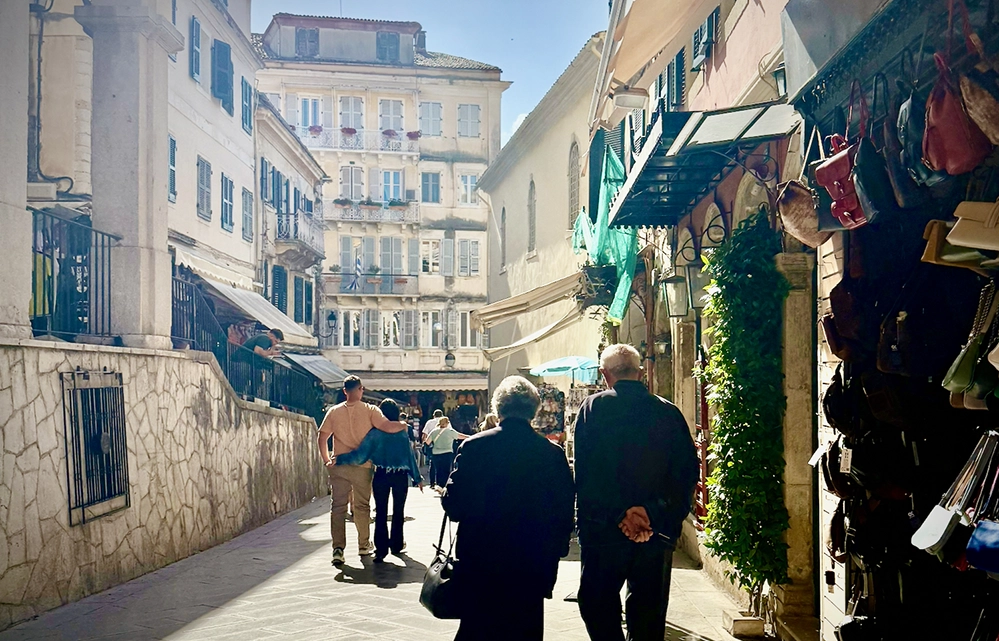
Our itinerary included Greece, Italy and Spain, with stops in ports large enough to offer history and culture yet small enough to explore without feeling swallowed by crowds. Walking ashore often took just minutes.
Because Star Legend carries just 312 guests, it can visit ports many larger cruise ships either can’t access or don’t include on their itineraries. Instead of docking far from town or waiting in long lines to disembark, we were soon strolling historic streets, browsing local markets and settling into cafés. Less time getting on and off the ship meant more time experiencing the places we had come to see.
Each day focused on discovering the destination rather than hurrying back for onboard entertainment. That’s exactly how I prefer to travel.
Eating your way through a Blue Zone
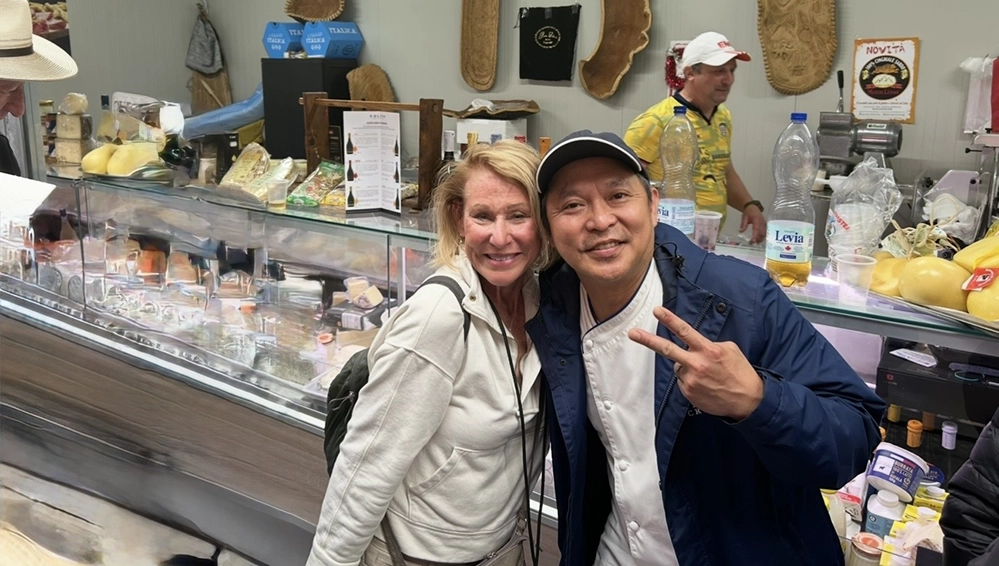
One of the highlights of the voyage came in Sardinia, where a small group of us joined Executive Chef Neil Romulus on a guided visit to Cagliari’s bustling San Benedetto Market. Sardinia is one of only five recognized Blue Zones in the world — places where people routinely live longer, healthier lives.
Walking through the market, it was easy to see why. Fresh seafood, seasonal vegetables, legumes, herbs, artisan cheeses and locally produced olive oil filled the stalls, reflecting a Mediterranean way of eating that has become as much a part of the island’s identity as its beaches and ancient villages.
Chef Neil explained how he chooses ingredients that reflect each destination rather than relying on the same menus throughout the voyage. Later that evening, watching those market finds transformed into dinner created a connection between the port we’d explored and the meal on our plates.
That philosophy carried through the entire cruise. In Greece, crisp local white wines accompanied Mediterranean dishes inspired by the region. In Sicily, the menus featured Sicilian wines and flavors rooted in the island’s culinary traditions.
For travelers who believe food is one of the best ways to understand a destination, the dining became part of the journey rather than simply a pleasant amenity.
Where everybody knows your name
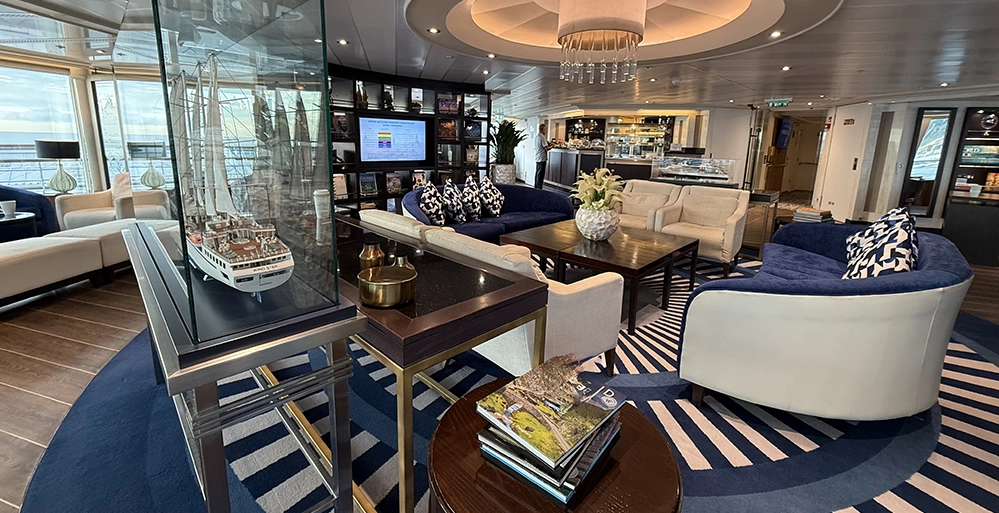
Every morning began the same way. Before heading ashore, I made my way to The Yacht Club, a welcoming lounge at the bow of the ship wrapped in floor-to-ceiling windows. Comfortable chairs invited you to linger with a book, doors opened to a teak deck where you could watch the sea roll by, and a half-finished jigsaw puzzle on a nearby table always seemed to be waiting for the next person to add a few pieces.
By my second visit, the crew greeted me by name, and my cappuccino appeared just the way I liked it, paired with a warm pastry, before I even had to ask. Guests exchanged smiles, stopped for a chat and settled into favorite chairs as naturally as neighbors gathering at a local coffee shop.
At the end of the cruise, The Yacht Club had become more than my favorite place on board. It felt like the ship’s living room.
The unexpected gift of a smaller crew
Our cabin steward, David from the Philippines, greeted us each day with a warm smile and genuine interest in how we were enjoying the voyage. Over the course of the week, we learned about his family back home, and he learned about ours. Those conversations never felt rehearsed or transactional. They felt like the kind of connections that happen naturally when a ship is small enough for crew and guests to truly get to know one another.
That same warmth extended throughout the ship. Servers remembered our favorite drinks, crew members asked about yesterday’s excursion, and familiar faces greeted us wherever we went. Those everyday interactions transformed excellent service into genuine hospitality.

When travel doesn’t go according to plan
Like every traveler, I had a list of experiences I was eager to check off. One of them was sailing through Greece’s famous Corinth Canal. Weather and operational conditions made that impossible.
Years ago, I might have focused on what I missed. Instead, I found myself appreciating something I’ve learned after decades of travel: flexibility often leads to the best experiences. I enjoyed conversations with fellow passengers, admired the coastline from the deck and looked forward to the adventures still ahead.
Perfect itineraries don’t define memorable journeys. They’re defined by how willingly we embrace the unexpected.
A better fit for this stage of life
At this stage, my travel priorities have changed. I’m less interested in checking attractions off a list and more interested in meaningful experiences — quieter mornings with coffee on my balcony, conversations with local guides, lingering over dinner, having time to absorb where I am. We sailed in May, when the Mediterranean is warm, but the summer crowds haven’t arrived.
Small ship cruising naturally supports that slower rhythm. No water slides competing for attention. No announcements urging passengers to the next activity. No pressure to be constantly entertained.
The destinations provided all the excitement I needed.
If you’ve been saying cruises aren’t for you
You may be right.
If your idea of cruising is a floating resort packed with thousands of passengers, that style of travel may never appeal to you. But don’t let that image keep you from considering every kind of cruise.
A small ship offers an entirely different experience — one centered on destinations, personal service, thoughtful dining and the simple pleasure of slowing down enough to appreciate the journey.
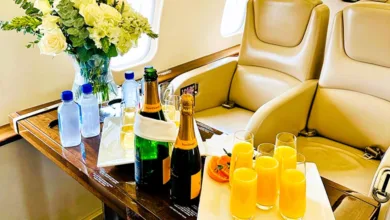
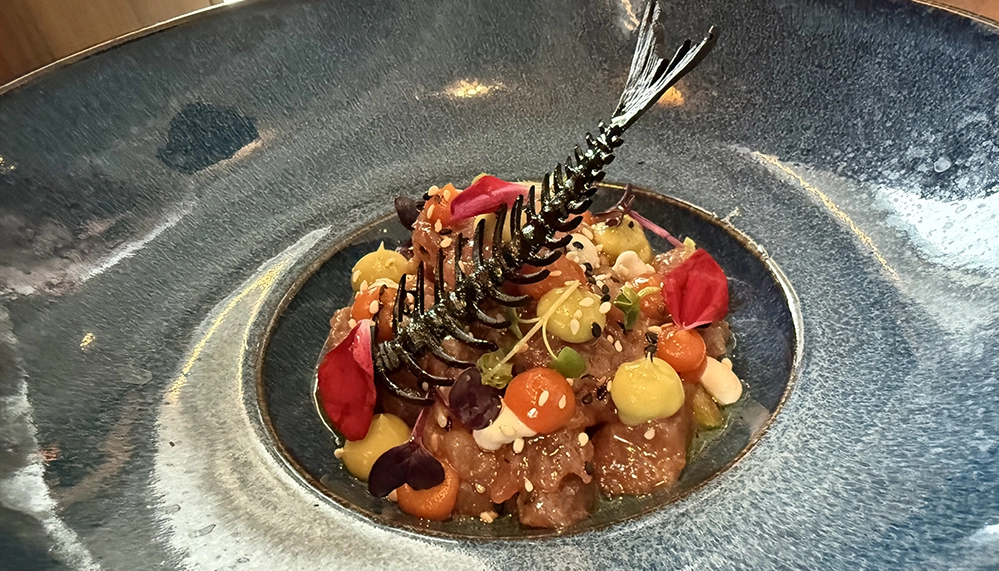
A tuna tartare in Basil & Bamboo arrived looking like something from a restaurant that takes reservations months out. The filet at Amphora came with a cabernet reduction. On a ship this size, the kitchen isn’t feeding thousands — which is why the plates look the way they do.
I didn’t discover that I suddenly loved cruising. I discovered there isn’t just one kind of cruising.
And for travelers over 50 looking for a slower, more personal way to explore the world, that distinction makes all the difference
Small ship cruising questions answered
What counts as a small ship cruise?
Generally any vessel carrying fewer than about 1,000 guests. Yacht-style ships like Windstar’s Star Legend carry around 300, compared with 3,000 to 6,000 on the largest mainstream ships.
Are small ship cruises better for travelers over 50?
Small ship cruises often mean less walking, fewer stairs, no lines for dining or disembarkation, and ports close enough to town to reach on foot. The pace suits travelers who prefer absorbing a destination to racing through it.
Do small ships go to different ports?
Yes — that’s one of the main advantages. Smaller vessels can dock at harbors that can’t physically accommodate large ships, which often means smaller towns and shorter walks into the center.
What’s the best time of year for a Mediterranean cruise?
Shoulder season — spring and fall — brings warm weather and lighter crowds than summer. On a small ship it matters even more, since the ports themselves are quieter and the walk into town is the point.
Are small ship cruises more expensive?
The fare is usually higher per night, though more is typically included. A lower headline fare on a large ship often comes with more paid extras, so a straight comparison misleads.
What is Windstar Star Legend like?
A 312-guest yacht-style ship sailing Mediterranean itineraries among others, with destination-driven menus and a crew-to-guest ratio high enough that staff learn your name within a day or two.
Next time you’re wondering where to go and what to do that’s different, consider the smaller side of cruising. It may turn out to be the best experience you’ve ever had.
Windstar Cruises hosted this voyage. fyi50+ maintains full editorial control over all coverage.
You just read one of our favorite stories. There’s more where this came from — subscribe, and we’ll bring them to you every Tuesday.