What makes Valle de Guadalupe special?
Often called the Napa Valley of Mexico, Valle de Guadalupe is a treasure without the often-madding crowds of California’s famous Napa Valley.
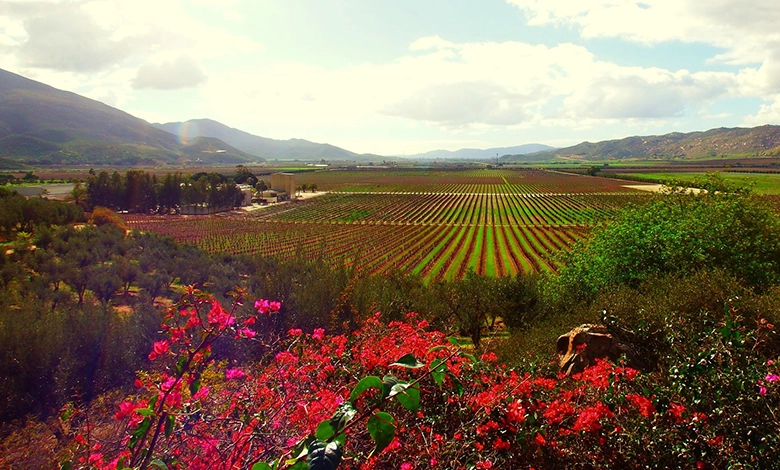
Located in Baja California, just 90 minutes south of San Diego, the region is renowned as Mexico’s premier wine country, blending rustic charm with world-class wines, innovative cuisine and breathtaking landscapes.
What I find endearing about Valle de Guadalupe is that the signs on the picturesque Ruta Del Vino (route of the vine) are not always clear, but that’s all part of its rustic charm. To some, this might be a bit frustrating. For me, it’s all part of the region’s delightful character. GPS doesn’t always work well in the Valle in more off-the-main-trek areas, though if you ask for directions, locals are happy to guide you by describing dirt roads, a white building, a right turn-off, a farm sign, and the like. But somehow it all works.
A brief history of Mexico’s wine country
Jesuit priests planted the first grapevines here in the 18th century, and its first winery, Bodegas de Santo Tomas, was established in the late 1800s.
The number of wineries depends a bit on how you count them (artisan and boutique vs. commercial, etc.), but it’s widely agreed that there are about 150 dotting the picturesque valley surrounded by boulder-stacked mountains. Valle de Guadalupe produces almost 90 percent of Mexico’s wine, according to regional wine authorities, making it one of North America’s fastest-growing wine regions.
Red, White, and Rosé: The Wines
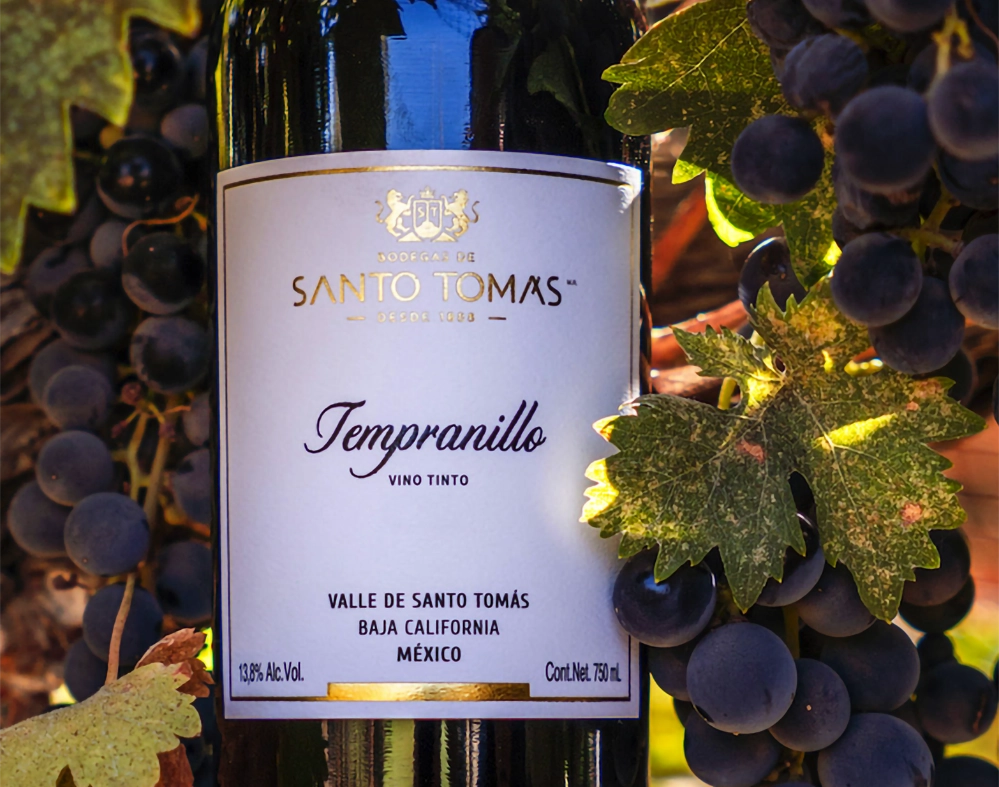
The valley has a semi-arid Mediterranean climate with hot days and cool nights— perfect for growing grapes, and is well-known for its bold reds like Nebbiolo, Tempranillo, Cabernet Sauvignon and Grenache. However, white varietals such as Chenin Blanc, Sauvignon Blanc and Viognier are becoming much more popular.
Where to stay
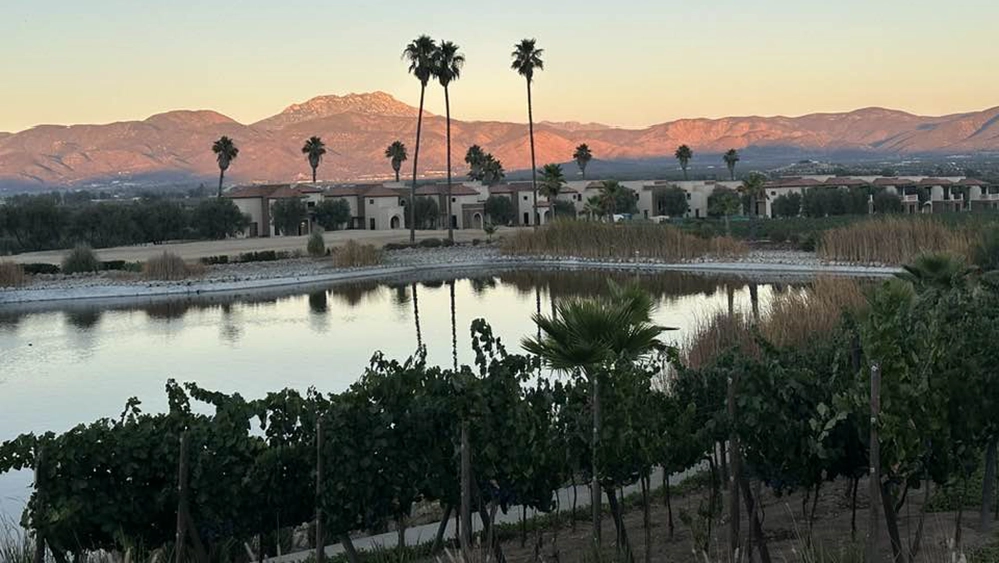
Visitors will find everything from luxury eco-resorts to quirky boutique hotels and glamping spots. Many wineries offer on-site lodging for those who prefer to sip and stay.
Two of my favorites are very different, but both are outstanding choices, depending on your preference.
Adobe Guadalupe Vineyards & Inn is both a winery and a boutique bed and breakfast inn with six rustic but well-appointed guestrooms, each named for an archangel, like their wines. The hacienda-style property surrounded by mountains was inspired by Persian architectural elements with courtyards, a fountain, gardens, a library/living room, dining room that serves elegant five-course dinners, and a large, welcoming kitchen, where breakfast is served each morning.
Guests can taste Adobe Guadalupe’s superb wines in the “cava” tasting room or horseback ride on their exotic Azteca horses through the vineyards or surrounding landscape.
El Cielo Resort & Winery is a luxury resort featuring 95 stunning suites spread among several villas surrounding a picturesque lake. Master suites have kitchens, fireplaces and outdoor fire pits. The grounds are masterfully designed and even include a lovely chapel for weddings or those wanting to attend Catholic mass.
Resort activities abound with several unique winetasting experiences of their award-winning vintages, vineyard tours, wine and chocolate pairing, grape stomping, a wagon ride through the vineyards, biking and golf carts rentals and even a falconry introduction. El Cielo is a culinary haven with two restaurants on site, Latitud 32 and Polaris, offering delectable dishes showcasing a Yucatán-Baja fusion menu.
Where to eat
Dining in Valle de Guadalupe is a big part of what makes a trip special. Many restaurants are true-blue farm-to-table or garden-to-table relying heavily on local produce, artisan cheeses, fresh herbs and daily caught Pacific fish from the nearby Ensenada coast. From food trucks and casual to rustic elegance and higher end Michelin-starred spots, visitors will find plenty of options.
For me, the one restaurant that represents Valle de Guadalupe to a T is La Cocina de Doña Esthela, known for its warm, family-style Mexican cooking with hearty, traditional flavors. The wafting of fresh cooked tortillas, meats and spices is intoxicating and though Doña Esthela won the prestigious “Best Breakfast in the World” award by FoodieHub in 2015 for her Machaca con Huevos [FIX spelling], is considered a local legend and has been visited by Gordon Ramsay [FIX spelling] and other chefs around the globe, she still dons an apron in the kitchen and delivers food to the tables of her happy patrons.
Word of warning though. Plan to get here early, especially on the weekends as the waits can be brutal. Yes, the food is that good.
More Than Wine: Hot springs, hiking, and ocean adventures
Beyond wine tasting, the region has a lot to offer.
If you visit during Vendemia (the harvest) in August, many of the wineries offer tastings, dinners, live music and cultural events. One not-to-be-missed event that I thoroughly enjoyed was the annual Fiestas de la Vendemia, a fun and lively festival that brings together more than 50 winemakers presenting over 130 different wines and 90 teams that make paella, all hoping to take home the coveted first-place prize.
Other options for outdoor activities include Valle de Guadalupe Hot Springs and Russian Valley Hot Springs along with hiking trails leading to panoramic views of the valley, ATV and off-road tours and sunrise hot air balloon rides.
And for those who love the ocean (like me), Ensenada is only 20 miles to the west.
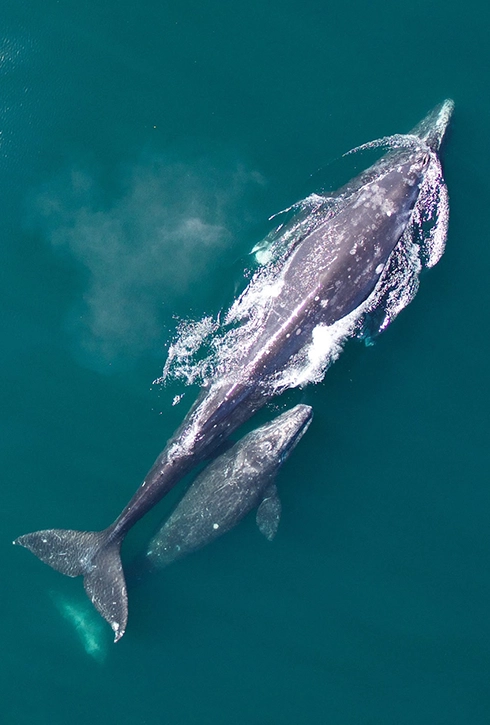
The coastal city features a malecón (boardwalk), a historic downtown, cantinas, plazas and markets, La Bufadora, a marine blowhole and a myriad of water activities to include kayaking, snorkeling and scuba diving, jet-skiing, whale watching (in winter-early spring), fishing and sailing.
When to visit
Valle de Guadalupe welcomes visitors year-round, but timing can enhance your experience.
- December-March: Cooler temperatures make this low season, but you’ll find great deals on accommodations and personalized attention at wineries.
- Whale watching season (December-April) in nearby Ensenada adds an extra draw for winter visitors. https://sergiosfishing.com/whales/
- April-July: Spring brings wildflowers and comfortable temperatures. Summer heats up but early mornings and evenings remain pleasant for wine tasting.
- August (Vendemia/Harvest Season): The most festive time with harvest celebrations, wine festivals, Fiestas de la Vendemia, and special events at wineries. Expect larger crowds but incredible atmosphere.
- September-November: Ideal weather with warm days and cool evenings. Post-harvest calm means fewer crowds while wineries are still buzzing with activity.
Getting to Valle de Guadalupe
Getting to Valle de Guadalupe is straightforward, whether you live in California, or you fly into LAX or San Diego airports from another state. But, planning ahead is essential.
By car (90 minutes):
- Cross the border at San Ysidro or Otay Mesa
- Take Highway 3 (Tecate Highway) east toward Ensenada
- Valle de Guadalupe is clearly marked along the route
- Important: Purchase Mexican auto insurance before crossing (required by law)
- Have cash for toll roads (approximately $3-5 USD)
Border crossing tips you should know:
- Weekday mornings typically have shorter wait times returning to the U.S.
- Download the BWT CBP Border Wait Times app for real-time updates
- Bring passport or passport card (required for re-entry)
- Declare any wine purchases at U.S. customs
Organized Tours: You can book a wine tasting outing through a San Diego-based tour company that offers day trips or overnight packages, eliminating border crossing concerns and allowing everyone to enjoy wine tasting without designated drivers.

Frequently asked questions
Q: Is Valle de Guadalupe safe for tourists?
A: Yes. Valle de Guadalupe is considered one of the safest tourist destinations in Baja California. The wine country is well-traveled by international visitors, and you’ll find a welcoming, tourism-friendly atmosphere. Exercise normal travel precautions as you would anywhere.
Q: Do you need a passport to visit Valle de Guadalupe?
A: Yes. U.S. citizens need a valid passport or passport card to return from Mexico to the United States.
Q: How many wineries can you visit in one day?
A: Plan for 3-4 wineries maximum. Many require reservations, and rushing diminishes the experience. Quality over quantity makes for the best visit.
Q: Do you need to speak Spanish?
A: While Spanish is helpful, many wineries and restaurants in Valle de Guadalupe cater to English-speaking tourists. Staff at major establishments typically speak English, though learning basic phrases enhances the experience.
Q: Can you drink the water in Valle de Guadalupe?
A: Stick to bottled water as you would throughout Mexico. Most hotels and restaurants provide purified water.
And as the sun sets over the vineyards, casting a golden glow across the valley, visitors leave with more than just memories—they carry a deep connection to a land where tradition, passion, and nature come together in every sip and every bite. Valle de Guadalupe isn’t just a place to visit; it’s a story you become part of.
You just read one of our favorite stories. There’s more where this came from — subscribe, and we’ll bring them to you every Tuesday.