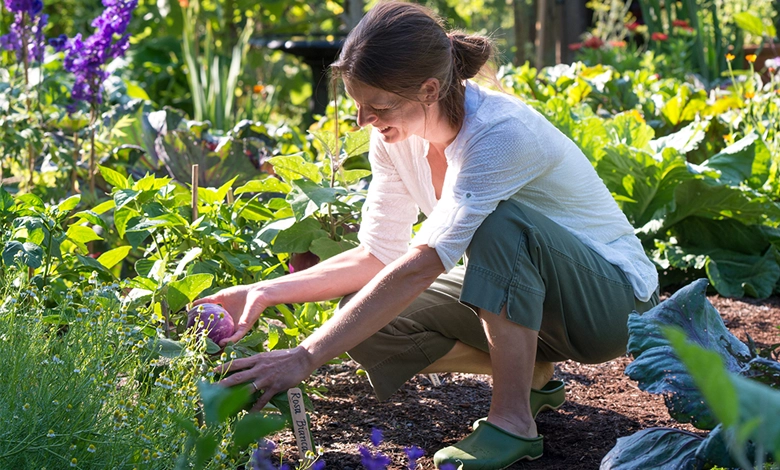
With food prices climbing, a backyard garden—or even a few containers on your patio—can save money and put the freshest, most flavorful produce on your table.
With food prices rising, now is a great time to start your own vegetable garden. Not only can you save money, but you’ll also enjoy great flavor and maximum nutritional value. If you’re over 50, there’s a bonus: gardening is one of the best low-impact activities for staying active, reducing stress, and keeping your mind sharp. You don’t need a lot of space or experience—just a plan and a little patience.
Start with what you love to eat
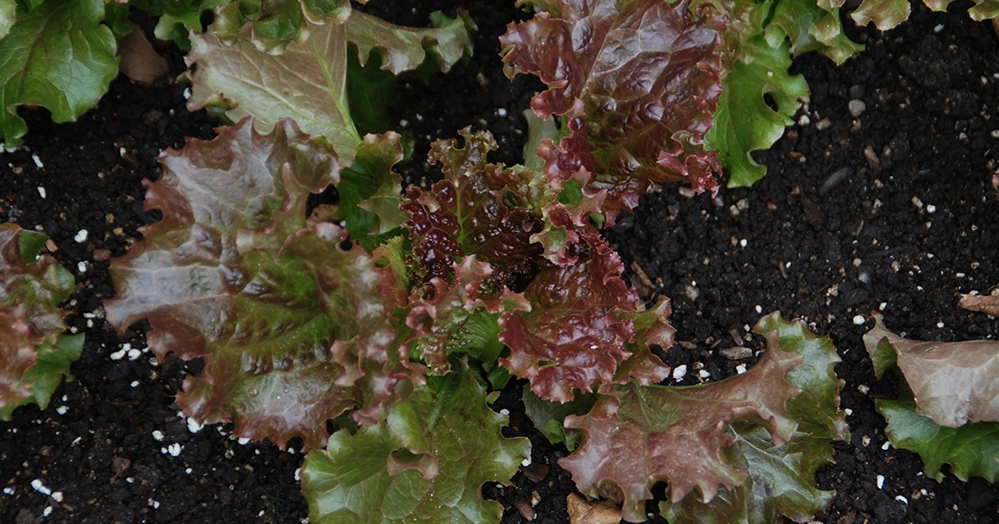
Your first trip to the garden center can result in buying more plants than you have space and time to grow. Take a step back and consider growing what you and your family actually like to eat fresh. Some vegetables, like greens, broccoli, and peas, taste best when harvested from the garden and served the same day. Include vegetables that show up in your favorite recipes. Even a few garden-fresh additions can boost the flavor of any dish.
Grow what saves you the most money
Focus on vegetables that help reduce your food budget. Grow those that are more expensive to buy, or that yield a large harvest in the available space. Tomatoes, greens, and sweet peppers are favorites worth considering. Sweet corn is fun and delicious to grow, but it requires more space than a single tomato plant, which can produce an average of eight pounds or more of tomatoes per plant. For more tips on getting the most from your harvest — from the garden to your table — check out our guide to keeping vegetables fresh.
Plan your vegetable garden layout
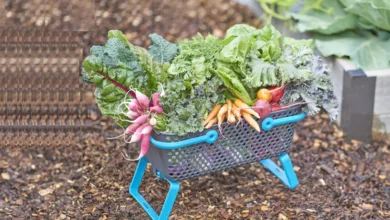
Once you have your list, start laying out your vegetable garden. Vegetables that produce the fruit we eat—like tomatoes, peppers, and squash—do best in full sun. Root crops, such as radishes and carrots, prefer full sun but tolerate some shade. Greens are the most shade-tolerant of the bunch.
Check spacing requirements for each vegetable as you plan. Seed packets, plant tags, gardening catalogs, and websites—including your local University Extension Service—can help. More compact varieties need less space than larger ones. Consider growing these if space is limited or when gardening in containers or elevated planters. Raised beds are another excellent option, especially if bending and kneeling aren’t as easy as they used to be.
For a deeper dive into planning and planting, Dotty Woodson’s successful vegetable gardening tips are a great place to start.
If you’re feeling stuck, check out one of the many preplanned gardens available online. You may not find exactly what you’re looking for, but adapting an existing plan is often easier than starting from scratch.
Maximize your harvest without expanding your garden
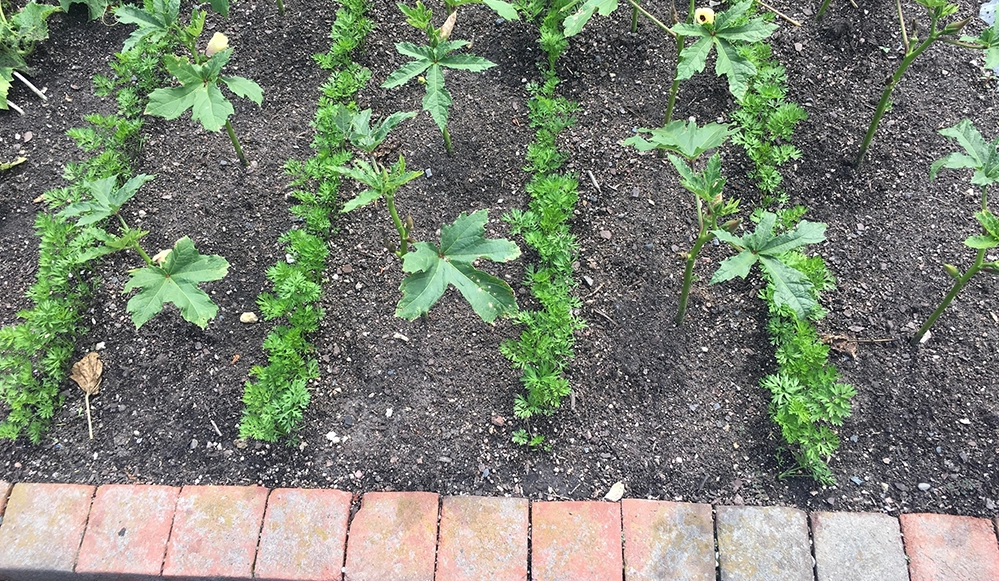
You don’t need more space—you need smarter techniques. Grow vegetables in wide rows, giving plants just enough room to reach full size while keeping all parts accessible from surrounding pathways.
Plant short-season vegetables, such as lettuce, radishes, and beets, between plants that need more space, such as tomatoes and peppers. You’ll harvest the quick-maturing crops by the time the larger plants need the space.
Train vining crops—cucumbers, squash, and melons—on a support. You’ll save garden space, reduce the risk of disease, and make harvesting much easier. For heavier fruits like squash and melons, create a sling from cloth or macramé and attach it to the support to prevent the vines from breaking under the weight.
You don’t need a big yard to grow big flavor
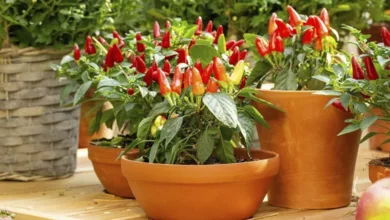
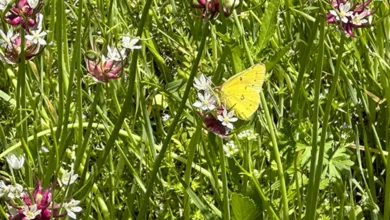
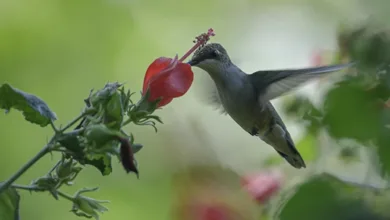
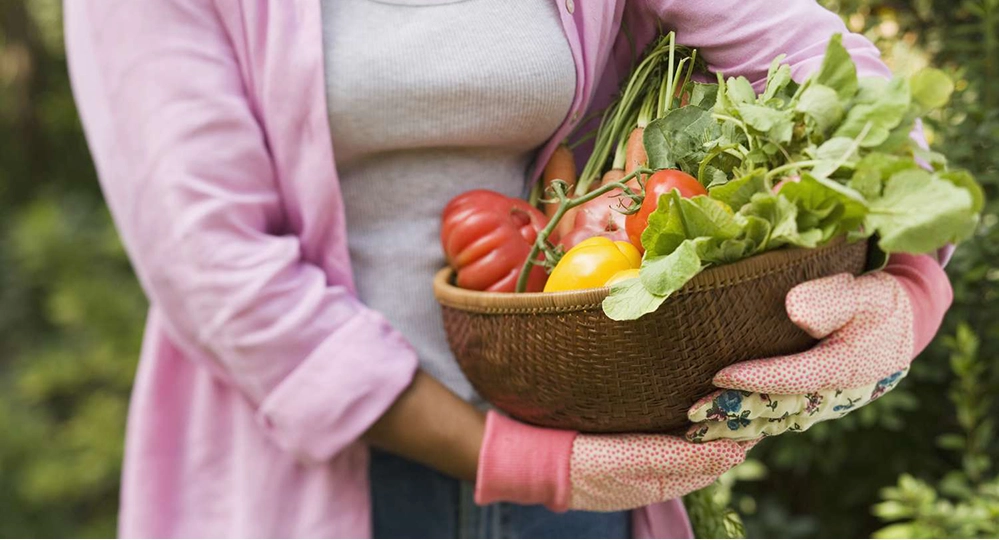
No yard? No problem. Containers on a patio, balcony, or front step can produce a surprising amount of food. Tomatoes, peppers, herbs, and lettuce all thrive in pots. Elevated planters bring the garden to a comfortable height—no bending required. If you’re new to this approach, see our guide to growing vegetables and citrus trees in containers. And while you’re at it, consider adding a few pollinator-friendly flowers nearby—they’ll help your vegetables produce more and look beautiful doing it.
Tap into the gardening community
Gardeners are among the most generous people you’ll meet—willing to share knowledge, tools, seeds, and transplants. Talk with gardening friends and family. Join a local garden club or community garden. The advice you get from someone who’s been growing in your area for years is worth more than any book.
Want to learn more? Join Melinda’s free webinar, Getting Started: Growing Vegetable and Flower Gardens, on March 26, 2026, at 6:30 PM CT. Register at MelindaMyers.com.
Starting your vegetable garden: questions answered
What vegetables are easiest for beginners to grow?
Lettuce, radishes, tomatoes, zucchini, and herbs like basil and parsley are forgiving and rewarding for first-time gardeners. They don’t need much fussing, produce quickly, and give you a confidence boost for next season.
Can I grow vegetables in containers or on a balcony?
Absolutely. Tomatoes, peppers, herbs, lettuce, and even strawberries do well in containers. Use pots with good drainage and quality potting mix. Elevated planters are especially practical for anyone who finds bending or kneeling difficult, bringing the garden to you instead of the other way around.
How much money can I really save growing my own vegetables?
It depends on what you grow and how much you harvest, but a single tomato plant can yield eight or more pounds of tomatoes for the cost of a few dollars. Leafy greens, herbs, and peppers also offer a strong return. The savings add up quickly—especially on organic produce, which carries a significant premium at the grocery store.
When should I start planting my vegetable garden?
Timing depends on your region and the vegetables you want to grow. Cool-season crops like lettuce and peas can go in early spring, while warm-season vegetables like tomatoes and peppers should wait until after the last frost. Your local University Extension Service is the best resource for planting dates specific to your area.
You just read one of our favorite stories. There’s more where this came from — subscribe, and we’ll bring them to you every Tuesday.