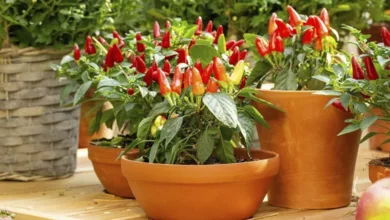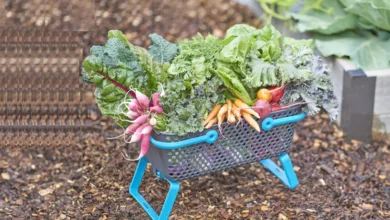
If bending, kneeling, and crouching have turned gardening from a joy into a chore, it might be time to raise your expectations — literally. Elevated and raised bed gardens are one of the smartest moves you can make to keep growing the flowers, herbs, and vegetables you love without punishing your back, knees, or joints in the process.
Whether you’re brand new to raised bed gardening or looking for tips to improve what you’ve already built, there’s an option that fits your space and your body — from a sprawling backyard to a small balcony with good light.
What’s the difference between elevated and raised garden beds?
They sound similar, but they serve different needs.
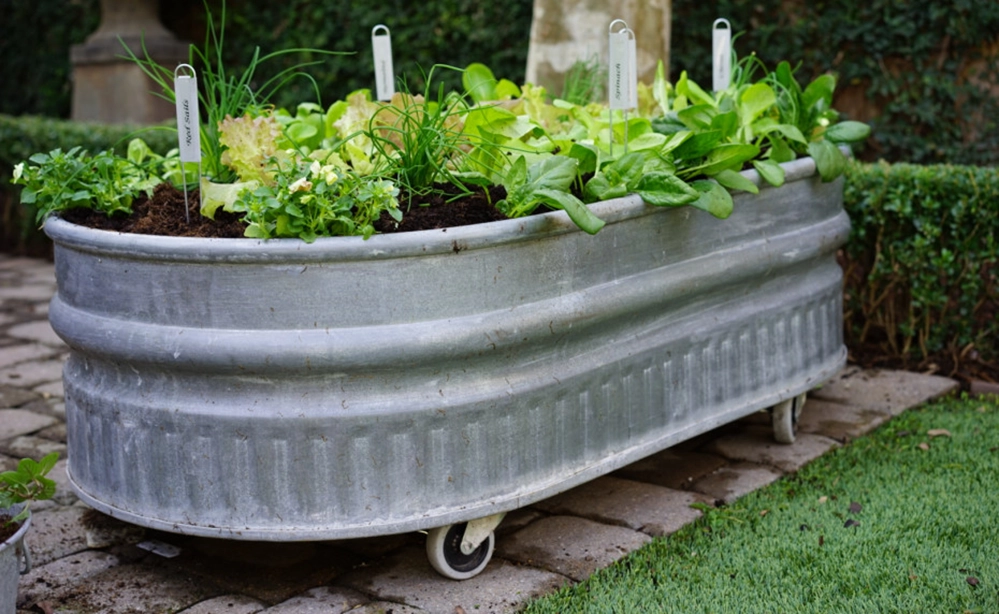
Elevated garden beds are essentially containers on legs — think of a deep planter box set at waist or table height. They come in wood, metal, galvanized steel, and recycled plastic, and are ideal for patios, decks, and balconies. Some come with wheels so you can roll them into the sun, tuck them into shade during a heat wave, or move them aside when entertaining. You can find plans to build your own or buy one from your local garden center or garden supply retailer.
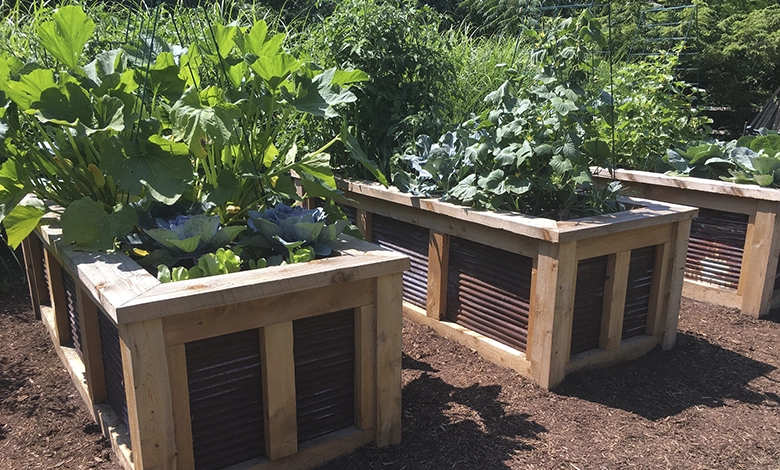
Raised bed gardens sit directly on the ground but elevate your planting surface above grade. They’re built from materials such as interlocking blocks, fieldstone, plastic lumber, or naturally long-lasting wood, and they expand your planting space on or near your patio, along a fence line, or in any underused corner of your yard.
Both elevated garden beds and raised beds let you plant, weed, and harvest with minimal bending — or even from the comfort of a chair or bench.
How to choose the right raised bed for your space
Before you buy or build, ask a few practical questions to save time, money, and frustration. If you’re still exploring raised garden bed ideas, start with what matters most: access, height, and mobility.
Think about your access needs. A three- to four-foot width makes it easy to reach every part of the garden for planting, weeding, and harvesting without stepping into the bed. Choose a design with corners or edges suited for sitting, or pair narrower beds with a garden bench for easy access from either side.
Think about height. Raising your planting bed by at least 8 to 12 inches improves drainage and gives most plants enough room to root and grow. If you want to minimize bending altogether, go higher — 24 to 30 inches puts you within comfortable reach while standing.
Weigh mobility issues. Elevated beds on wheels are a game-changer if your sunlight shifts throughout the day or if you garden on a shared patio. Just be aware: once filled with soil, even a small bed gets heavy. Set stationary beds in place before filling them.
Check your balcony’s weight limits. If you’re gardening above ground level, confirm your balcony or deck can handle the weight of a fully loaded bed — moist soil and mature plants add up quickly.
Setting up your raised bed garden for success
Once you’ve chosen your bed style and location, a few smart setup steps can make a big difference in how well your garden performs season after season.
Line the bottom with hardware cloth. This reduces the risk of animals burrowing up into your garden from below. Lay the hardware cloth over the ground and bend it up along the inside walls. If you’re placing a raised bed on a patio, add a liner of landscape fabric inside to keep soil from washing through.
Start with the right soil for your raised-bed garden. This is where your plants either thrive or struggle. Use a quality planting mix designed for containers or raised beds — not dirt scooped from your yard. Look for bags labeled ‘raised bed mix’ or ‘container mix’ at your local garden center — they’re formulated for drainage and root growth. Calculate the volume you’ll need with a free online soil calculator.
Plan for watering from the start. This is where many raised-bed gardeners get tripped up. The limited soil volume and greater exposure to wind, heat, and sunlight mean raised beds dry out much faster than in-ground gardens. Check soil moisture regularly — sticking your finger an inch into the soil is a reliable low-tech method.
To reduce watering frequency, consider adding organic soil amendments such as wool pellets when planting. Research shows that wool-based amendments can reduce watering needs by up to 25% while improving soil aeration for better root growth. A small amount goes a long way — roughly one pound covers about 30 square feet when added at planting time. Choosing the right raised-bed garden soil and amendments upfront saves you hours of watering later.
What should you plant in a raised bed garden?
The beauty of raised beds is that you control the soil, drainage, and height, which expands your plant options considerably. This is one of the most rewarding raised bed gardening tips to remember: you’re not limited by your native soil.
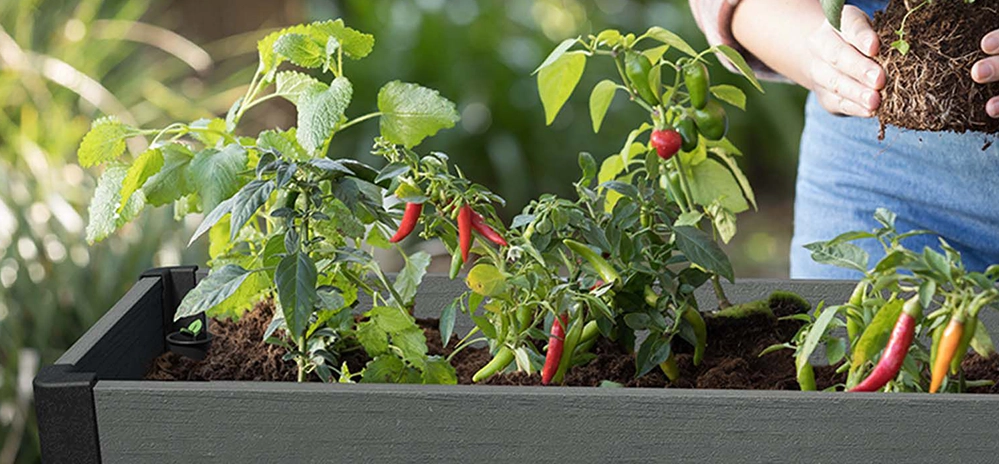
Vegetables: Tomatoes, peppers, lettuce, kale, herbs, beans, and root vegetables such as carrots and radishes all thrive in raised beds with well-drained soil.
Flowers and pollinator plants: Marigolds, zinnias, lavender, and native wildflowers add beauty and attract beneficial insects that enhance your harvest.
Compact fruit: Strawberries, dwarf blueberry bushes, and even small citrus varieties (in warmer climates) thrive in deeper raised beds.
Match your plants to your light conditions — most vegetables and flowers need at least six hours of direct sun — and you’ll be harvesting in no time. For more raised garden bed ideas on what to grow in small spaces, check out a planting guide tailored to your USDA hardiness zone.
Quick-start checklist for your first raised bed garden
Ready to dig in? These raised bed gardening tips boil down to a simple roadmap:
- Choose your bed style — elevated (on legs) or raised (on the ground)
- Select a sunny location with at least six hours of direct light
- Build or buy a bed that’s three to four feet wide for easy reach
- Line the bottom with hardware cloth (for raised beds on soil) or landscape fabric (for beds on patios)
- Fill with quality planting mix — not garden soil
- Amend soil to retain moisture (wool pellets, compost, or coconut coir)
- Plant according to your climate zone and light conditions
- Water consistently and check moisture daily in warm months

Your raised bed garden questions, answered.
How deep should a raised-bed garden be?
A minimum of 8 to 12 inches provides sufficient space for most vegetables, herbs, and flowers to root properly. For deep-rooting crops such as tomatoes and carrots, 18 to 24 inches is ideal.
What’s the best material for a raised bed garden?
Cedar and redwood are popular choices because they’re naturally rot-resistant without chemical treatment. Galvanized steel and corrugated metal are durable and modern-looking. Interlocking blocks and fieldstone work well for permanent installations. Avoid pressure-treated lumber if you’re growing edibles, as older formulations may contain chemicals that leach into soil.
Do raised beds need drainage holes?
Raised beds sitting on soil drain naturally through the bottom. Elevated garden beds and those on patios should have drainage holes to prevent waterlogging, which can rot roots and invite disease.
How often should I water a raised bed garden?
More often than you think. Raised beds dry out faster than in-ground gardens because of greater exposure to sun and wind. During warm months, daily watering may be necessary. Organic soil amendments and mulch can significantly reduce the need for watering.
What is the best soil for a raised bed garden?
A mix of topsoil, compost, and a lightweight amendment such as perlite or vermiculite creates well-drained, nutrient-rich soil. Avoid using soil from your yard, as it may be compacted or nutrient-poor. Your local university extension service can test your soil and recommend the right amendments.
Can I garden in a raised bed on my apartment balcony?
Yes — elevated garden beds are designed for small spaces like balconies and patios. Check your building’s weight restrictions first, then choose a bed on wheels for easy repositioning.
Once you start gardening with raised beds, your back will thank you, and your garden, patio, or balcony space will, too. Plant a few blooms for the bees and butterflies and you’ll be doing even more good.
You just read one of our favorite stories. There’s more where this came from — subscribe, and we’ll bring them to you every Tuesday.