Sex in the Garden: How Pollination Works and Why Your Pollinator Plants Need It | A Pollinator’s Dream
Originally published March 2023 | Updated February 2026

Do you know what’s really going on in most gardens? Pollination. The flowers are having an orgy.
Like all living things, plants’ primary purpose is to reproduce. They do so by producing flowers containing the plant’s sex organs. If you’ve ever wondered how pollination works, the answer is surprisingly intimate — and understanding the process can make you a better, more intentional gardener.
How does pollination actually work?
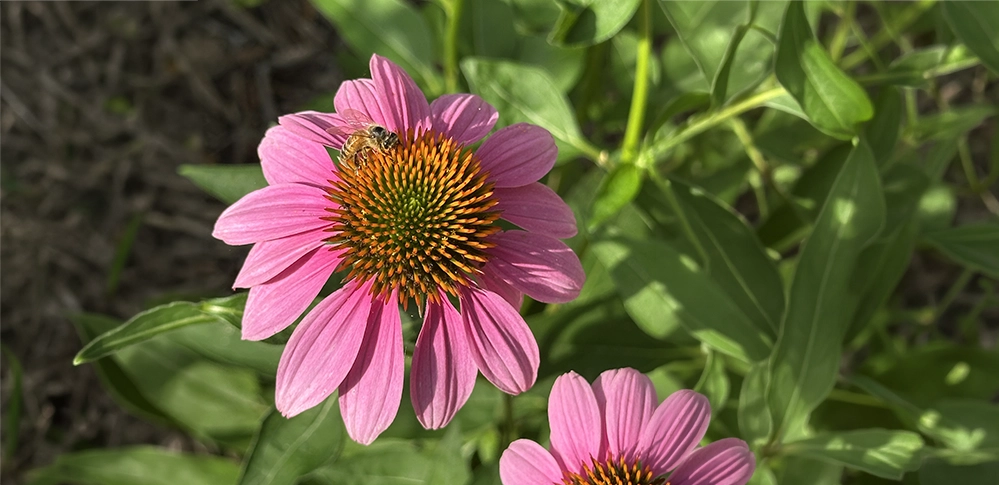
At least 85% of flowers need animal sexual aids to help them reproduce, and more than 200 species of animals (yes, insects are animals) serve as pollinators when they transport pollen between plants of the same species. Humans and other mammals can help, but the most frequent pollinators are insects, bats, and birds. And they all do it without even knowing they’re helping the plants.
Pollination is like conception. It occurs when the pollen (sperm) penetrates the stigma (female organ) and germinates in the ovary. Many plants have flowers with both male (anthers and pollen) and female (stigmas and ovaries) organs. Some even have separate male and female flowers on the same plant.
Most plants prefer to be pollinated by another plant of the same species and have evolved ways to prevent self-pollination, such as having their sex organs active at different times. The stigma can even detect whether a grain of pollen is from its own plant or a neighbor, and gives priority to the “foreign” pollen.
Once pollination has occurred, the flower can wilt because it has accomplished its goal. At this point, the spent blossom can be deadheaded by pinching or cutting it off. This process prompts the plant to produce another flower and try again. Many gardeners deadhead to keep plants blooming longer and more profusely. Understanding how pollination works helps you see why this simple technique is so effective.
How do flowers attract pollinators to your garden?
The plant world is full of competition, so flowers evolved to attract the pollinators they need. They do this with shape, scent, color, and food — and building a thriving pollinator garden starts with understanding these signals.
Shape and access
The more open a flower is, the easier it is for pollinators to land on it. Flowers with clusters of small blooms are also easy landing pads. Tubular flowers attract long-tongued pollinators, such as hummingbirds and butterflies, that can reach deep into the flowers for nectar.
Scent
Flowers produce scent only when needed to attract pollinators, since producing aroma requires enormous energy. Some of the most fragrant flowers are night-bloomers, emitting powerful scents to attract nocturnal pollinators such as moths and bats. Hybrid plants developed by human manipulation to be more aromatic, colorful, and compact are often reproduced through cuttings rather than seeds — because they may not produce pollen and nectar.
Color — and the flowers that attract bees, butterflies, and hummingbirds
Different pollinator species see distinct parts of the color spectrum, and scientists believe their sight evolved to detect the colors that signal the best food source for each species.
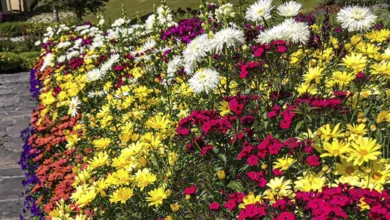
Bees see yellow, white, blue, purple, and ultraviolet. If you’re choosing flowers to attract bees, these are your colors.
Hummingbirds see the red spectrum best, which is why hummingbird feeders are usually red.
Nocturnal pollinators, such as moths and bats, seek out white or light-colored flowers that are more visible in the dark.
Some flowers also have spots or grooves called nectar guides that help pollinators locate the hidden sex organs. The yellow centers of pansies serve this purpose, as do the spots on foxgloves. Some flowers also change color after pollination — multi-colored lantanas bloom yellow in the center first, then shift to pink, orange, or red once they no longer need a pollinator’s visit.
Food
The food that flowers offer is nectar and pollen. Many pollinators drink the nectar and eat the pollen for nourishment; some carry it back to their hive or nest to feed their young. Nectar is a sugary liquid that provides energy, and pollen is a protein. Some flowers offer only one or the other, but most offer both. The nectar is often positioned so that pollen rubs off when the insect, bird, or bat is drinking — and can then be carried to the next plant to rub off on that stigma.

Seven of the best pollinator plants for your garden
Here are Texas natives and near-natives, but many also thrive throughout the southern half of the U.S. Check your USDA hardiness zone before planting. These pollinator plants are tough, beautiful, and beloved by bees, butterflies, and hummingbirds.
Fall Aster.
A late-season bloomer that provides critical food for pollinators when many other flowers have faded. Bees and butterflies rely on asters through the final weeks of fall.
Flame Acanthus.
A heat-loving native with tubular red-orange flowers that hummingbirds can’t resist. Thrives in full sun with little water — a true Texas-tough plant.
Frostweed.
Like Red Bull for butterflies. This native wildflower produces clusters of white blooms that attract large numbers of migrating monarchs and other butterflies in the fall.
Gregg’s Mistflower.
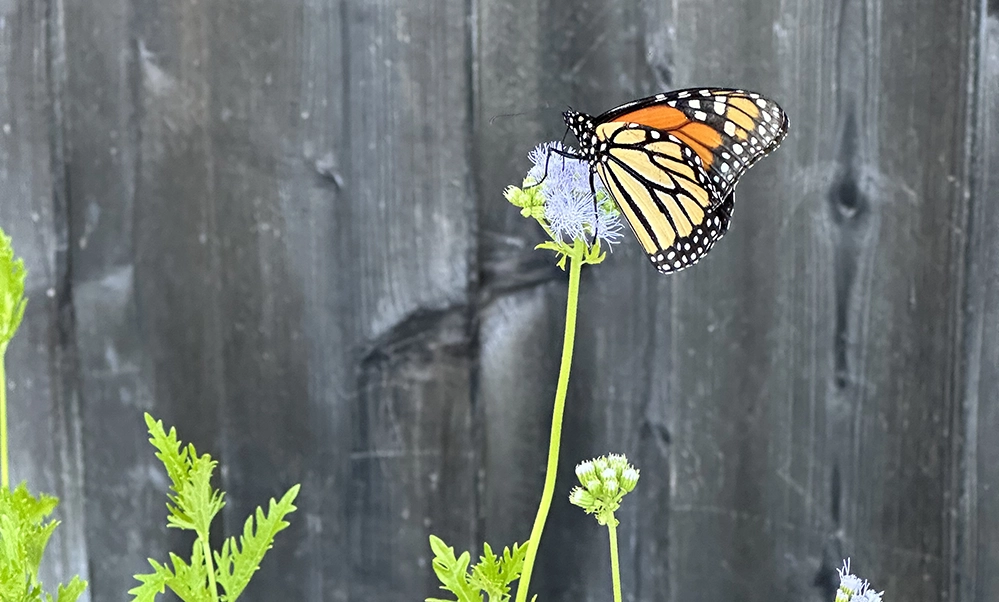
Like Viagra for male butterflies — seriously. Male queen butterflies visit this plant to gather the chemical compounds they need for mating. The blue-purple blooms also attract dozens of other butterfly species.
Salvia and Sage.
One of the most reliable pollinator plants you can grow. Available in dozens of varieties from compact to towering, salvias bloom for months and attract bees, butterflies, and hummingbirds.
Turk’s Cap.
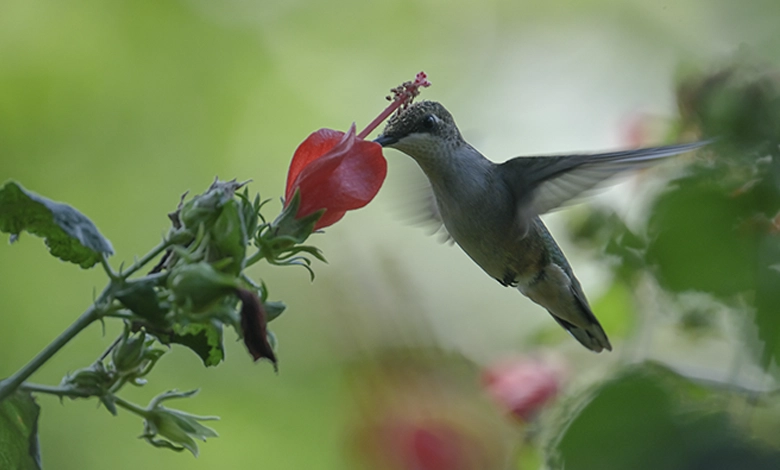
The hummingbird is the sole pollinator of Turk’s Cap — the flower’s pollen rubs off on the bird’s forehead, allowing it to carry it to the next bloom. This shade-tolerant native is one of the few pollinator plants that thrive without full sun.
Why pollinators need your help
Plants and pollinators need each other to survive — and so do we. About a third of our food depends on pollinators. Pollinator populations have declined significantly in recent years, mainly due to habitat loss, pesticide use, and climate change. Every pollinator garden, even a small one on a patio or balcony, helps reverse that trend. For regional native plant recommendations, visit the Xerces Society pollinator plant lists.
Be kind to your pollinators: use pesticides only when absolutely necessary, plant native species when possible, and keep something blooming from early spring through late fall. The U.S. Fish & Wildlife Service offers a guide to choosing the right plants for your region. Your garden, your dinner plate, and those essential pollinators will all benefit.

Your pollinator garden questions, answered
What is a pollinator, and why are pollinators important?
A pollinator is any animal that transfers pollen from one flower to another, enabling plants to reproduce. Bees, butterflies, hummingbirds, moths, and bats are all pollinators. They’re essential because roughly one-third of the food we eat — from apples to almonds to coffee — depends on their pollination.
What are the best pollinator plants for beginners?
Salvia, lavender, coneflower (echinacea), and black-eyed Susans are among the easiest pollinator-friendly plants to grow. They’re low-maintenance, drought-tolerant once established, and bloom for extended periods. For Texas and the southern U.S., add flame acanthus and Turk’s cap to the list.
Which flowers that attract bees should I plant first?
Bees prefer yellow, white, blue, and purple flowers with open or clustered blooms that are easy to land on. Lavender, salvia, sunflowers, and asters are excellent starter choices. Plant varieties with staggered bloom times so bees always have a food source in your pollinator garden.
Do I need a big yard to start a pollinator garden?
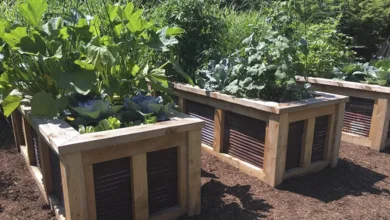
Not at all. Even a few pots on a balcony or a small, raised bed can support pollinators. Choose plants with varied bloom times and colors to attract a variety of species. A container garden with salvia, basil (let it bloom), and a pot of zinnias makes a perfectly effective mini pollinator garden.
Why should I stop deadheading some of my flowers?
While deadheading encourages more blooms, leaving some spent flowers allows the plant to produce seeds, which become food for birds. It’s a balance: deadhead during peak season to extend blooming, then let some go to seed in late fall to support the broader ecosystem.
Are hybrid flowers good for pollinators?
Not always. Many hybrid plants have been bred for appearance rather than for nectar and pollen production. Some double-petaled hybrids make it physically difficult for bees to reach the flower. When in doubt, choose native or heirloom varieties — they’re the ones pollinators evolved with.
You just read one of our favorite stories. There’s more where this came from — subscribe, and we’ll bring them to you every Tuesday.