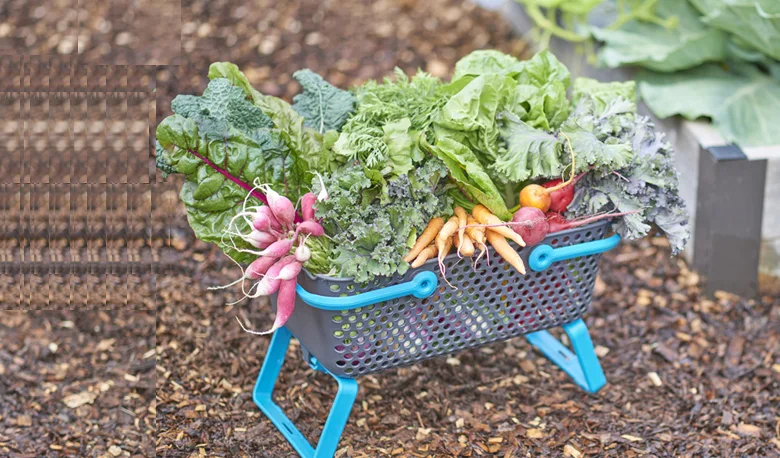
You’ve spent the summer weeding, watering, and tending your garden. Now the harvest is here. Here’s how to make every tomato, pepper, and head of lettuce worth the effort.
All that time in the garden has paid off with a bountiful harvest. Now comes the part many gardeners overlook: keeping vegetables fresh long enough to enjoy them. How you pick, handle, and store your produce makes the difference between peak flavor and a compost pile of good intentions.
For the best flavor and nutrition, prepare and serve vegetables the same day you pick them. But real life rarely cooperates. Most of us are busy, and there’s always more coming out of the garden than we can eat in one sitting. The extras need to be shared, preserved, or stored — and a few simple habits will help you get the most from every harvest. If you’re still in the planning stages, our guide to starting your own vegetable garden can help you get growing.
How to harvest vegetables for maximum freshness
How you harvest vegetables matters more than most people realize. Nicking, breaking, and bruising produce during picking shorten storage life and reduce quality. Handle everything gently — treat your tomatoes like eggs and your greens like flowers.
Harvest leafy crops like lettuce, kale, and collards last. They wilt quickly after picking, and with the wilting goes the ascorbic acid (Vitamin C). Pick them just before you head inside.
When to wash your garden vegetables
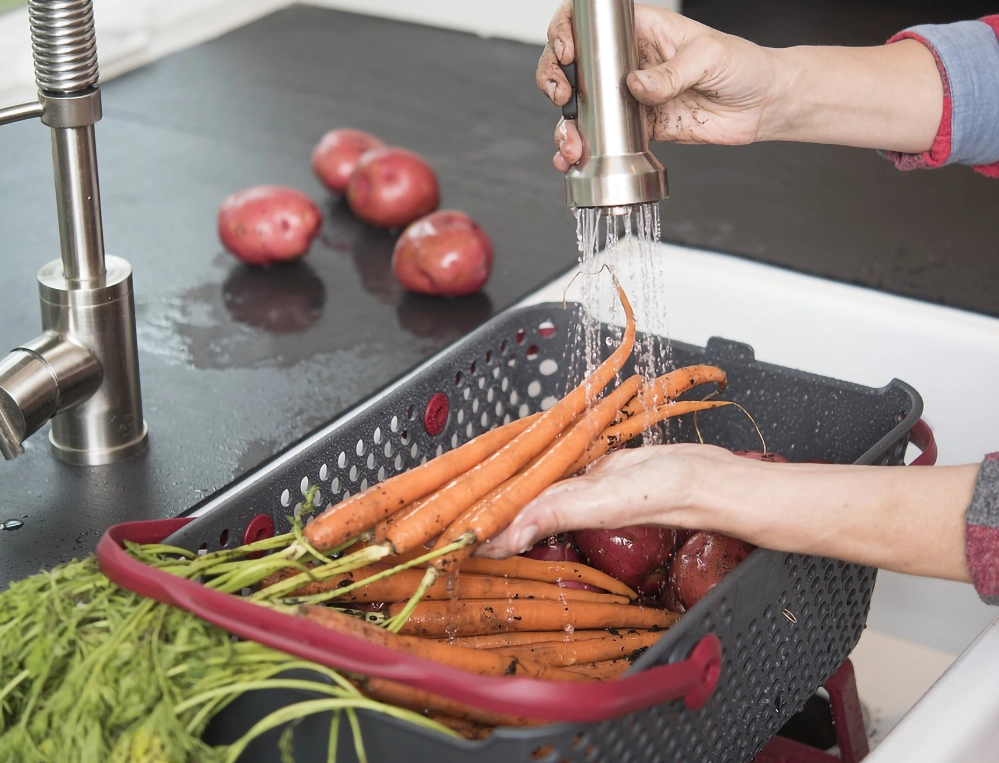
Vegetables you plan to prepare right away should be cleaned outdoors, if possible. You’ll keep garden soil out of the kitchen sink and in the garden where it belongs. An open-weave harvest basket works well — rinse off the soil with a hose, let the water drain, and carry your clean vegetables inside.
Before you start slicing and dicing, clean your counters and cutting boards. Trim stems, remove damaged leaves, and toss the scraps into your compost or worm bin. They’ll have a second life as next year’s garden compost.
Here’s an important rule: wait to wash, trim, and cut vegetables you plan to store or prepare later. Scraping, cutting, and slicing increase vitamin and flavor loss and reduce storage quality. Keep them whole until you’re ready to use them.

How to store homegrown vegetables
Not all vegetables require the same conditions. Matching your produce to its preferred storage environment is key to keeping vegetables fresh as long as possible.
Root crops such as beets, turnips, and radishes — along with cabbage and Brussels sprouts — prefer cold, moist conditions. A spare refrigerator works well. In colder climates, you can store carrots and parsnips directly in the garden through winter. Once the soil freezes, cover it with straw or evergreen boughs to make digging easier. Harvest as needed or pull them during the first winter thaw.
Potatoes need a cool, humid, and dark location — a basement corner is ideal. No basement? A closet, pantry, or cabinet away from heat and light works too. Sunlight causes exposed areas to develop green chlorophyll and solanine, a compound that gives potatoes a bitter taste and can cause digestive problems if consumed in large amounts. Simply cut away any green spots before cooking.
Winter squash prefers cool conditions with slightly lower humidity. When properly harvested and stored, varieties such as butternut and acorn can last for four months or more.
Make your harvest last
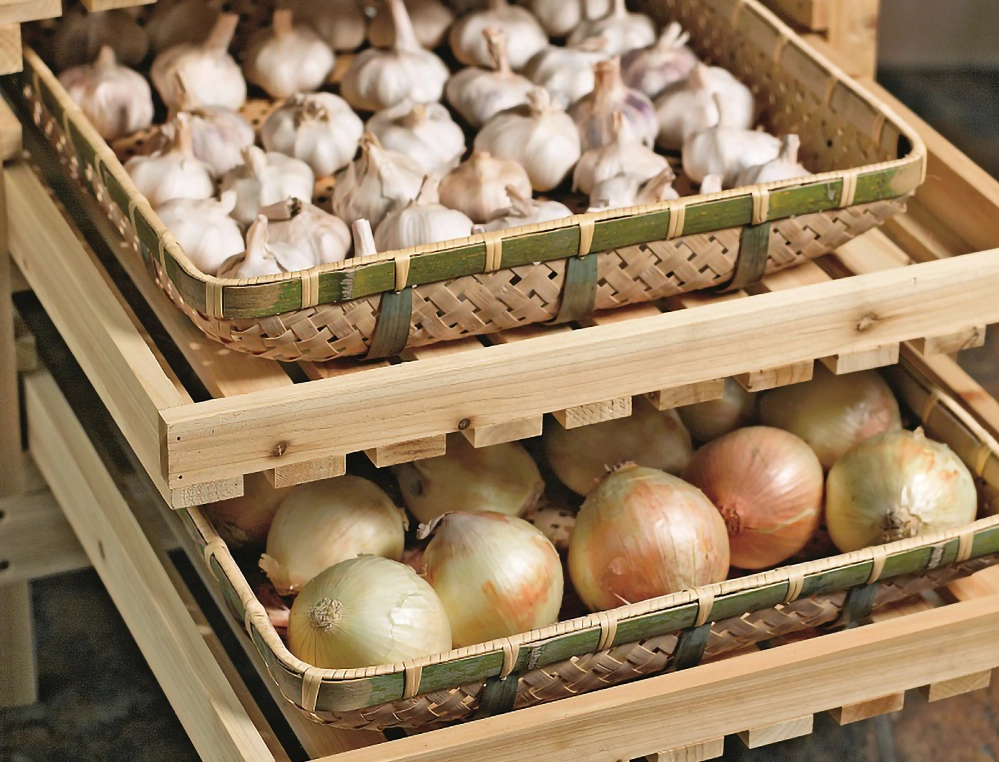
Slatted crates, orchard racks, and other vegetable storage solutions from sources like Gardener’s Supply Company help you organize your harvest and extend its life. The slatted sides allow airflow, which prevents moisture buildup and rot. Keeping fruits and vegetables separated is important, too — a spoiled tomato can quickly take down its neighbors.
A few simple changes in how you handle your harvest will improve its storage life, flavor, and nutritional quality. Better quality means less waste, more meals, and more to share with family and neighbors. For more on getting the most out of your garden, check out Dotty Woodson’s successful vegetable gardening tips.

Keeping vegetables fresh: your questions answered
Should I wash vegetables before storing them?
No. Washing vegetables before storage adds moisture, which promotes mold and speeds up decay. Keep them unwashed and whole until you’re ready to prepare them. The exception: if they’re caked in mud, a gentle brushing is fine— but avoid using water.
How long do homegrown vegetables last in the fridge?
It depends on the vegetable. Leafy greens like lettuce and kale last about a week. Root vegetables such as carrots, beets, and radishes can last two to three weeks in the crisper drawer. Tomatoes are best kept at room temperature and eaten within a few days of picking. The fresher they are when you pick them, the longer they’ll last.
Can I freeze fresh vegetables from the garden?
Yes, but most vegetables benefit from blanching first — a quick dip in boiling water followed by an ice bath. Blanching stops enzyme activity that causes loss of flavor, color, and nutrients during freezing. Beans, peas, corn, squash, and greens all freeze well. Tomatoes can be frozen raw for use in cooked dishes later.
Why do my stored potatoes turn green?
Exposure to light triggers the production of chlorophyll (the green color) and solanine, a naturally occurring compound that tastes bitter and can cause stomach upset. Store potatoes in a cool, dark place and cut away any green spots before cooking. They’re perfectly safe to eat once the green is removed.
Getting ready to plant your first spring seeds? Remember this: grow it, pick it right, store it well, and enjoy every bite. Your family and friends will be in awe of your harvest. That’s the real reward of a garden.
You just read one of our favorite stories. There’s more where this came from — subscribe, and we’ll bring them to you every Tuesday.