Mary Pickford: America’s Sweetheart and Hollywood’s First Power Player
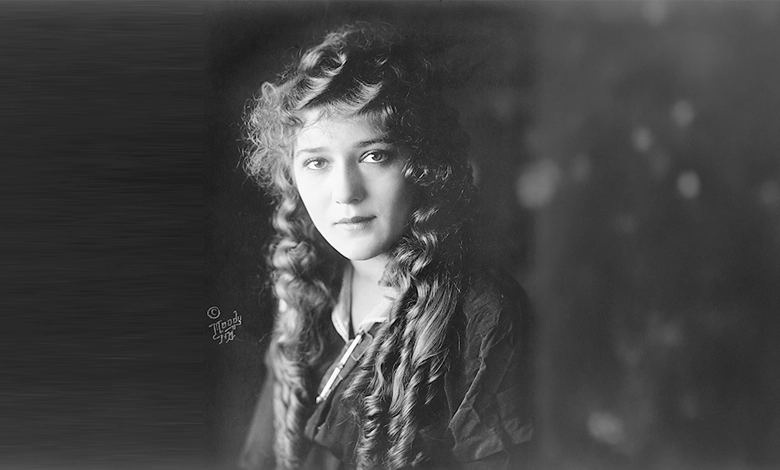
Historical images: Wikimedia Commons / Public Domain
Mary Pickford didn’t begin life as America’s Sweetheart.
She began as Gladys Louise Smith, born in Toronto in 1892 — a child who, by all accounts, didn’t just enjoy performing. She insisted on it. Long before Hollywood understood what it was building, she was already shaping what stardom would look like.
From child performer to silent film phenomenon
Pickford entered motion pictures in 1909 with D.W. Griffith’s Biograph Co., at a time when film actors weren’t even credited by name. Most performers came and went anonymously. Pickford didn’t.
Audiences noticed her immediately — not because she was larger than life, but because she wasn’t. She played characters who felt real, emotionally immediate, and unmistakably human in a medium still learning how to communicate without sound.
Film historian Kevin Brownlow later summed up her significance this way: “Mary Pickford was the first modern celebrity, created entirely through motion pictures.”
By the mid-1910s, she was one of the most recognizable figures in the world. Films like Tess of the Storm Country (1914), The Poor Little Rich Girl (1917), and Pollyanna (1920) turned her into a cultural constant — a screen presence audiences felt they already knew.
The making of “America’s Sweetheart.”
As her popularity grew, so did the industry around her. Early film publicity leaned heavily into her image as wholesome, resilient, and emotionally expressive — a kind of moral center in a rapidly expanding entertainment business.
Trade and fan publications of the era frequently emphasized the intensity of audience response to her films, noting packed theaters and repeat viewings. Photoplay magazine, one of the most influential film publications of the silent era, regularly placed Pickford at the center of Hollywood’s emotional connection with audiences.
What stands out historically is not just her popularity but her reliability. Studios came to depend on her name as a guarantee of audience turnout — a relatively new idea in early cinema.

A power shift that few saw coming
Pickford’s influence extended far beyond her performances. By the late 1910s, she was negotiating her own contracts and commanding unprecedented salaries, making her one of the first women in Hollywood to operate with real financial and creative leverage.
That leverage culminated in 1919 with the founding of United Artists alongside Charlie Chaplin, Douglas Fairbanks, and D.W. Griffith.
At the time, studios controlled nearly every aspect of filmmaking — production, distribution, and publicity. United Artists directly challenged that structure, by giving filmmakers ownership over their work and careers.
Contemporary industry reporting in publications such as Variety and Photoplay reflected the disruptive nature of this shift, particularly because it shifted creative control from studios to performers.
Pickford was no longer just a star within the system. She was helping to rebuild the system itself.
Hollywood’s first public power couple
Her marriage to Douglas Fairbanks in 1920 turned personal life into a public spectacle in a way Hollywood had never fully experienced before.
The two were treated as the embodiment of the industry’s glamour — appearing at premieres that drew massive crowds and generating press coverage that blurred the line between entertainment and society event.
Newspaper coverage from the period, including the Los Angeles Times, regularly documented the scale of public attention surrounding their appearances, often describing crowds that overwhelmed venues and spilled into surrounding streets.
They weren’t just actors anymore. They were a shared cultural reference point.
The craft behind the image
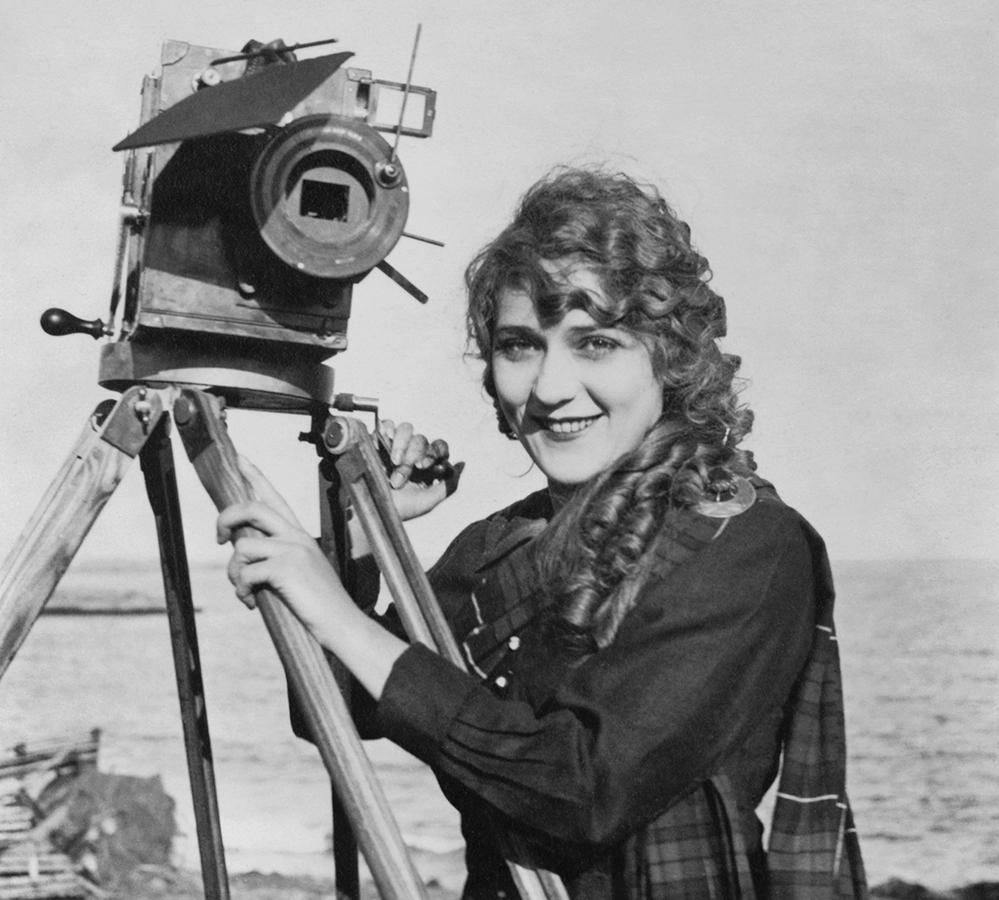
Despite the mythology that grew around her, colleagues consistently described Pickford in practical terms: disciplined, focused, and deeply aware of how performance worked on camera.
Director David Belasco, who worked with her early in her career, recalled her persistence and directness in pursuing opportunities rather than waiting for them to arrive.
What emerges from those accounts is less Hollywood magic and more professional clarity. She understood the camera not as decoration but as a precision instrument.
A San Francisco Chronicle review from the silent film era noted her ability to convey emotion with minimal gesture, emphasizing how effectively she communicated without dialogue — a defining skill in silent cinema.
The transition out of the spotlight
Pickford’s later career slowed with the arrival of sound films and a changing industry landscape. She retired from acting in the 1930s but remained active behind the scenes, continuing to shape film preservation and industry institutions.
She died on May 29, 1979, in Santa Monica at age 87 and was laid to rest at Forest Lawn Memorial Park in Glendale, Calif.
By then, Hollywood had transformed into a global industry. Yet, many of its foundational structures — star power, contract negotiation, and celebrity branding — had taken shape during the era she helped define.
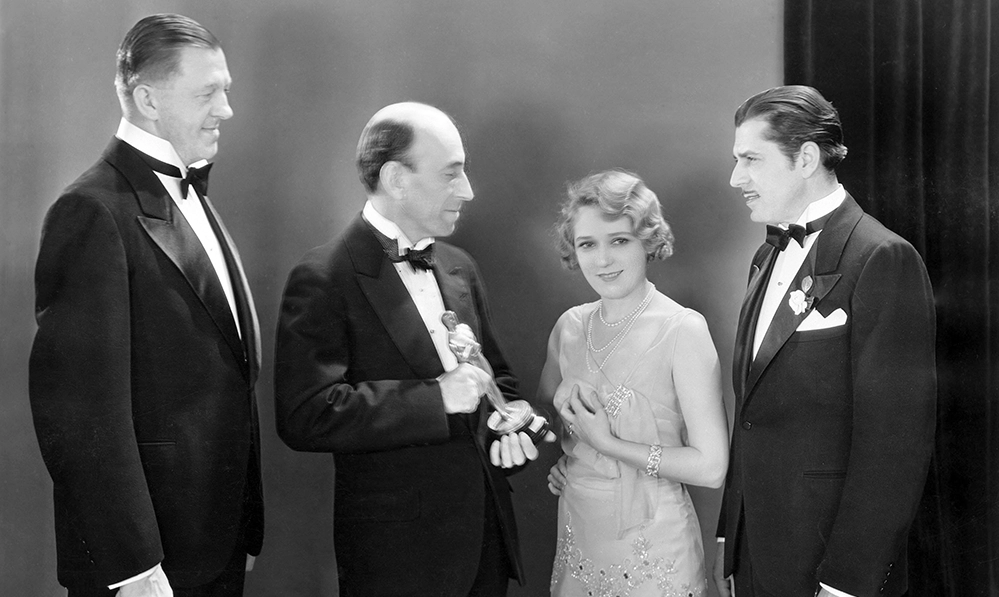
The Pickford Legacy
Pickford wasn’t just a beloved silent film actress. She was one of the first people to understand that film could create identity, not just record performance.
She didn’t simply rise within Hollywood.
She helped build what Hollywood became.
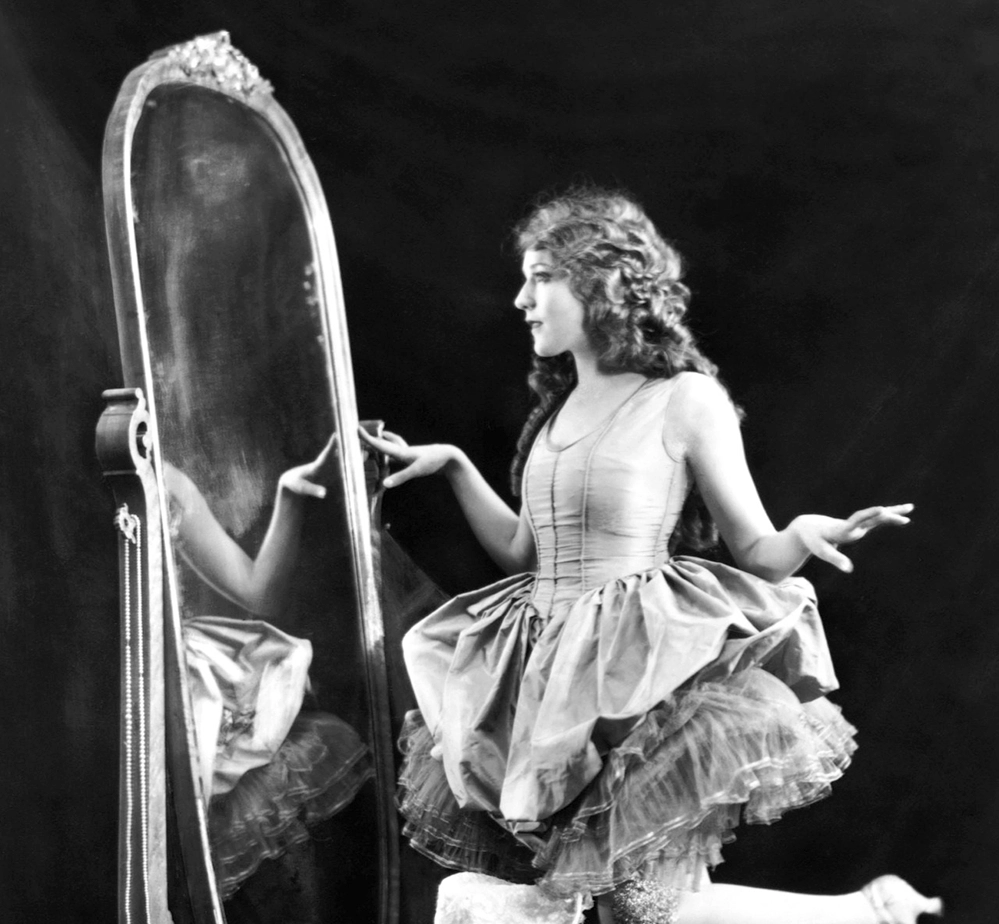
Frequently asked questions about Mary Pickford
Q: What is Mary Pickford known for?
Mary Pickford is known as “America’s Sweetheart” — the most famous silent film actress of her era. She was one of the first film stars to be recognized by name, one of the first women to negotiate her own Hollywood contracts, and a co-founder of United Artists. At the height of her career, she was one of the most famous and highest-paid women in the world.
Q: Who founded United Artists?
United Artists was founded in 1919 by Mary Pickford, Charlie Chaplin, Douglas Fairbanks, and D.W. Griffith. The studio was revolutionary — it gave filmmakers creative and financial ownership of their work at a time when studios controlled everything. Pickford was the driving force behind its creation.
Q: What else did Mary Pickford contribute beyond acting?
Pickford’s contributions extended far beyond the screen. She was one of the original founders of the Academy of Motion Picture Arts and Sciences. In 1932, before the Screen Actors Guild was formed, she spearheaded the Payroll Pledge Program — a groundbreaking initiative that protected struggling actors during the Depression by deducting a small percentage of salaries and directing those funds to a relief fund. She helped build the industry’s safety net, not just its star system.
Mary Pickford lived 87 years and spent most of them reshaping what was possible — for women, for artists, and for an industry that barely existed when she arrived. That’s not just a Hollywood story. That’s a 50+ story before anyone had a name for it.
You just read one of our favorite stories. There’s more where this came from — subscribe, and we’ll bring them to you every Tuesday.