
Beyond Ricky Ricardo: How Desi Arnaz found his true paradise in Del Mar
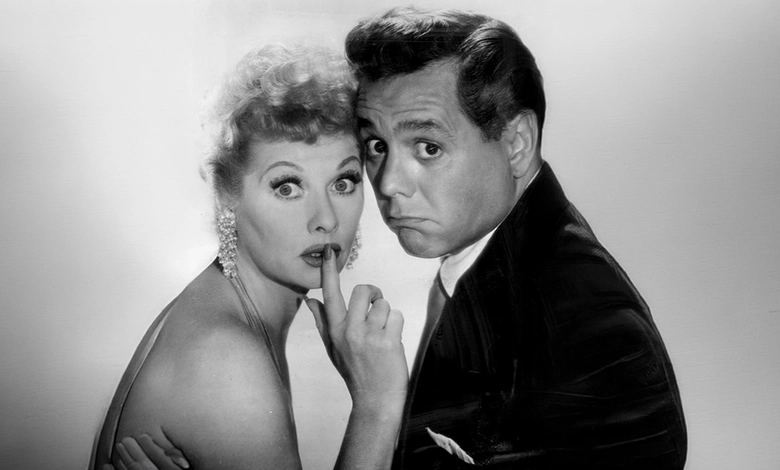
He was the man who made America laugh, cry, and beg Lucy to stay out of trouble. But when the studio lights dimmed and the applause faded, Desi Arnaz didn’t retreat to the Hollywood Hills. Instead, he drove south to a sun-drenched stretch of California coast called Del Mar, where horses ran free, the Pacific shimmered at sunset, and no one expected him to be Ricky Ricardo.
This is the story of that other Desi — the one who bred thoroughbreds, enjoyed the salty air, and discovered something surprisingly close to peace.
Del Mar stole his heart
Long before Del Mar became known for boutique hotels and artisan coffee, it was a summer playground for Hollywood royalty — and Desi Arnaz was one of its most devoted regulars. He first discovered the seaside enclave in the 1940s, drawn by the thunder of hoofbeats at the Del Mar Thoroughbred Club. The racetrack was co-founded by Bing Crosby, and its grandstands glittered with movie stars. But for Arnaz, the appeal ran deeper than celebrity socializing.
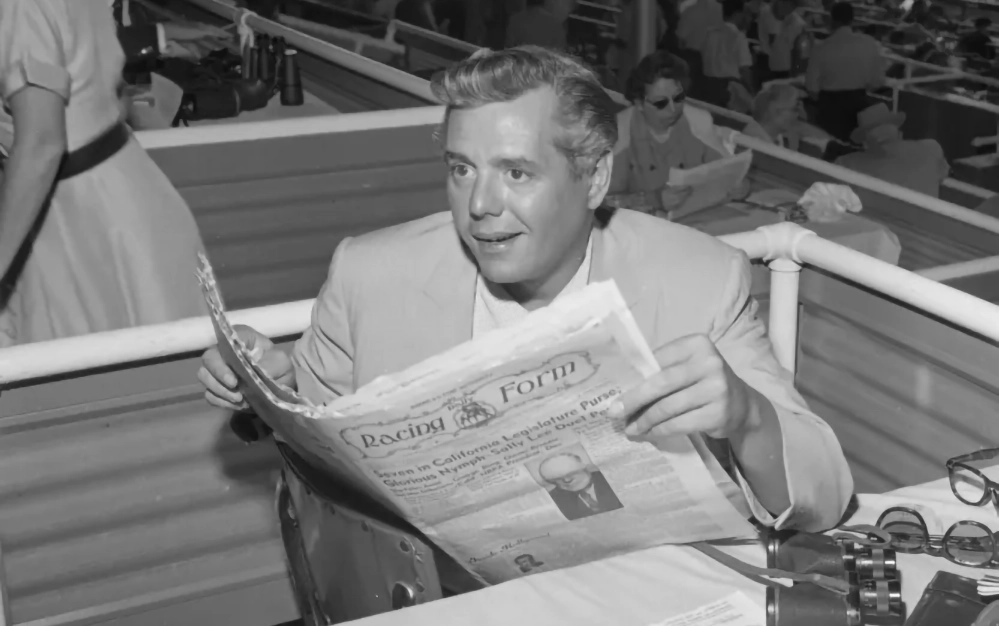
He invested seriously in the sport — buying, selling, and breeding thoroughbreds, studying racing forms with the same intensity he brought to a musical arrangement. Mac McBride of the Del Mar Thoroughbred Club remembered seeing Arnaz around the Turf Club, always in motion, always engaged: buying or selling horses he had bred, fully alive in the excitement of race day.
Photographs from the era capture him alongside Lucille Ball, laughing in the grandstands, studying the odds, mingling with fellow stars. Their presence elevated Del Mar’s allure — a coastal crossroads where entertainment, sport, and California sunshine converged. For Arnaz, it was simply home.
The road to television history
Arnaz’s journey to becoming a major TV star began on a film lot in 1940 when he met a fiery redhead named Lucille Ball while filming Too Many Girls at RKO. They married later that year, and what followed was one of the most iconic creative partnerships in entertainment history.
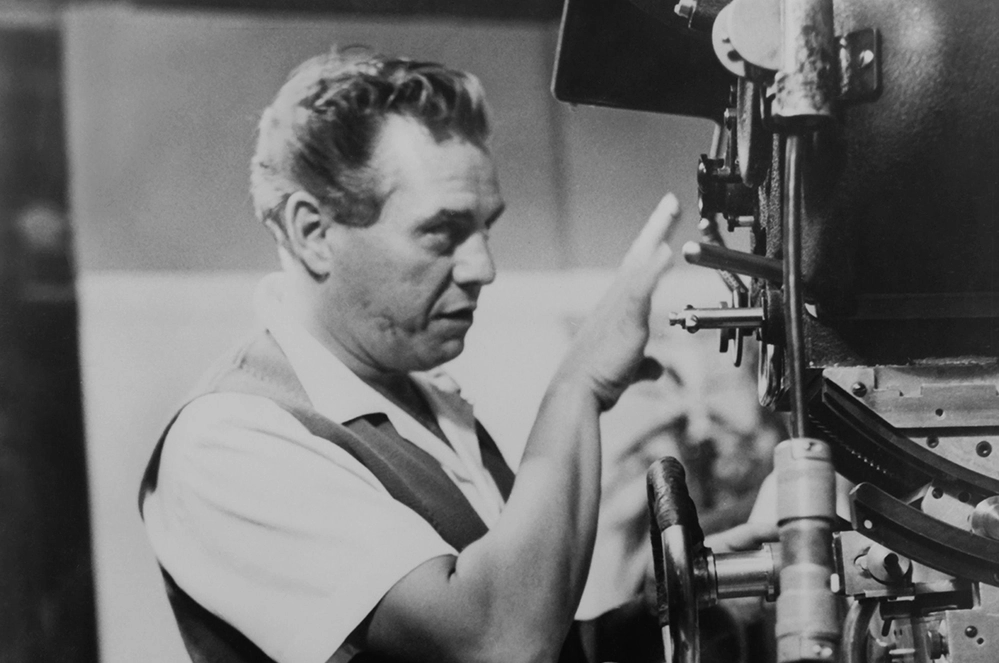
When the couple launched I Love Lucy in 1951 through their production company Desilu Productions, few could have predicted the cultural earthquake it would trigger. But Desi Arnaz was not simply the charming bandleader on screen — he was the visionary behind the camera. He pioneered filming in front of a live studio audience using a three-camera setup, a format so effective it became the industry standard and remains so today. He also negotiated ownership of I Love Lucy’s syndication rights, a stroke of business genius that transformed television’s economics and made Desilu Productions one of Hollywood’s most powerful studios.
He was, in short, the architect of modern television — and hardly anyone outside the industry knew it.
Fame, family, and a place to breathe
Global fame carries a weight. For Desi Arnaz, Del Mar was where he placed that weight down. Even as I Love Lucy made him one of the most recognized faces worldwide, he kept returning to the coast — eventually building a home there, a place that was distinctly his and his alone.
His children, Lucie Arnaz and Desi Arnaz Jr., shared his love for the Del Mar racetrack, joining him trackside and carrying on the family’s deep connection to the sport. In Del Mar, amid the salt air and the pounding of hooves, the Arnaz family discovered something that fame rarely provides: simple joy.
Love, loss, and a second chapter
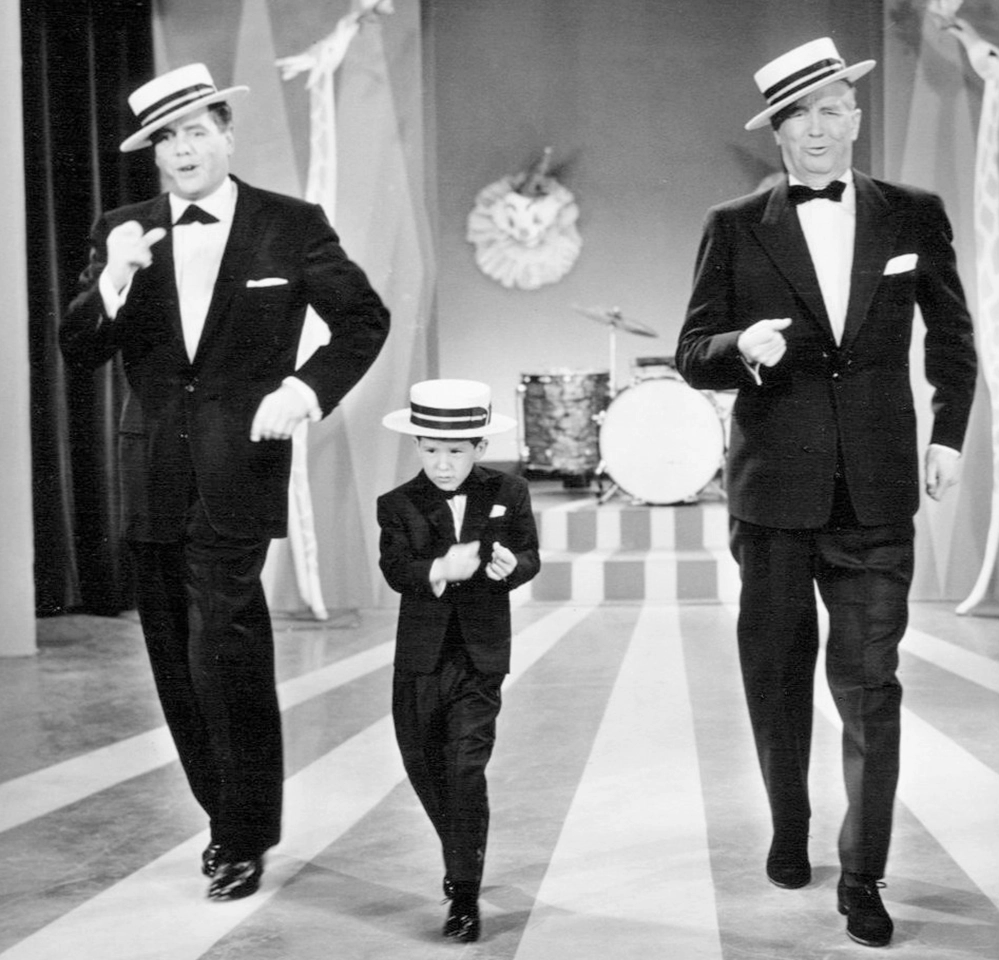
The marriage between Desi Arnaz and Lucille Ball, like many high-profile unions, was as complex as it was celebrated. They built an empire together, raised two children, and made each other laugh on screen in ways that still resonate decades later. But the relentless pressures of celebrity life ultimately proved too great. They divorced in 1960.
Ball later offered a reflection that was as generous as it was clear-eyed: Desi was a great producer, a great talent, and a great father — just not a great husband. Even so, mutual respect endured long after the marriage ended.
Arnaz later married Edith Mack Hirsch and quietly stepped away from the demanding pace of show business. He divided his time between Del Mar and Baja California, focusing on horse breeding, fishing, and enjoying the slower pace of coastal life. He made occasional television appearances and published his frank 1976 autobiography, A Book, but the spotlight no longer defined him.
A legacy larger than Lucy
Desi Arnaz died of lung cancer on December 2, 1986, at age 69. In a final gesture that felt perfectly fitting for a man who had found himself by the sea, his ashes were scattered in the Pacific Ocean.
His legacy, of course, extends far beyond Ricky Ricardo. As a television pioneer who helped shape the technical and business aspects of modern TV, Arnaz was inducted into the Television Academy Hall of Fame and celebrated as the first actor of Latin descent to star in an American TV series. Desilu Productions, the studio he co-founded, would go on to produce Star Trek and Mission: Impossible — shaping television history over several decades.
But in Del Mar, honors matter less than memory. There, Desi Arnaz is remembered not as a television pioneer but as a familiar figure at the rail — watching the horses run, breathing the ocean air, and just being himself.
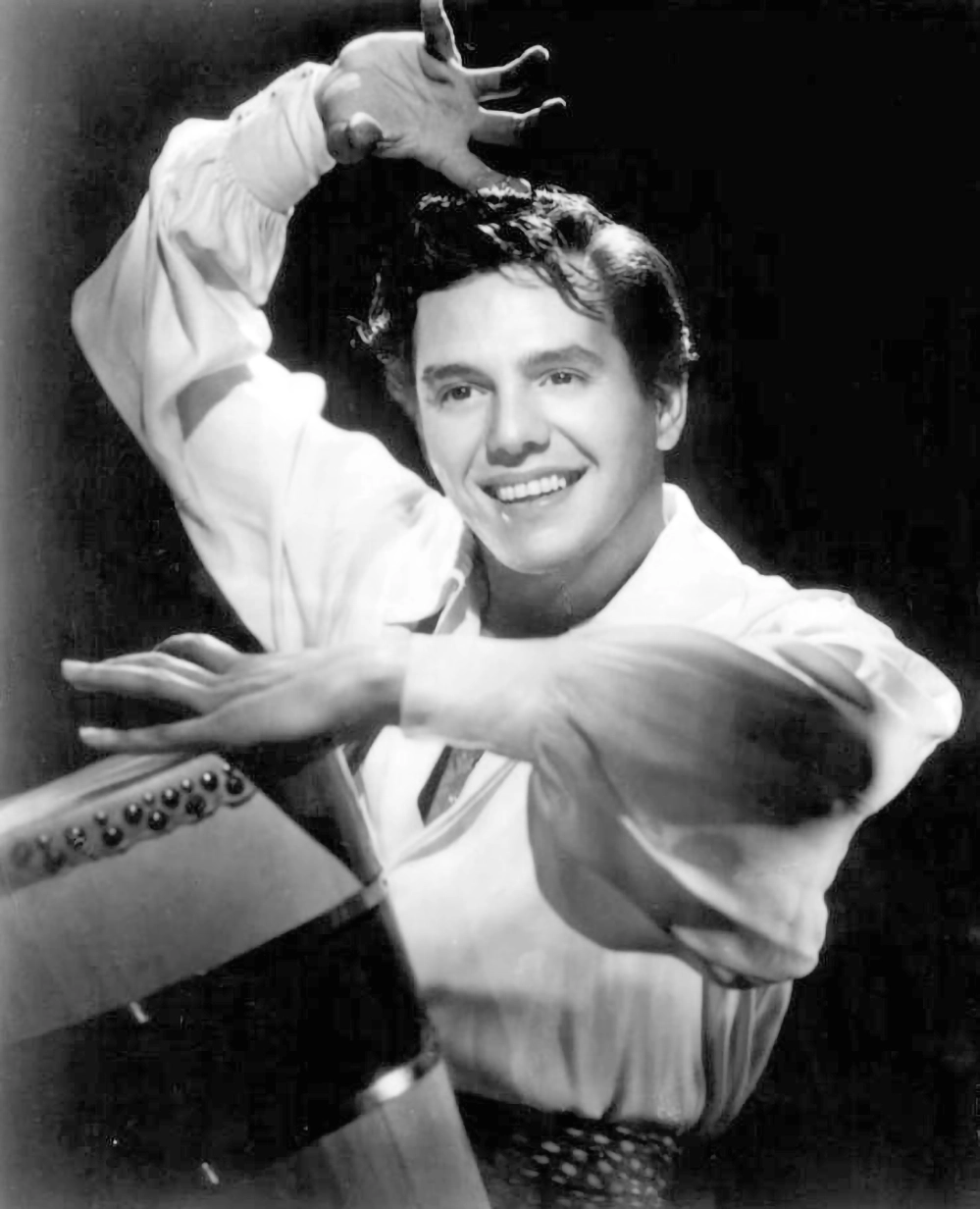
Fun facts about Desi Arnaz
- Did Desi Arnaz really start the conga line craze? Yes — he popularized it in America, turning it into a nationwide dance craze in the 1940s. And yes, he could still absolutely work a room.
- He was the first Latin actor to star in an American TV series — a milestone that opened doors for future Latino performers.
- Did you know Del Mar named races after him? The Del Mar racetrack honored his contributions to thoroughbred racing by naming stakes races after him — a tribute that meant just as much to Arnaz as any Hollywood award.
- Desilu Productions didn’t just create I Love Lucy — it also produced Star Trek and Mission: Impossible, establishing itself as one of the most influential television studios in history.
- Is the three-camera format still used today? Arnaz’s live-audience filming technique, which he championed for I Love Lucy, remains the standard for sitcom production.
You just read one of our favorite stories. There’s more where this came from — subscribe, and we’ll bring them to you every Tuesday.