
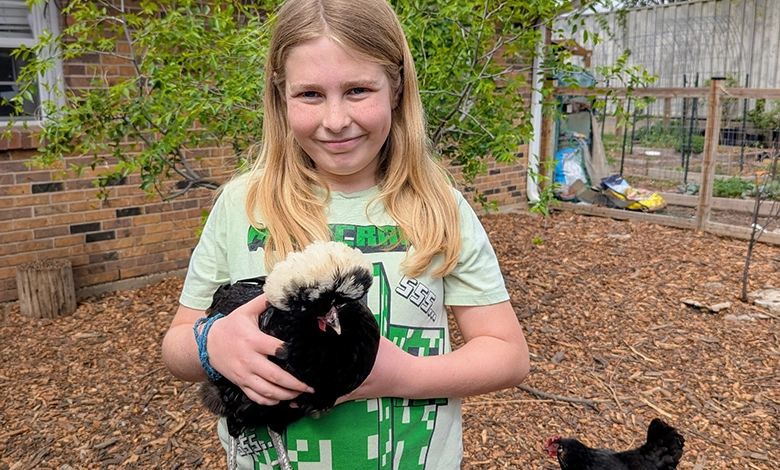
He wanted a Lego set. His mom said earn it. What happened next is a lesson in entrepreneurship, responsibility — and the surprisingly rich life of a backyard chicken.
Eleven-year-old Henry Yeager is not only building a business, he’s restoring faith in the next generation, one egg at a time.
A few years ago, when Henry asked for an expensive Lego set, his mom, Emma Yeager, who homeschools Henry and his two siblings, told him he needed to earn the money himself. So Henry did just that — by taking responsibility for raising backyard chickens and selling their eggs.
How did an 11-year-old start a backyard chicken business in Irving, Texas?
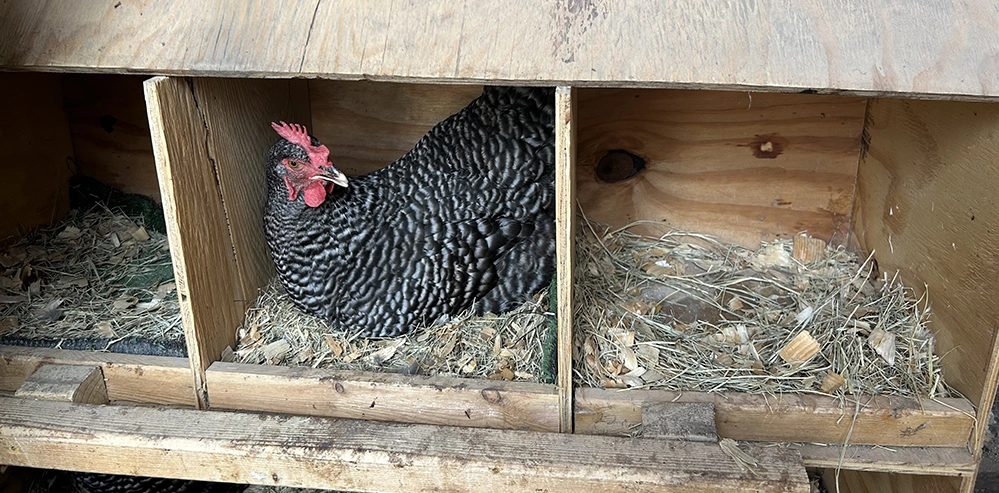
Although Henry lives in the heart of the DFW Metroplex in Irving, his town allows up to 25 backyard chickens. Henry has 18 free-range hens that lay about four dozen eggs a week. He sells them for $5 a dozen and maintains a regular customer list, marketing his eggs at homeschool community meetings and at the local farmer’s market — all under the brand he created: Henry’s Fresh Eggs.
Raising backyard chickens in DFW isn’t as unusual as it sounds. Many cities in the Metroplex allow hens (though rarely roosters), and the movement toward locally sourced food has made backyard chicken keeping increasingly popular among families looking to teach kids about responsibility, sustainability, and where their food comes from.
What Henry learned: money, responsibility, and the cycles of life
Henry and his mom say he’s learned a lot from his chickens — starting with financial management. All of his egg money is divided into three categories: what he can spend, what he needs to save, and what he tithes. It’s a framework most adults would do well to follow.
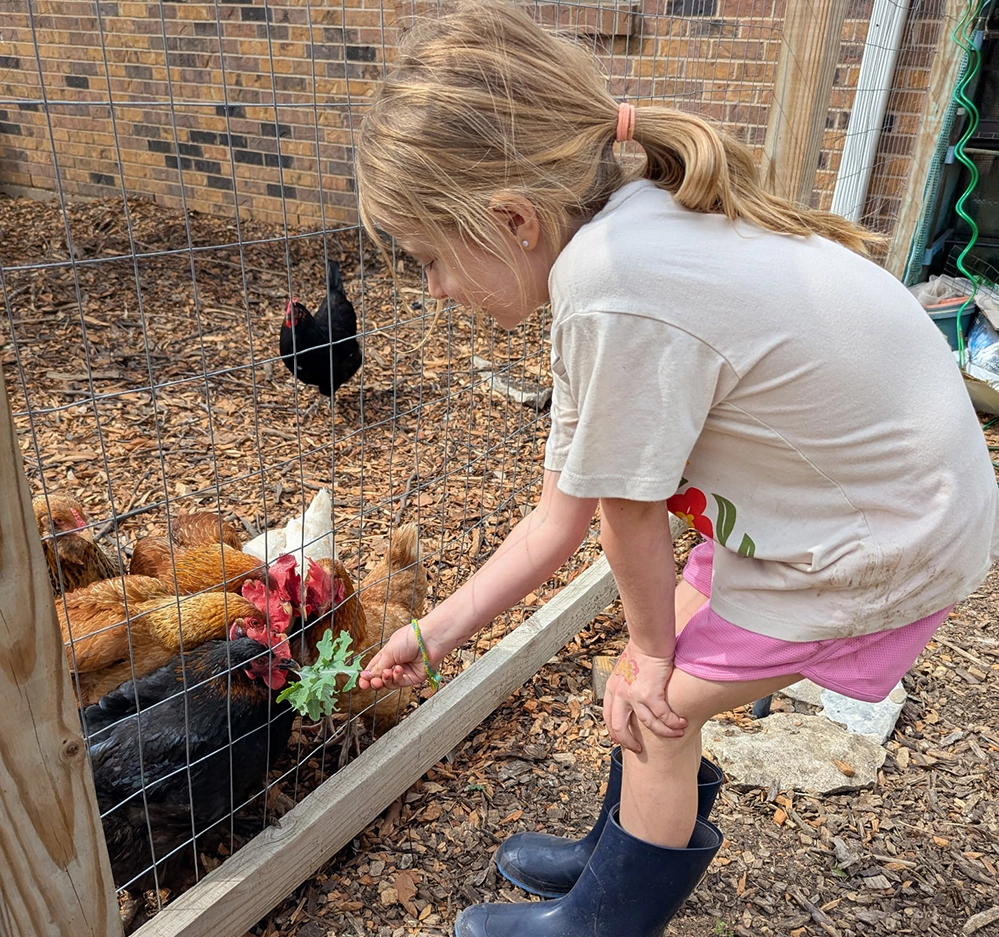
He’s also learned responsibility firsthand. As Henry explains, caring for backyard chickens is a daily commitment, providing snacks and seeds, collecting eggs, scooping poop, and making sure they always have water and pellets. Every single day.
“It’s fun,” Henry said, though he admits that scooping poop is his least favorite task.
The chickens have also introduced Henry to the cycles of life. His hens eat fresh fruits and vegetables from the family garden and return the favor by fertilizing it. Egg production itself follows a natural rhythm — spring and autumn are the most productive laying seasons, while extreme summer heat and winter cold slow things down.
And then there’s the bond. The chickens see Henry as their person. They follow him wherever he goes and let him pick them up. “If you want them to be friendly,” Henry advises, “you need to hold them when they are little.”
How many backyard chickens can you have in DFW?
In Irving, where Henry lives, residents can keep up to 25 backyard chickens, which gave him plenty of space to grow his flock. Regulations differ across the Metroplex, but many DFW cities have become more chicken-friendly in recent years. If you’re considering raising backyard chickens, always check your city’s specific rules before you start.
The colorful world of backyard chicken eggs
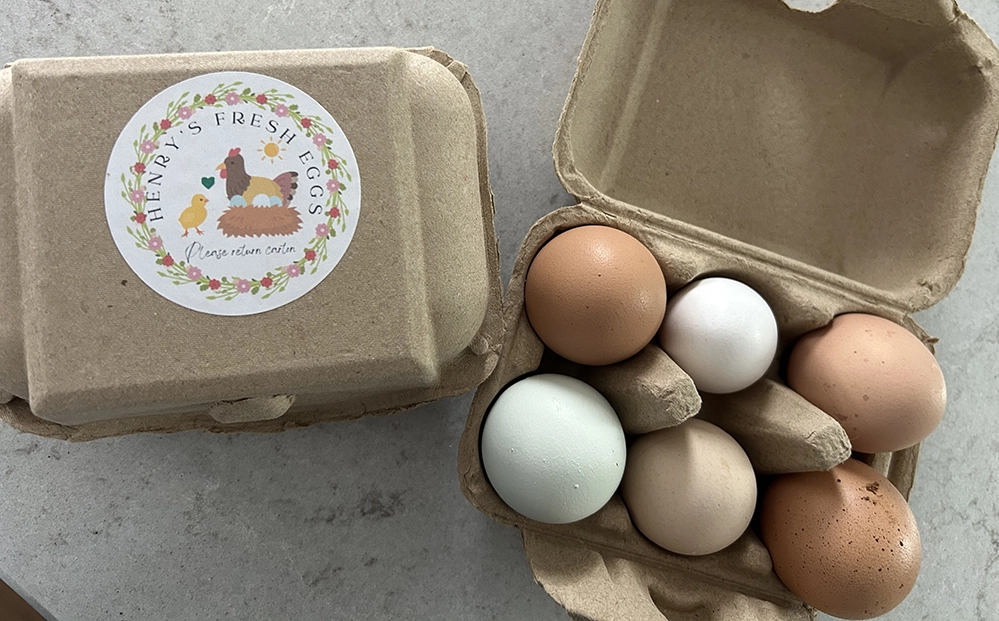
Not all eggs are created equal — at least not when it comes to color. Raising backyard chickens has surged in popularity across the country, with cities large and small relaxing ordinances to meet growing demand. And one of the most surprising discoveries for new flock owners is the rainbow of colors their hens produce. Eggshell color is determined largely by the breed of the chicken, and the differences go deeper than most people expect.
- White eggshells are white all the way through.
- Brown eggshells are white on the inside — the chicken colors the shell on the outside just before laying the egg.
- Blue eggshells are blue all the way through.
- Green eggshells are blue on the inside and green on the outside.
For Henry, the variety of colors in his egg cartons is just one more thing that makes his product special — and one more conversation starter at the farmer’s market.
What’s next for Henry’s Fresh Eggs?
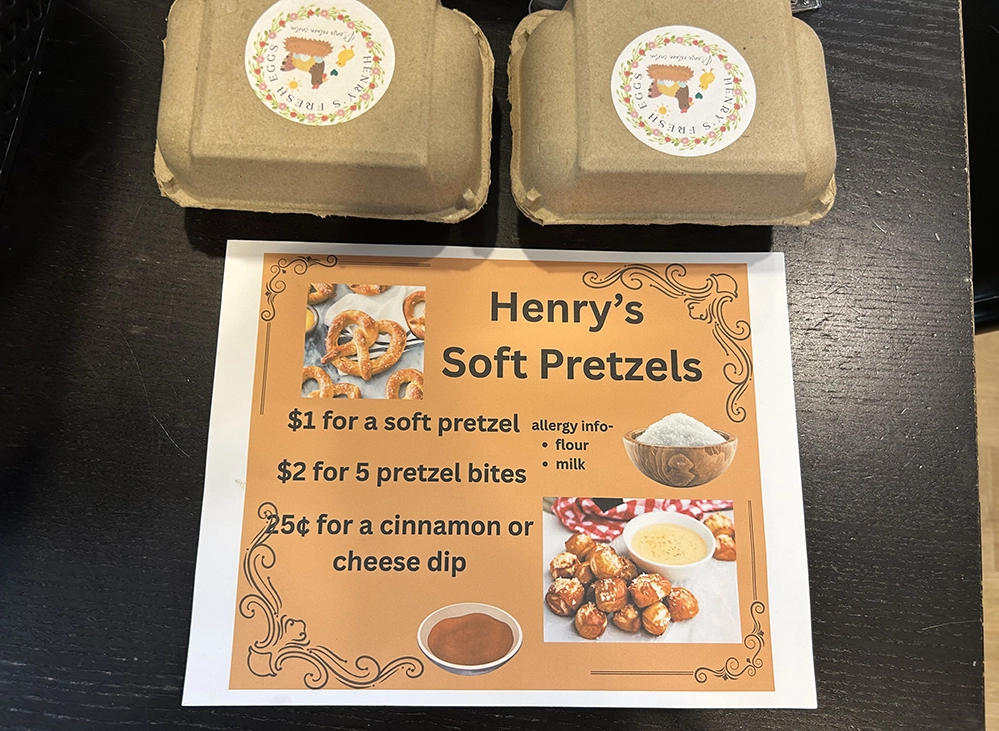
Henry’s success with raising backyard chickens has inspired him to explore additional income opportunities. A soft pretzel-making kit he received as a Christmas gift has grown into a side business, and he hopes that both pretzels and eggs will generate income under the Henry’s Fresh Eggs brand.
If Henry’s story proves anything, it’s that entrepreneurship has no age limit — and that sometimes all it takes is a mom who says no to a Lego set.
Frequently asked questions about backyard chickens
Can you raise backyard chickens in DFW?
Yes. Many cities in the Dallas-Fort Worth Metroplex allow backyard chickens, though regulations vary by city. Irving, for example, allows up to 25 chickens. Always check your local city ordinances before starting a backyard flock.
How many eggs do backyard chickens lay?
It varies by breed and season. Henry’s 18 free-range hens lay about four dozen eggs each week. Spring and autumn are the most productive seasons, while extreme heat and cold reduce production.
What do backyard chickens eat?
Backyard chickens thrive on a diet of pellets, seeds, and fresh fruits and vegetables. Henry’s chickens eat produce from the family garden and return the favor by fertilizing it with their waste.
What do eggshell colors mean?
Eggshell color is determined by the breed of chicken. White shells are white all the way through. Brown shells are white inside. Blue shells are blue all the way through. Green shells are blue inside and green outside.
You just read one of our favorite stories. There’s more where this came from — subscribe, and we’ll bring them to you every Tuesday.