Cary Grant: How Archie Leach Became an Icon of Elegance
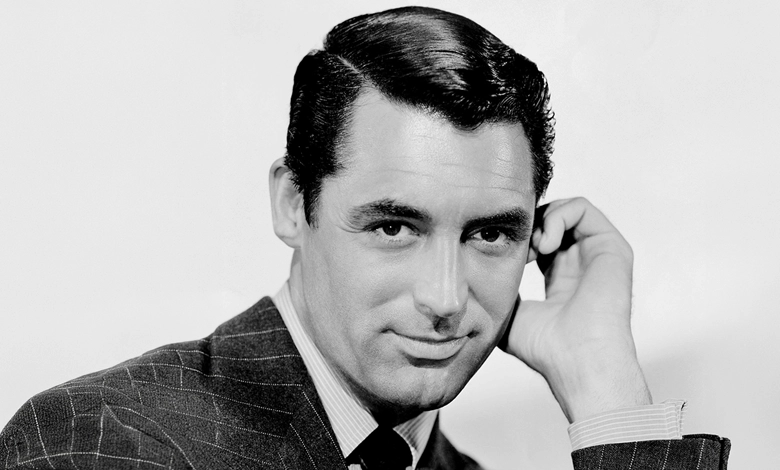
The coolest man in the room, even when he wasn’t trying.
There are movie stars—and then there’s Cary Grant.
Long before Hollywood learned how to manufacture charm, Archibald Leach figured out how to reinvent himself into something smoother, sharper, and almost impossibly composed. By the time the world knew him as Cary Grant, he had already built one of the most recognizable screen personas in film history: the man who could walk into chaos, raise one eyebrow, and somehow make it look like everything was exactly as planned.
From Archie Leach to Cary Grant: The Reinvention Behind the Icon
The story didn’t start in Hollywood. It started in Bristol, England, where Archibald Alexander Leach was born in 1904 into a working-class family that, on the surface, had little to do with movie stardom. His early life wasn’t glamorous. In fact, it was marked by hardship and instability, including the institutionalization of his mother when he was still a boy, an absence that would shape him for the rest of his life. He left Bristol at 14 to join an acrobatic vaudeville troupe, chasing a life in show business. Bristol still celebrates its famous son: the Cary Comes Home Festival returns in late 2026.
He found escape in performance early. Theater troupes, juggling acts, anything that pulled him away from the weight of home. As a teenager, he joined a traveling troupe called the Pender Troupe as a stilt walker. It was part circus, part survival strategy. And eventually, it was a ticket out.
Like many Hollywood origin stories, his was built on distance: geographic, emotional, and eventually linguistic. When he made his way to the United States in the 1920s, he wasn’t Cary Grant yet. He was still Archie Leach, still figuring out who he could be.
He drifted through vaudeville and stage work before landing in Hollywood, where Paramount Studios saw something in him that even he was still shaping. They didn’t just cast him—they renamed him. “Cary Grant” sounded clean, modern, American. Archie Leach sounded like someone waiting for bad news in a factory office. Hollywood chose the version it liked better.
What made Cary Grant Movies so different?
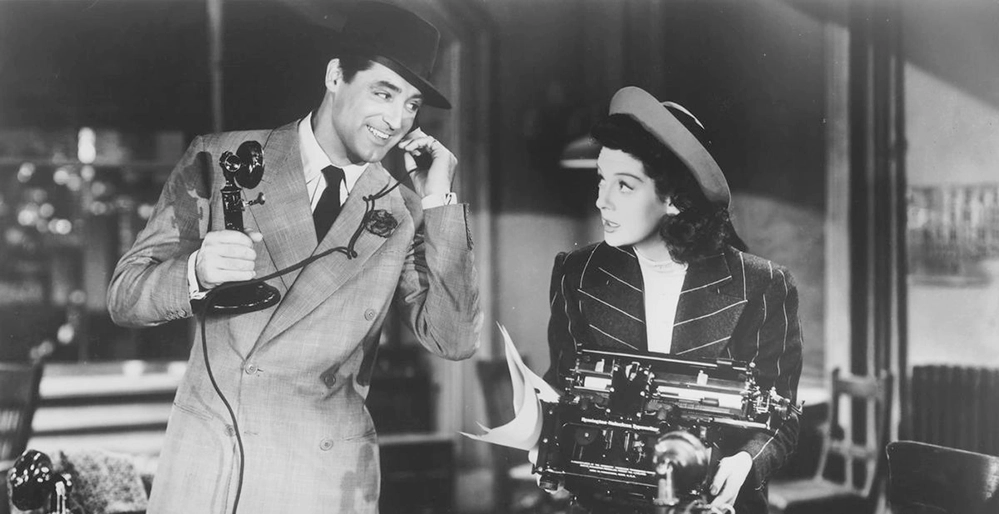
What set the great Cary Grant movies apart wasn’t intensity. It was control. Grant didn’t explode onto the screen so much as settle into it. Early roles in the 1930s showed flashes of the persona he would perfect later: smooth but slightly off-center, elegant but never fragile. He wasn’t the most intense actor of his generation. That wasn’t the point. His gift was timing, and the ability to make even absurd situations feel effortless.
By the time The Awful Truth (1937) and Bringing Up Baby (1938) arrived, he was already defining a new kind of leading man. Not the brooding type. Not the tortured artist. Something lighter, faster, more self-aware. He could spar with Katharine Hepburn without losing rhythm, stumble through chaos without losing dignity, and somehow make slapstick look like a choice rather than a mistake.
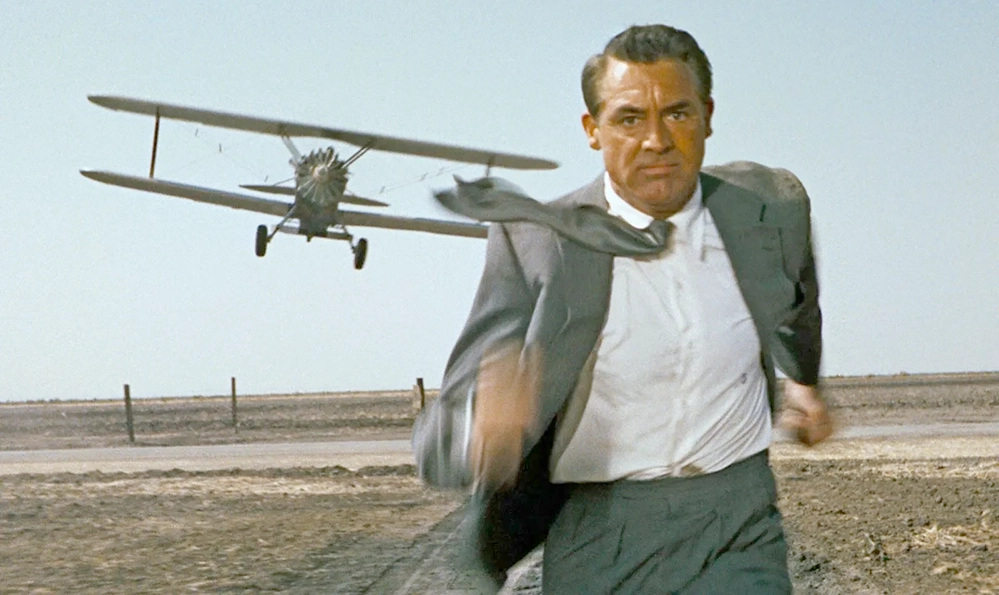
Cary Grant and Alfred Hitchcock: Charm with a shadow
If Grant had a second act in Hollywood, it was suspense. Alfred Hitchcock used him in Notorious (1946), To Catch a Thief (1955), and North by Northwest (1959), turning his charm into something slightly dangerous. He wasn’t just funny anymore; he was unreadable. The cool exterior stayed, but now there was a shadow underneath it. You never quite knew what Grant was thinking, and that was exactly the point. Hitchcock admired that quality immensely, once calling Grant “the only actor I ever loved in my whole life,” a remarkable compliment from a director not known for lavish praise.
Those Hitchcock years produced some of the most enduring Cary Grant movies ever made: the ones still studied for how much a performer can say by appearing to do almost nothing.
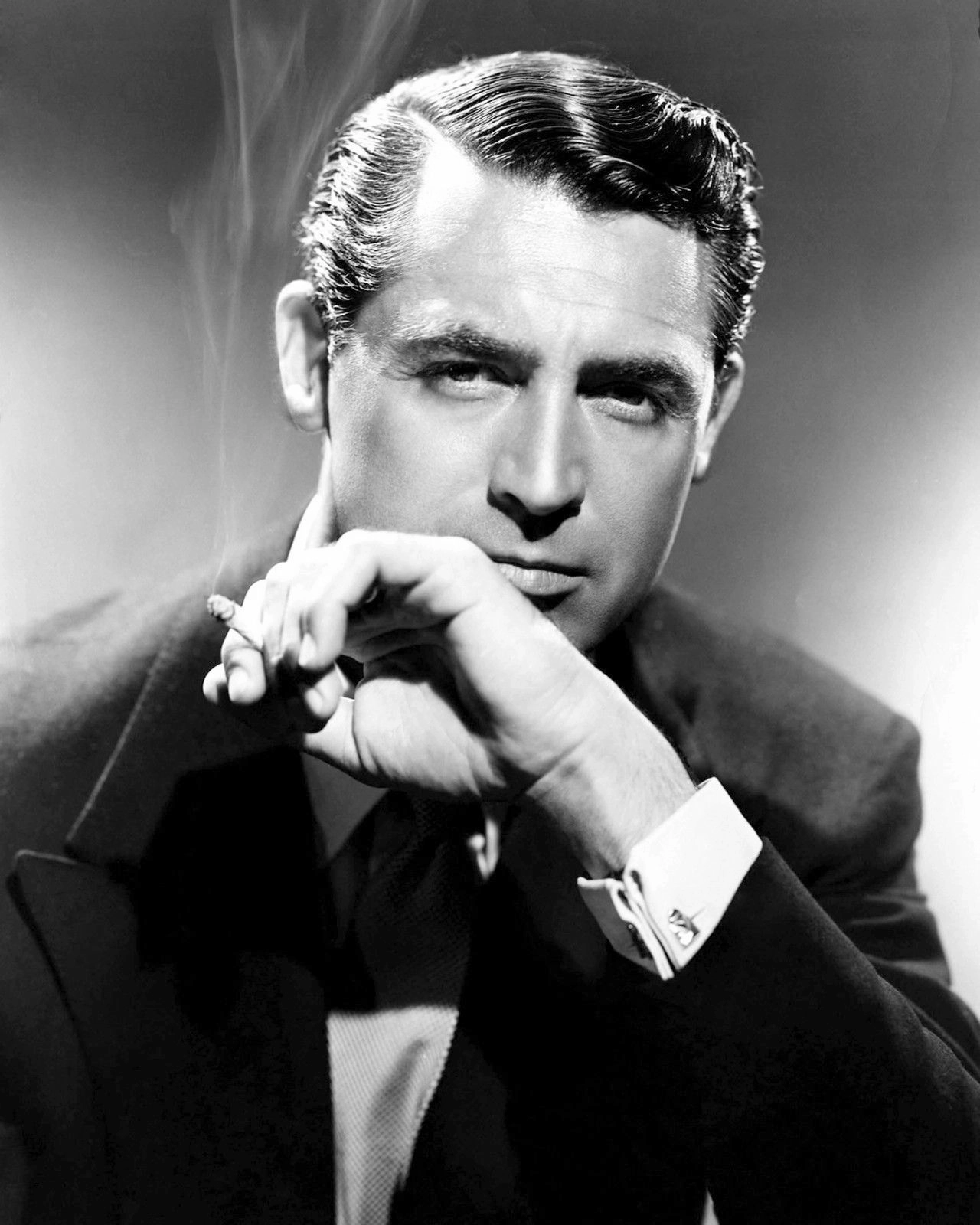
The elegance was built, not born
By the late 1950s and early 1960s, he had become something rare in Hollywood: a style more than a person, a shorthand for sophistication. The suits got better. The dialogue got sharper. The pauses became part of the performance.
But what people often forget is how carefully constructed it all was. Grant didn’t just “have” charm. He built it. He studied movement, speech, posture. He worked on himself the way other actors worked on scripts. Even his famously smooth voice was the result of adjustment and practice. The man who looked effortless on screen was, off screen, deeply intentional.
That search for perfection extended beyond the movie set. Grant was married five times: to actress Virginia Cherrill, Woolworth heiress Barbara Hutton, actress and writer Betsy Drake, actress Dyan Cannon, and later Barbara Harris. Although his relationships often attracted headlines, friends frequently described him as thoughtful, private and surprisingly self-critical. Becoming a father later in life to his daughter, Jennifer, brought him what many biographers say was his greatest happiness, and after retiring from films he devoted much of his time to raising her.
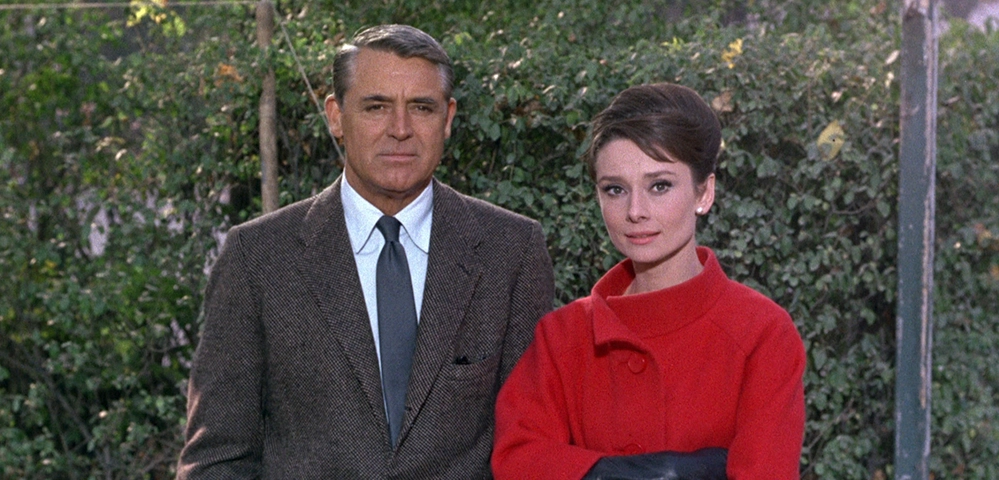
Why did Cary Grant retire at the height of his fame?
He also wasn’t afraid to step away. By 1966, after Walk, Don’t Run, Grant quietly retired from acting. No dramatic farewell tour. No fading comeback attempts. He simply left, at the height of his recognition, and turned toward a quieter life. Hollywood didn’t really know what to do with that kind of exit. It still doesn’t.
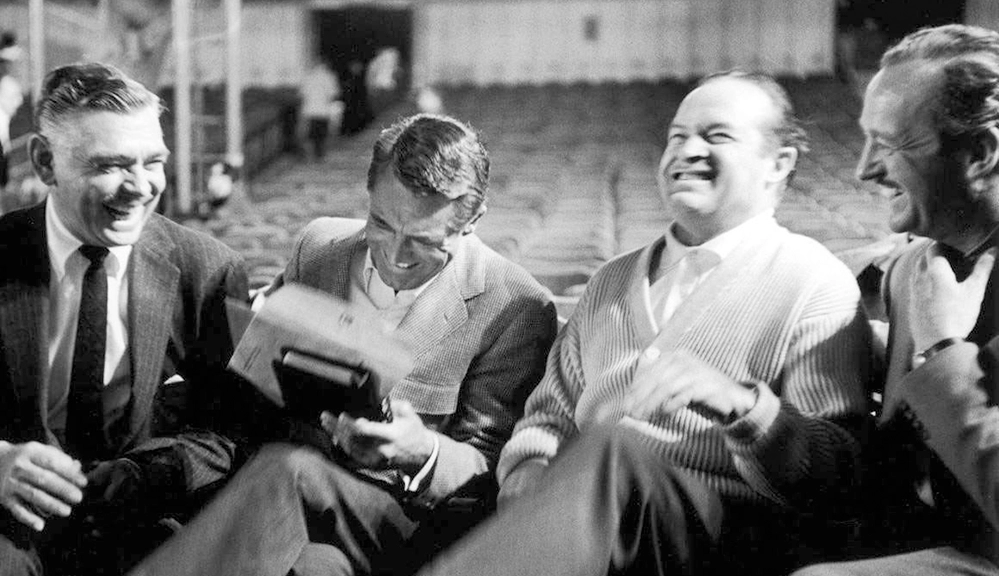
An icon frozen in time
What remained was the image. Cary Grant didn’t age in the public imagination the way most stars do. He stayed frozen in that perfect mid-century frame: tailored suit, slight smile, the suggestion that he always knew something you didn’t. Katharine Hepburn, who shared the screen with him more than once, remarked that Grant possessed “something that no one else had.” It was difficult to define, but audiences recognized it instantly.
In 1970, Grant received an Honorary Academy Award recognizing his unique mastery of screen acting and the influence he had on generations of performers. By then, he had already become something bigger than his filmography. He was shorthand for elegance itself.
How did Cary Grant die?
Grant died in 1986 in Davenport, Iowa, where he had traveled to perform his one-man show, A Conversation with Cary Grant. He suffered a stroke shortly before the performance. Even the circumstances of his death feel oddly understated for someone who spent a lifetime refining presence.
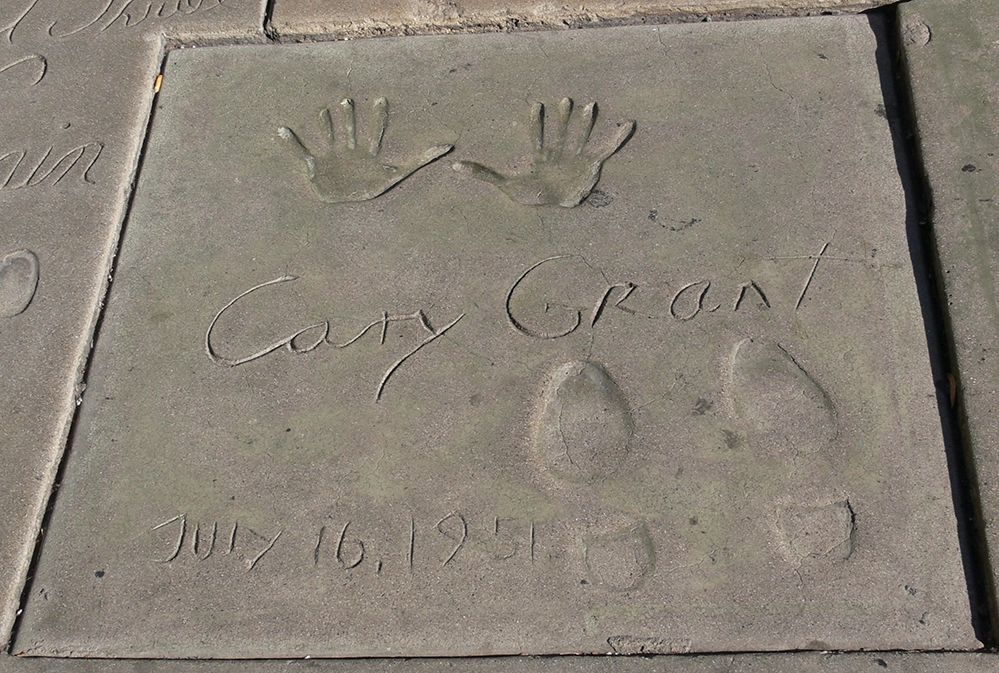
Why Cary Grant still matters
What lingers now isn’t just the films—it’s the posture, the rhythm, the sense that everything is slightly more controlled when Cary Grant is in the frame. He didn’t just act in movies. He adjusted their temperature.
And maybe that’s why he still works. Not because he feels distant or untouchable, but because he feels composed in a way modern life rarely is. He’s proof that personality, when shaped carefully enough, can become architecture.
Or, to put it more simply: nobody ever really walked like Cary Grant. And nobody’s really managed it since.
Frequently Asked Questions About Cary Grant
What was Cary Grant’s real name?
Cary Grant was born Archibald Alexander Leach in Bristol, England, in 1904. He took the name Cary Grant after Paramount Studios signed him in the early 1930s.
How many times was Cary Grant married?
Cary Grant was married five times: to Virginia Cherrill, Barbara Hutton, Betsy Drake, Dyan Cannon, and Barbara Harris. His only child, daughter Jennifer, was born during his marriage to Dyan Cannon.
Why did Cary Grant retire from acting?
Cary Grant retired in 1966 after filming Walk, Don’t Run. At the height of his fame, he chose a quieter life and devoted much of his time to raising his daughter, Jennifer.
Did Cary Grant win an Academy Award?
Cary Grant never won a competitive Oscar, but he received an Honorary Academy Award in 1970 for his mastery of screen acting and his lasting influence on film.
You just read one of our favorite stories. There’s more where this came from — subscribe, and we’ll bring them to you every Tuesday.