
When Should You Start Social Security Benefits? A Financial Expert Explains
Q&A with David Freitag


The decision about when to start Social Security benefits is one of the most important — and confusing — choices you’ll make in retirement. Whether you’re considering Social Security benefits at 62 or waiting until 70, timing matters. Financial expert David Freitag breaks down what you need to know.
What is the full retirement age for Social Security?
fyi50+: One of the top five questions people ask about Social Security is when to start benefits. This can be a complicated question, so I asked David Freitag, our go-to Social Security guru, for guidance.
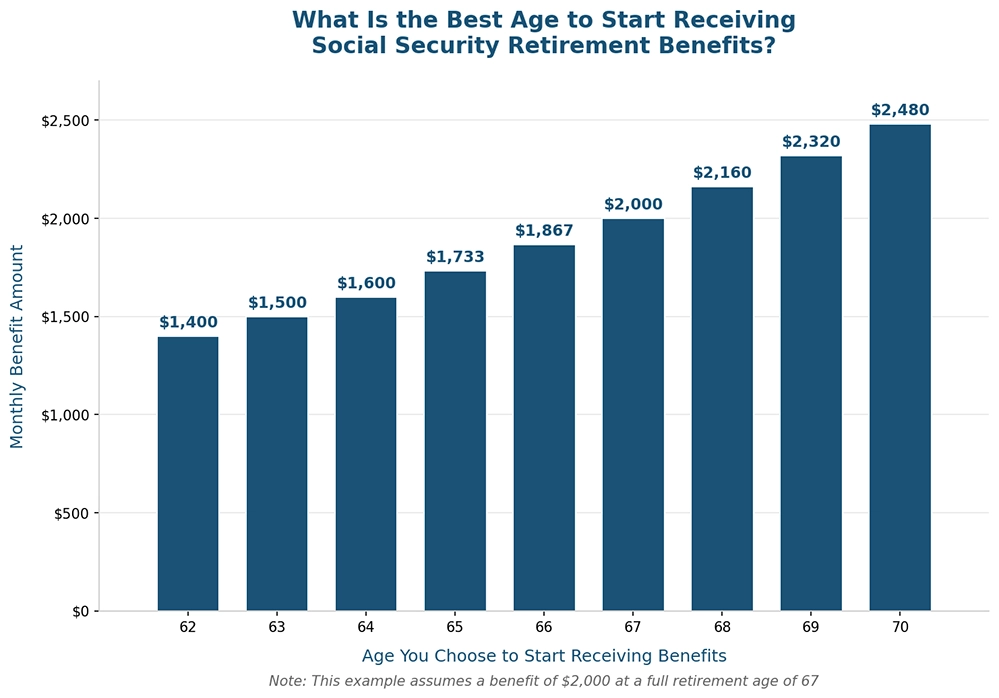
Freitag: Heidi, for most people, the window to collect benefits on your own record opens at age 62 and closes at age 70. A key point to remember is your full retirement age. For those born in 1960 or later, the full retirement age is 67. At 67, you receive 100% of your accrued benefit, based on your 35 highest, but not necessarily consecutive, years of work. This benefit is called your “primary insurance amount” (PIA). If you take PIA benefits before your full retirement age, they are reduced for early filing.
Why are Social Security benefits reduced for early filing?
Freitag: This is an actuarial calculation. If you start before full retirement age and live to the Social Security Administration’s projected life expectancy, your payments will be made for a longer period than if you start at full retirement age and live to that life expectancy. The goal is to balance the calculations so that, over time, the payments equal out.
What are delayed retirement credits?
fyi50+: What if you delay taking benefits between ages 67 and 70?
Freitag: If you delay taking benefits, you’ll earn what the Social Security Administration calls “delayed retirement credits.” The calculation is simple. It is an 8% per-year simple-interest increase in benefits.
fyi50+: Are these increases and decreases calculated annually?
Freitag: No, Heidi, they are calculated each month. The benefit decreases are smaller than the delayed retirement benefit increases, and the delayed calculation math is a little more complicated, but it is done each month as you move through ages 62 to 70. It is super important to remember that no delayed retirement credits are paid after age 70, so there is never a reason to delay beyond that age.
What happens if you delay Social Security beyond age 70?
fyi50+: Have people delayed taking benefits past age 70? If so, what happened to the unclaimed benefits?
Freitag: This has happened many times. One example is a successful college professor who turned 72. She had not started taking benefits because she believed she would earn delayed retirement credits beyond age 70. When she discovered that her benefits were not increasing, she asked the SSA for a retroactive refund. The SSA can pay retroactive refunds only for the past 6 months. She lost over $63,000 of her own benefits because she did not know that the filing window had closed at age 70.
When should you take Social Security benefits early?
Freitag: There are two reasons people take Social Security benefits early. One is that you are not working and really need the money. This happened many times during the pandemic, when people were laid off and businesses closed. They needed income, and Social Security was a perfect source of supplemental income.
The second reason people take benefits early is poor health and limited life expectancy. Benefits are paid only to living people. You must be here to collect.
When should you delay Social Security benefits?
Freitag: It is the opposite of the example of taking benefits early. Those who have assets and do not need the income, or who have strong health and longevity in their family, often delay taking benefits.
It is important to remember that everyone is different, even within the same family. Married couples often have different start dates for their distribution strategies, either because they need the money or have different longevity estimates.
How do married couples decide when to start Social Security benefits?
fyi50+: This is when planning is especially important.
Freitag: Correct. A married couple, both turning 62, has 81 possible age combinations for when to start collecting benefits. This can be very confusing, and without the help of software tools, it is almost impossible to determine which strategy is best for them. Plus, when you factor in the couple’s financial needs and longevity, it is very difficult to find a plan that works for them.
There are tools available to help people make good choices. It is probably best to consult an advisor. Retirement income planning is needed. You need to make good choices because they last a lifetime and are difficult to change.
How does Social Security fit into your overall retirement plan?
fyi50+: It sounds like decisions about when to start Social Security benefits affect when to retire, when to start a pension, and when to draw on retirement savings.
Freitag: That is correct. These issues are interconnected and vary from person to person. The best approach is to review your full financial picture — Social Security, pensions, retirement savings, and anticipated expenses — and build a strategy that fits your situation.
fyi50+: Any final advice for readers trying to decide when to start Social Security benefits?
Freitag: Don’t guess. The decisions you make about Social Security last a lifetime and are hard to change. If you’re unsure, work with a retirement income advisor who can help you run the numbers and determine the right timing for you.
You just read one of our favorite stories. There’s more where this came from — subscribe, and we’ll bring them to you every Tuesday.