I do not have a green thumb. I failed at planting a vegetable garden. I envisioned it would be so beautiful and couldn’t wait to harvest the okra, tomatoes, and eggplant. It did not turn out the way I thought it would, and I was very disappointed. But that failure taught me something valuable about life transitions—especially retirement. After my epic fail, I went online to learn what I could have done differently and talked to a friend who is an avid gardener and asked him for guidance.
I learned that I didn’t know what I didn’t know about planting a vegetable garden.
This lesson slapped me in the face. It’s the same thing that many retirees experience after retiring. They leave their career, and after a while they are taken back because their vision of retirement did not turn out the way they expected. This is what I call retirement reality—the gap between expectation and experience.
And why? Because they didn’t know what they didn’t know and weren’t aware of what may happen if they don’t prepare for this transition. I could empathize with them after my garden didn’t turn out the way I expected.
And that’s what prompted me to write this month’s article. Let’s look at the aspects of planning for a flourishing garden and planning for a flourishing retirement and how there are similarities.
Step 1: Create your retirement vision
When planting any garden, we typically visualize what it will look like, whether it be a flower garden or vegetable garden. What is your vision of retirement? How do you imagine spending the 40+ hours/week that will be gifted to you after you retire?
Step 2: Prepare your foundation for retirement
There are various types of soil we use so our plants and flowers will be healthy and flourish. Without quality soil, the garden will result in wilted and unhealthy growth. By reflecting on what is needed to prepare for and thrive in retirement, you can identify what truly matters. Ask yourself: What are positive and healthy qualities, interests, passions and relationships you possess that you want to keep rooted in your soil and build upon in retirement? And, metaphorically speaking, are there weeds and bugs interfering with you leading a healthy and fulfilling lifestyle? Get rid of those!
Step 3: Test your retirement ideas before you retire
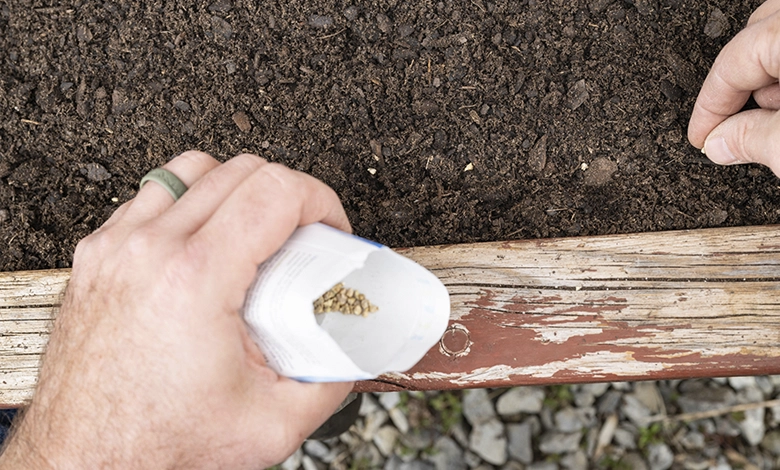
It’s always a good idea to throw out miscellaneous seeds before deciding what will and won’t work when planting any type of garden. Do you have thoughts and ideas about what you want to do once you stop working? Is there a way you can toss out some seeds now and “practice” by doing small bites of what you are considering; for example: volunteering for a specific cause, learning to play pickleball, returning to a creative endeavor, or moving to another location. Consider talking to others who made this transition before you about what you are thinking about doing.
Step 4: Plan for physical and mental health
Gardens remain healthy and thrive when fertilized, nourished and taken care of. What will you do to nourish yourself to blossom and remain physically, emotionally, and mentally healthy in retirement? And what will you do to promote and maintain personal growth and remain intellectually stimulated?
Step 5: Prepare for unexpected challenges
Unwelcome visitors such as pests, rodents, and plant diseases can create problems that hinder plant growth and vitality. Similarly, unexpected health issues or other challenges can arise for you or your family. What proactive steps can you take to reduce the risk of these unforeseen problems and effectively manage them if they occur?
Step 6: Diversify your retirement activities
What gives a garden beauty and brings joy is often a variety of color and different plants. Your retirement garden should be mixed with a variety of interests, social connections, curiosities, and whatever else you envision will bring you joy. This mix also offers a safety net if one or more in the mix falters.
Step 7: Focus on your retirement goals
There is nothing more satisfying than going to a garden and harvesting tomatoes and other vegetables to enhance healthy eating. Continue to always focus on your retirement garden crop to be one that yields a bountiful and joyful retirement, bringing with it purpose, good health, satisfying relationships, ongoing learning, and no regrets.
Step 8: Adapt to changing retirement needs
Like any outdoor garden, your retirement garden will not always remain the same. Over time, new growth will appear and some will disappear; your goals could change. What’s important is to focus on your vision of your harvest and continue to maintain it as needed.
And, if you are interested, my friend who is an avid gardener has offered advice and helped me prepare my spring garden. I am optimistic!
You just read one of our favorite stories. There’s more where this came from — subscribe, and we’ll bring them to you every Tuesday.