
Making Friends in Retirement: 5 Strategies for Connection After 50
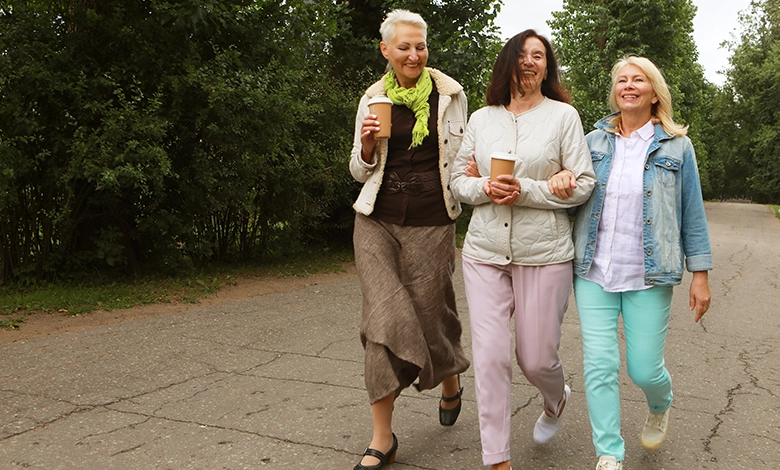
Why your best friendships may still be ahead!
Retirement brings unexpected gifts, and one of the most surprising is the deep, meaningful friendships waiting to be discovered. While making friends after 50 can feel challenging without workplace connections, this life stage offers unique advantages for building authentic relationships that many younger people don’t have: time, self-awareness, and the wisdom to recognize what truly matters.
From small towns like Brown County, Indiana, to bustling retirement communities across America, retirees are discovering that their most meaningful connections often come later in life, precisely when they need them most.
Why making friends in your 50s and beyond is different (and better)
Retirement friendships differ significantly from earlier-life connections. Without workplace relationships or children’s activities, making friends after 50 requires more deliberate effort. However, this challenge offers notable advantages: more time to build genuine relationships, free from the pressures of professional networking or social climbing.
Research shows that adults over 50 who stay socially connected tend to live longer and report higher life satisfaction. AARP research indicates that 40% of adults aged 45 and older regularly feel lonely, and this rate rises among those who have recently moved or experienced major life changes. The answer isn’t complicated — it just needs a strategy.

5 Proven strategies for making friends at 50+
1. Volunteer for causes you care about
Volunteering remains one of the best ways to make friends in retirement. Sue Lindborg, who returned to Brown County, Indiana, for retirement, uses her executive experience to volunteer with Habitat for Humanity and four other groups. When she broke her shoulder, her network of friends and volunteers came together to support her. “One friend brought food, another helped with my hair,” she says. Consider roles that match your skills, such as tutoring, court-appointed child advocacy, or volunteering as a “grandparent” at schools. Food pantries, animal shelters, and service clubs, such as Lions and Rotary, specifically welcome retirees.
2. Join interest-based groups and clubs
Retirement friendships flourish through shared passions rather than proximity. Whether it’s hiking, quilting, book discussions, or investment clubs, these activities foster friendships that grow naturally through shared experiences.
3. Connect through faith and spiritual communities
Religious and spiritual organizations offer excellent opportunities to build friendships through small-group studies, community service projects, and social gatherings. Many welcome seekers and offer meditation groups or discussion circles that foster meaningful, soul-enriching connections.
4. Prioritize physical activity and wellness
Group exercise classes offer natural conversation starters and regular opportunities to interact. YMCAs report high participation among retirees in fitness classes, swimming, and pickleball leagues. Brown County’s “Walking Women” group combines physical health with social bonding, fostering connections that last beyond exercise.
5. Leverage social media and online communities
Local Facebook groups help newcomers learn about events and connect with neighbors. Specialized online communities for retirees or hobby enthusiasts offer emotional support that can lead to phone friendships and in-person meetups.

What you need to know about making friends in retirement
What if I’m shy or introverted?
Many introverts find it easier to make friends in retirement because activities often center on shared interests rather than small talk. Volunteering, hobby groups, and games like chess or cards offer natural conversation starters.
How long does it take to make new friends in retirement?
Real friendships take time to develop. Most experts recommend showing up consistently at an activity for at least three months before expecting deeper connections to form. Patience and presence matter more than personality or social ease.
How can I make friends after relocating for retirement?
Pick a community activity and keep showing up. Over time, familiarity builds, and friendships grow from there.
Can online friendships become as meaningful as in-person ones?
Many retirees say online friendships provide essential emotional support, and these connections often evolve into phone calls or face-to-face meetings over time.
Embrace new friendships
Life after retirement offers something valuable: unhurried time and the wisdom gained through experience about what truly matters. Start with a single activity that genuinely interests you, whether it’s volunteering at a local food bank, joining a walking group, or attending a book club. Show up consistently for at least three months and be genuinely curious about the people you meet.
Remember, the goal isn’t to make dozens of friends but to find a few meaningful connections that enrich this next chapter of your life. The right friendships matter more than ever after 50. Your best friendships may be waiting in the most unexpected places — you just have to take the first step.
You just read one of our favorite stories. There’s more where this came from — subscribe, and we’ll bring them to you every Tuesday.