

My husband and I grew up in the Midwest but left the area in 1980 after he received his Naval Officer commission. Two kids later and lots of moves around the world with me working full-time as a registered nurse didn’t give us much time to get back home for visits. It wasn’t until social media became a “thing,” that it enabled us to connect virtually with some of the family again.
Having some sentimental conversations with them took us back to the “remember when” days. It also gave our children and grandchildren more of a snapshot into our family history, encouraging questions about our grandparents, aunts, uncles and other family members.
One day a few months ago, it dawned on me that if we didn’t document our familial memories for posterity, that our offspring would know little about our crazy but fun family heritage.
For us all, preserving a family’s legacy will be so deeply appreciated by our loved ones, especially when we’re no longer here to answer their questions about the who, what, when, and where.
Here are some ways we’ve found to keep the spirit of the family alive and safeguarded for future generations to cherish.
How do you create a digital family tree?
AncestryDNA and others have made it easier to explore a family’s genealogy just from a simple mouth swab. Not only will you see your ethnic origins (some that may surprise), but the tests can map our ancestral journeys throughout the world.
I also contacted one of my mother’s cousins back home who helped fill me in on other family details such as birth order, marriages and children. Don’t wait to ask these questions as time is not your friend and loved ones do depart.
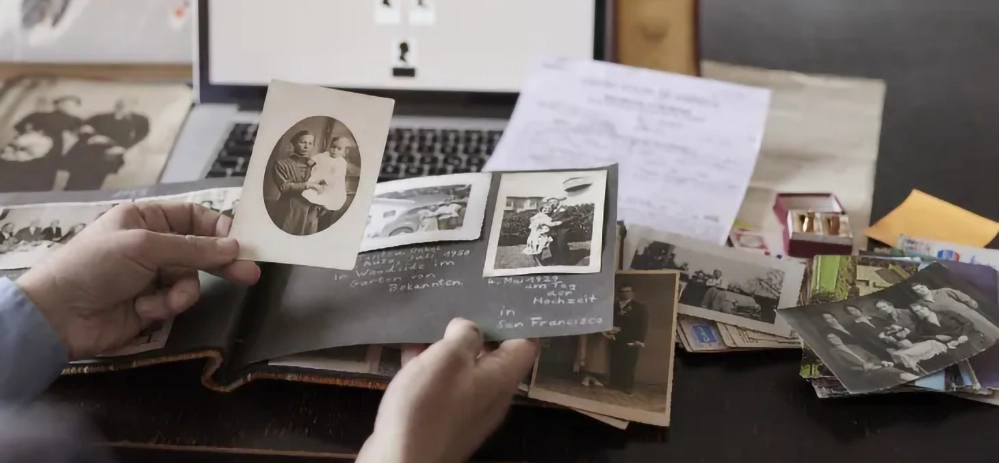
What’s the best way to digitize old family photos and documents?
After going through old family photos, letters, diaries or other physical records, pull them together in a computerized album. Unlike a physical album, the digital version offers unlimited life and storage. You can also title each photo after you’ve uploaded them. This way each family member has the same photos, documents, names and information and the photos don’t yellow with time.
How do you pass down family traditions to the next generation?
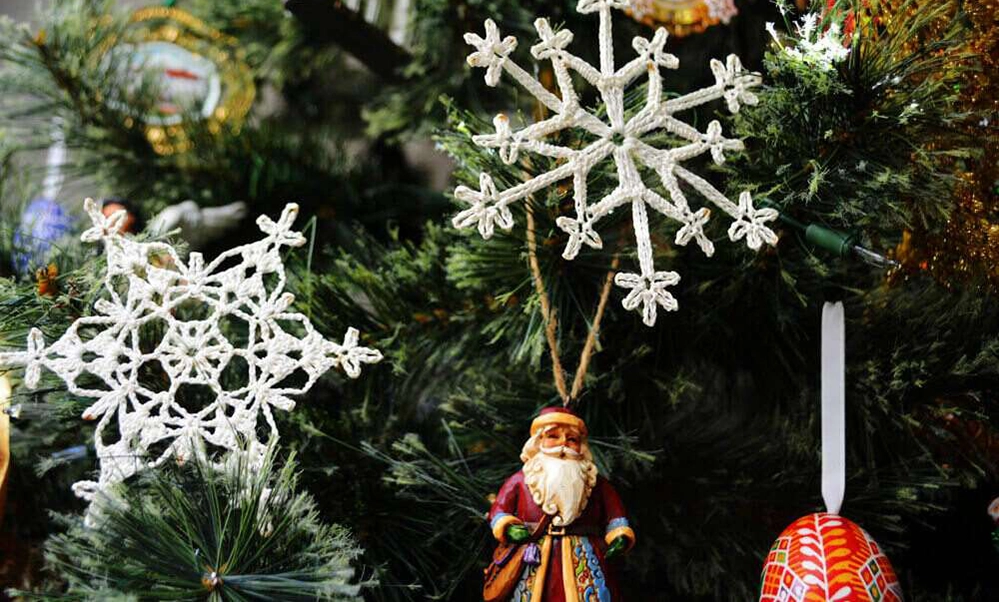
This is a fun one, especially if you come from a family big on tradition, be it holidays, reunions, get-togethers or even cooking events. One of the best memories of my childhood was canning, baking and crafting with my maternal grandmother. And the best part is that I have some of her recipes written in her very own handwriting. I also have two dozen hand-crocheted and starched snowflakes that I hang on my Christmas tree every year. Each unique snowflake was lovingly stitched by a great aunt, and 50 years later, they remain in perfect condition.
Ways to preserve family traditions:
- Write down recipes with stories behind them
- Photograph or video holiday preparations and celebrations
- Document the “why” behind traditions (not just the “how”)
- Teach younger generations hands-on skills
- Create new traditions that future generations can continue
Carrying traditions forward is important but every family can establish their own new traditions, something very sacred and comforting to add for future generations. And it’s never too late to start the process.

How do you record family stories before it’s too late?
My grandparents lived through the Great Depression and had many stories to share about those challenging times. I was also close to my godparents and several aunts and uncles who loved sharing family stories, especially during holidays or family reunions. These tales ranged from older relatives who lived in Eastern Europe under Communism to funny stories that left me and my cousins in stitches. Others revealed shared family tendencies.
I chose nursing as my first career, perhaps influenced by knowledge of my great-grandmother who was a beloved nurse midwife and delivered each and every one of her own grandchildren.
If you still have older living relatives, get them to share family stories by asking open-ended questions that lead them to talk about their past.
Start with phrases like:
- “Tell me about your childhood home…”
- “What do you remember about your grandparents?”
- “What was it like during [historical event]?”
- “What’s your favorite family memory?”
- “What do you want future generations to know?”
Write it down, or better yet, record the conversation, their responses in their own words. It creates a priceless treasure of memories.
Should you keep a family diary or journal?
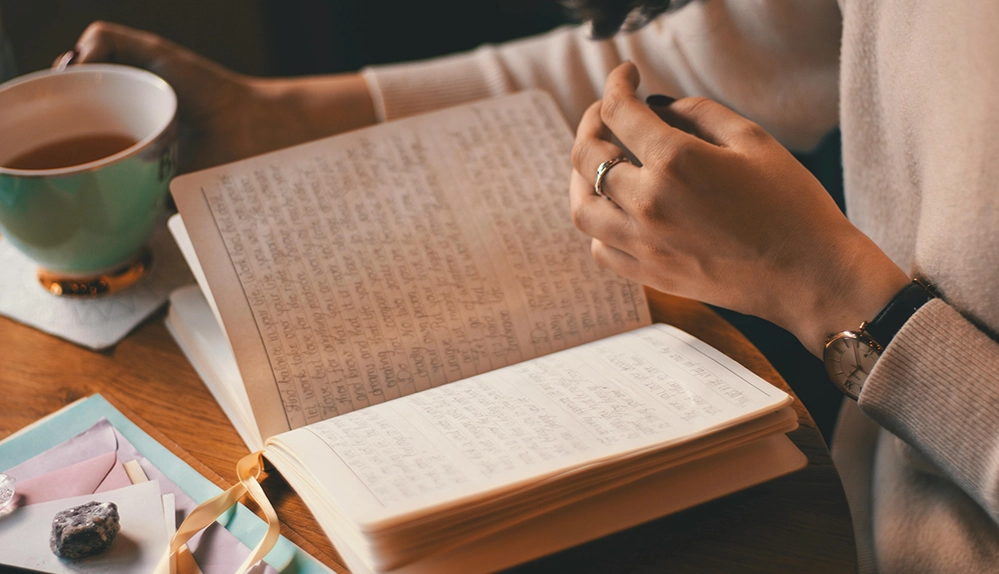
We live in a fast-paced world, and what’s in the rear-view mirror is often forgotten. Keep a diary, perhaps not of your deepest personal thoughts, but more of a family record.
After my mother-in-law’s passing in 2023, her sons came across a handwritten diary she maintained for many years. It was more of our immediate family history documenting where the family lived, where the kids went to school, their teacher’s names, family vacations, and more. Surprisingly, it also included memorable conversations from the past and documented family challenges, and memories both happy and sad. It was a gold mine of information, much of which would have otherwise been lost to the dust bin of time. It wasn’t dramatic or literary—just honest documentation of life as it happened. And it became one of the most treasured items her sons inherited.
Business speaker, strategist and community leader Peter Strople once said, “Legacy is not leaving something for people. It’s leaving something in people.” Sure, it’s great to leave an inheritance, jewelry or other valuable items and collections for our family members. But it’s equally important to share the stories behind each and every one. And the most treasured heirlooms by far are the stories and memories we take time to gather, record and pass on to those we love most in the journey of life.
You just read one of our favorite stories. There’s more where this came from — subscribe, and we’ll bring them to you every Tuesday.