
Where Dolores Costello Chose to Disappear
A Silent Film Icon's Life in Fallbrook, CA

Long before her granddaughter, Drew Barrymore, became a Hollywood star, Dolores Costello was known as the “Goddess of the Silent Screen.” But at the height of her fame, she walked away from it all — and chose to disappear.
Years after she had dazzled movie screens and magazine covers as one of Hollywood’s silent-era icons, Dolores Costello lived quietly in Fallbrook, a small agricultural town in northern San Diego County. To neighbors along De Luz Road, she was a volunteer at church events and a familiar face at community celebrations — not the leading lady who had once starred alongside John Barrymore and been celebrated as one of Hollywood’s most admired beauties. Few townspeople realized that the reserved woman attending civic gatherings had once been among Hollywood’s most photographed stars.

Early days: A star is born
Born Sept. 17, 1903, in Pittsburgh, Costello was the daughter of stage actors Maurice and Mae Costello. Performance was part of her upbringing, and by the 1910s, she was already appearing in films as a child actress, often alongside her father. Her early exposure to the industry laid the foundation for a career that would peak during the silent era.
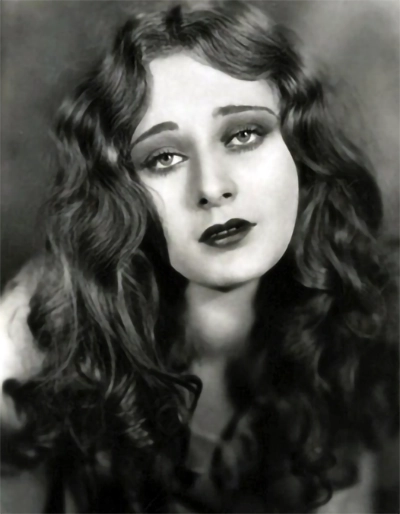
By the mid-1920s, Costello had become one of Warner Bros.’ most prominent leading ladies. Her refined screen presence and understated beauty distinguished her from many contemporaries, earning her the WAMPAS Baby Star honor in 1926. Film publications of the era took notice. Photoplay described her as “one of the loveliest women ever to face a camera” in 1926, while The New York Times praised her “grace and serenity” in Old San Francisco the following year. Costello was celebrated not only for her looks but for a natural acting style that lent her characters authenticity and warmth — a contrast to the theatrical exaggeration common in silent films. She became known as the ‘Goddess of the Silent Screen.’
Lights, camera, Costello
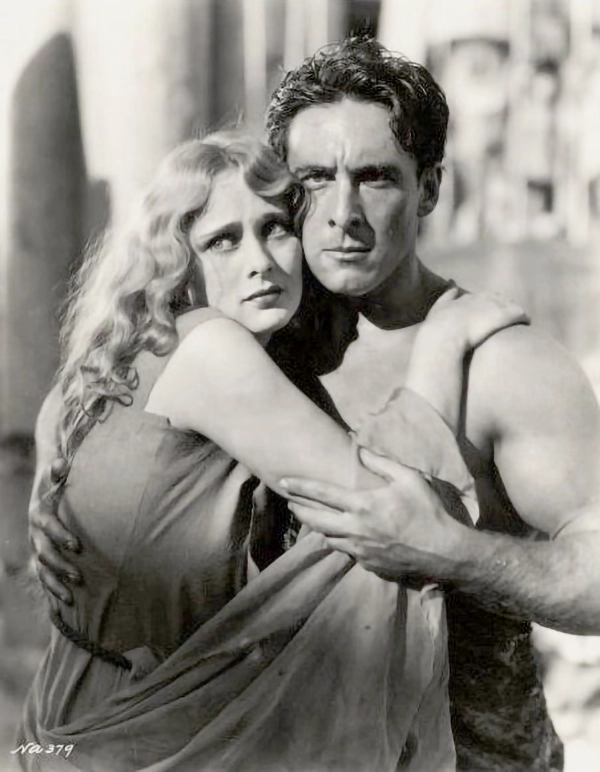
During this time, Costello appeared in dozens of features, including The Sea Beast (1926) opposite John Barrymore, a role that would foreshadow both their professional and personal partnership, and Noah’s Ark with George O’Brien.
Critics often highlighted her subtle expressions and ability to convey emotion without melodrama, qualities that made her one of the era’s most admired leading ladies. Her screen presence helped define the transition from silent to sound films, and she successfully made the leap into talkies — a feat many silent stars could not manage.
A marriage under the spotlight
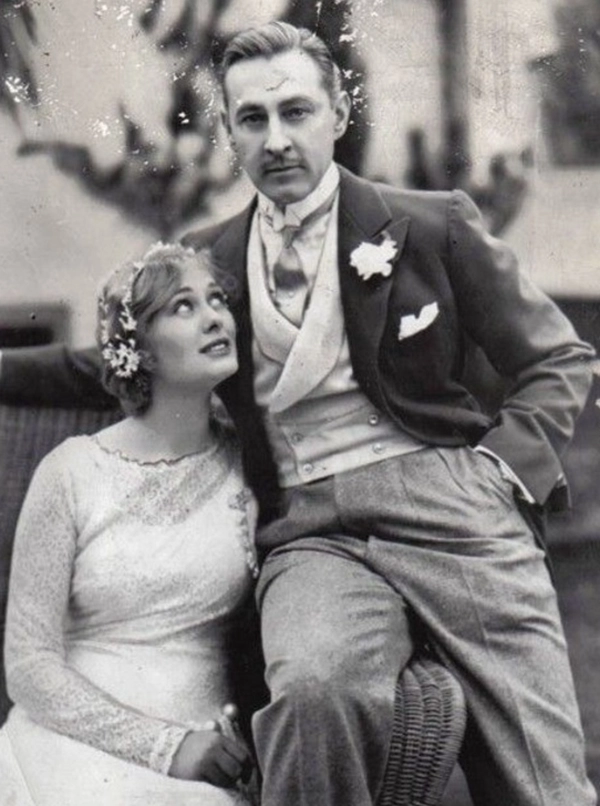
Costello’s personal life became inseparable from Hollywood mythology when she married actor John Barrymore in 1928. The pairing instantly drew attention, uniting two of the era’s most recognizable names.
Barrymore, in publicity accounts circulated widely at the time, spoke glowingly of Costello, describing her as radiant, shy, and unforgettable. While the precise primary source of his remarks remains unconfirmed, the quote was repeatedly published in fan and trade outlets during the late 1920s.
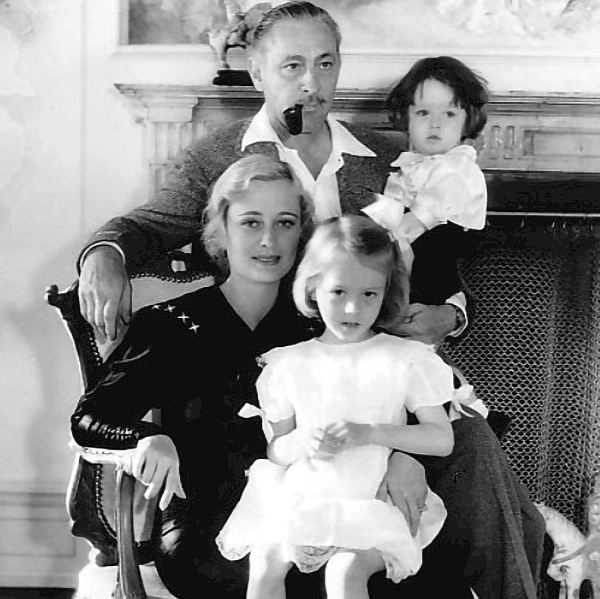
The couple welcomed two children: Dolores Ethel Mae “DeeDee” Barrymore, born April 8, 1930, and John Drew Barrymore, born June 4, 1932. Behind the glamour, however, the marriage was troubled. Barrymore’s alcoholism worsened, and his absences grew more frequent. In 1935, Costello sought and was granted a divorce. Court records reported by The New York Times on Oct. 10, 1935, show that she received custody of the children with $163,000 in securities.
Turning away from Hollywood
Within a few years, Costello began withdrawing from public life altogether. According to the Fallbrook Historical Society, her connection to Fallbrook began in September 1938, when she visited the area with physician Dr. John Vruwink, whom she would later marry. The couple purchased a 40-acre ranch at 1030 De Luz Road in April 1940, planting avocado trees and using the property as a rural escape from Los Angeles.
World War II delayed their plans for permanent relocation. The U.S. Navy requisitioned the ranch for military housing, requiring them to remain in the city. After the war ended, the property was returned, and by the late 1940s, Costello had settled in Fallbrook full-time, effectively closing the door to her acting career.
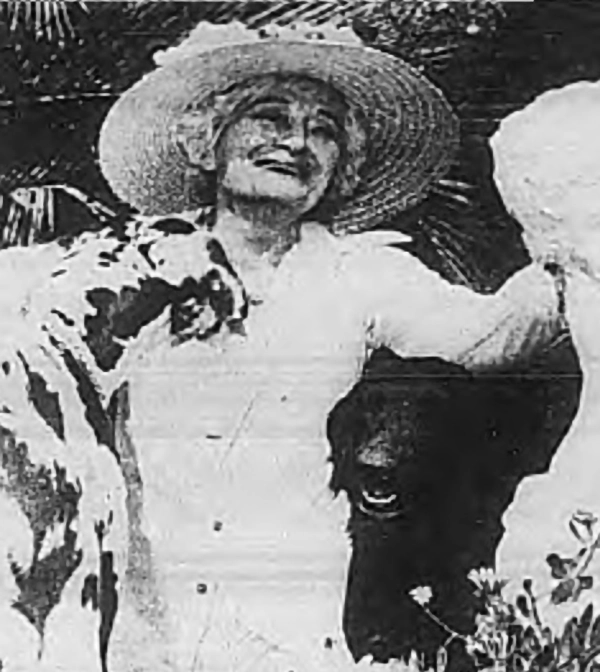
Life beyond the camera
The ranch never became a major avocado producer, but it offered Costello what Hollywood could not: anonymity and stability. Records from the Fallbrook Historical Society indicate that she became deeply involved in local organizations, including St. Peter’s Church, the Fallbrook Woman’s Club, the Fallbrook Children’s Home Society, and Friends of the Fallbrook Library. She served as an area lieutenant for the March of Dimes, participated in community judging events such as Pioneer Days, and maintained long-term membership in the Fallbrook Republican Women’s Club.
Although her films continued to screen at the Fallbrook Mission Theater on Main Avenue, Costello rarely discussed her career publicly. The Historical Society noted that she maintained friendly but discreet relationships with neighbors, choosing involvement over attention.
“Dolores was a private person, but she had cordial relations with her Fallbrook neighbors,” the Society said. “She was often publicly seen volunteering around town.”
Beyond her official volunteer work, Costello’s presence quietly influenced the town’s cultural life. She was known to mentor younger women, attend local theatrical productions, and support library and arts initiatives. Her experience in the film industry gave her a broader perspective, yet she rarely referenced her Hollywood years, preferring to focus on the immediate needs of the community around her. Neighbors recall her modest demeanor, sharp wit, and subtle charm, qualities that endeared her to those who never knew her as a movie star.
Costello maintained connections with her family and the Barrymore children, though she intentionally shielded them from excessive publicity. She valued a life of discretion — a stark contrast to the attention and scrutiny of her Hollywood years.
Final years and loss
Costello lived on the De Luz Road property from 1940 until her death. In March 1978, a flash flood destroyed the home, along with many of her personal belongings and memorabilia. Her grandson, John Barrymore III, later confirmed that the residence no longer exists, though the land itself has since been subdivided.
She died of emphysema on March 1, 1979, at Fallbrook Hospital at the age of 75. Costello was buried at Calvary Cemetery in East Los Angeles, alongside her parents. She is also the grandmother of actress Drew Barrymore, connecting her quietly to Hollywood’s next generations.
Her life encompassed nearly every phase of early American cinema — from child roles in the 1910s, to silent-era stardom in the 1920s, to sound films in the 1930s and early 1940s. Yet it was Fallbrook that became her longest-lasting role. According to the Fallbrook Historical Society, she remained active in clubs and civic life from the 1950s through the 1970s, remembered locally not as a movie star, but as a dependable volunteer and engaged neighbor.
Fast Facts: Dolores Costello
- Born: 17, 1903, Pittsburgh.
- Parents: Maurice and Mae Costello, stage actors.
- Early Career: Child actress in the 1910s; silent-film star in the 1920s; transitioned to sound films in the 1930s.
- Awards: WAMPAS Baby Star, 1926.
- Notable Roles: The Sea Beast (1926), Old San Francisco (1927), The Magnificent Ambersons (1942).
- Marriage: John Barrymore, 1928–1935.
- Children: Dolores Ethel Mae “DeeDee” Barrymore (1930), John Drew Barrymore (1932).
- Notable Family: Grandmother of actress Drew Barrymore.
- Fallbrook Life: Purchased 40-acre ranch in 1940; volunteer and civic leader with church, Women’s Club, Children’s Home Society, library, and March of Dimes.
- Death: March 1, 1979, Fallbrook, California, age 75.
- Burial: Calvary Cemetery, East Los Angeles.
You just read one of our favorite stories. There’s more where this came from — subscribe, and we’ll bring them to you every Tuesday.