For many people, retirement isn’t just the end of busy days—it’s the beginning of better ones. In fact, it’s the first time in years that life finally slows down enough to make room for creativity. Whether you’ve always had an artistic side or you’re discovering one now, creative hobbies can bring purpose, joy, and fulfillment long after the work emails stop coming in.
The best part? There’s no shortage of activities to spark inspiration. So, what are the best hobbies to explore — and which one tops the list? Let’s find out in the article ahead.
1. Photography
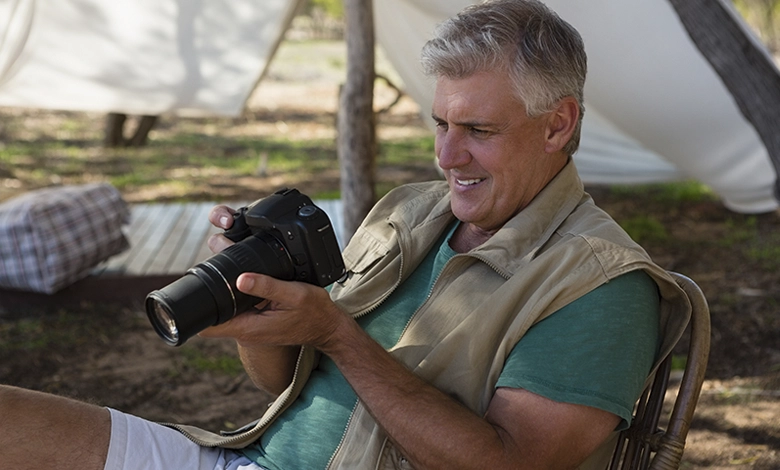
If there’s one creative pursuit that has truly captured hearts post-retirement, it’s photography. Why? Because it combines art, mindfulness, and adventure — all in one.
Photography encourages you to see beauty in ordinary moments, including:
- The way morning light hits your garden,
- The laughter of your grandkids, or
- The colors of a city you’ve finally found time to explore.
In fact, it’s not about taking perfect pictures; it’s about noticing life in detail. Thanks to modern cameras, it’s easier than ever to get started. Retailers like Adorama offer everything from beginner-friendly Nikon cameras to professional-grade options, so you can explore photography at any skill level. Whether you prefer simple automatic settings or want more creative control, today’s camera technology makes it easy to find the right fit as your abilities develop.
Additionally, what makes photography so powerful is that it evolves with you. You can take photos on peaceful solo walks, travel adventures, or family gatherings — each click becomes a personal time capsule. Over time, you start seeing your world differently. That, too, not just through a lens, but through appreciation.
Pro tip: Join a local photo club or online photography group. It’s a great way to learn, stay social, and get inspired by others who share the same creative curiosity.

2. Painting and sketching
You don’t need to be Picasso to enjoy painting. In fact, the act itself is therapeutic. Brushstrokes slow the mind, allowing you to express thoughts that words can’t capture. Hence, start simple:
- A sketchpad
- Watercolors, or
- Acrylics.
Focus on the feeling rather than perfection. Painting encourages mindfulness — a way to quiet your thoughts and channel creativity freely. Many retirees find that painting also reignites childhood curiosity. There’s no deadline or pressure — just color, imagination, and time well spent.
Studies show that painting helps improve cognitive function, hand-eye coordination, and even emotional resilience. So while you’re creating art, you’re also keeping your brain active and healthy.
3. Gardening
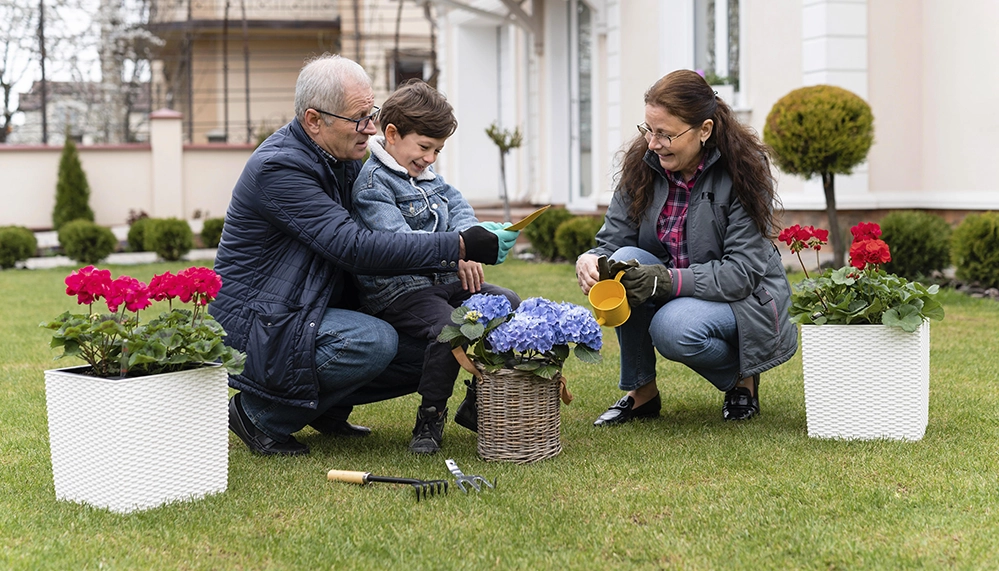
Gardening is another beautiful way to stay creative and connected. It’s not just about plants; it’s about patience, process, and pride. Watching something you nurture grow brings a sense of calm and accomplishment.
For retirees, gardening offers gentle physical activity while also serving as a daily dose of joy. Designing your garden layout, experimenting with colors, or growing herbs and flowers adds a creative edge to your routine.
Plus, it doubles as therapy. Digging in the soil, breathing fresh air, and watching life bloom — these moments remind us of nature’s rhythm and our place in it.
4. Music and learning an instrument
It’s never too late to learn an instrument. In fact, it’s one of the best ways to keep your mind sharp and your mood lifted.
Learning guitar, piano, or even a new digital music skill (like mixing tracks or editing audio) can reignite your passion for rhythm and creativity. It builds patience, discipline, and focus, all while giving you an outlet for emotion.
And if you already play, retirement gives you something you never had before—time. Time to rediscover what music truly feels like when there’s no schedule, no rush, just flow.
Why Photography Stands Out
While all these hobbies are deeply fulfilling, photography clearly stands out. It combines art, movement, mindfulness, and storytelling — all things that make retirement vibrant. Whether you’re traveling, spending time with loved ones, or rediscovering local beauty, photography turns those experiences into lasting memories.
And with the right camera, anyone can explore this art form with ease. The beauty of it lies not in the equipment alone, but in what it helps you notice, details, emotions, and the joy in everyday moments.
In Conclusion
Retirement isn’t about slowing down; it’s about shifting focus, from work to wonder. Creative hobbies help you stay mentally active, emotionally grounded, and joyfully expressive.
So, pick up that brush, plant a seed, write a story — or better yet, grab a camera and capture life in full color. Because this chapter of life isn’t an ending, it’s a masterpiece waiting to be created.
You just read one of our favorite stories. There’s more where this came from — subscribe, and we’ll bring them to you every Tuesday.