
5 Planning Tools That Actually Help You Stay Organized All Year
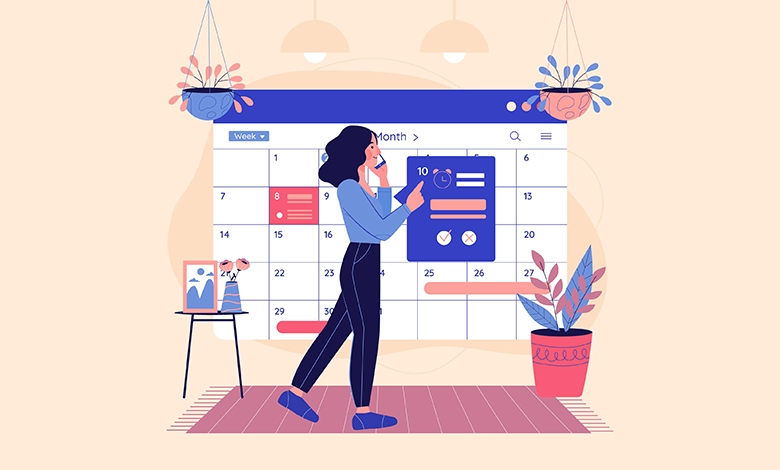
Staying organized isn’t about working harder — it’s about using tools that actually fit your life.
Staying organized sounds simple in theory. But real life rarely follows neat schedules.
Between work deadlines, family responsibilities, personal goals, and unexpected interruptions, even the most motivated people struggle to stay on track year-round. The problem isn’t a lack of effort — it’s using tools that don’t match how you actually plan.
Many planning tools promise productivity, but only a few help you see, manage, and adjust your time realistically. Some are too digital and easy to ignore. Others are too detailed and become overwhelming after a few weeks.
The right planning tools should reduce mental clutter, not add to it. When chosen intentionally, they help you visualize your time, build consistency, and stay flexible without feeling controlled.
Here are five planning tools that genuinely support organization all year long — not just in January.
1. A large visual calendar keeps your whole year in sight
One of the biggest reasons people fall behind on their plans is a loss of visibility. When schedules live inside apps or small planners, it’s easy to forget what’s coming next week — let alone next month.
A large wall calendar can become a powerful organizational anchor. Designed as a full-year planner, it gives you enough space to map out:
- Work deadlines and long-term projects
- Family events, school schedules, and holidays
- Travel plans, goal timelines, and key milestones
Unlike phone calendars or small planners, this type of tool helps you spot conflicts early, balance busy months, and plan realistically. Its size isn’t just for convenience — it reduces mental clutter by eliminating the need to constantly remember what’s coming next.
When planning lives on your wall, it naturally becomes part of your routine.
2. Weekly planning turns big goals into action
While yearly visibility is essential, staying organized also depends on how you handle your weeks. Long-term plans mean very little without a weekly structure.
A simple weekly planner helps bridge the gap between goals and execution.
Effective weekly planning tools focus on:
- Prioritizing 3–5 key tasks instead of endless to-do lists
- Blocking time realistically, not optimistically
- Leaving buffer space for unexpected tasks
The goal isn’t perfection — it’s consistency. A good weekly planner works alongside your main calendar, helping you break large commitments into manageable steps.
This combination reduces stress and prevents that end-of-week feeling of “I was busy but didn’t get much done.”
3. Habit trackers build long-term consistency
Organization isn’t only about events and deadlines — it’s also about routines. Habits like exercising, meal planning, budgeting, or even daily planning itself need gentle reinforcement.
That’s where habit trackers come in.
Simple habit-tracking tools help by:
- Making progress visible and motivating
- Highlighting patterns in missed or skipped routines
- Encouraging small, repeatable actions
Whether it’s a printed tracker, a planner insert, or a minimalist app, habit tools work best when they’re easy to maintain. Overly complex systems often fail after a few weeks.
The best ones quietly support consistency without demanding constant attention.
4. A review system keeps your plans relevant
Even the best planning tools lose value if you never review them. Life changes, priorities shift, and plans need adjustment.
A monthly or quarterly review system helps you stay organized without feeling rigid.
Helpful review practices include:
- Checking what worked and what didn’t
- Adjusting goals instead of abandoning them
- Clearing outdated tasks and commitments
Regular reviews prevent burnout and keep your planning system aligned with real life.
Organization isn’t about controlling time — it’s about responding to it wisely.
5. A Capture system clears mental clutter
One overlooked reason people struggle to stay organized is not having a reliable place to park ideas, reminders, and sudden tasks. When thoughts stay in your head, they compete for attention and create unnecessary stress — even if they’re not urgent.
A simple capture system helps by:
- Giving you one trusted place to note ideas as they arise
- Preventing distractions from interrupting focused work
- Keeping small tasks from being forgotten or causing anxiet
This doesn’t need to be complicated. It can be a notes app, a small notebook or a dedicated section in your planner. What matters is consistency.
When you know there’s a place to write something down quickly, your mind stays clearer, and your planning tools stay effective.
Over time, this habit reduces mental clutter and supports better decision-making. Organization isn’t only about scheduling time — it’s also about freeing your attention so you can focus on what matters most.
The right tools make all the difference
Staying organized all year isn’t about using more tools — it’s about using the right ones.
A strong visual calendar, realistic weekly planning, supportive habit tracking, and regular reviews create a system that works with your life, not against it.
When planning tools are clear, visible, and flexible, they stop feeling like obligations and start feeling like support.
With the right setup, organization becomes less about constant effort and more about clarity, balance, and confidence in how you use your time.
You just read one of our favorite stories. There’s more where this came from — subscribe, and we’ll bring them to you every Tuesday.