
9 Proven Ways to Create a Love of Reading from Infancy
Originally published February 2024 | Updated November 2025


Reading to a baby or young child does far more than fill quiet time—it wires the brain, strengthens emotional bonds, and lays the foundation for lifelong literacy. Research from Ohio State University found that children who are read one book per day hear approximately 296,000 more words by age 5 than children who aren’t read to regularly.
Even before a child can speak or turn a page, the sound of a caring adult reading aloud teaches rhythm, language, security, and delight in stories.
Grandparents and parents play a powerful role: when reading becomes a normal part of childhood from day one, children are more likely to become confident, motivated readers later in life.
Here are nine proven ways to build a love of reading from infancy that lasts a lifetime.
When should you start reading to your baby?
Begin reading from birth or even during pregnancy. The American Academy of Pediatrics recommends starting as early as possible because babies benefit from hearing stories long before they understand words. The rhythm, tone, and closeness of reading together stimulate brain development and create positive associations with books.
“As children grow, invite them to “read” parts back with you, even if they’re simply reciting from memory. This active participation builds engagement, confidence, and reinforces their natural love of learning through stories. By 18 months, many toddlers can “read” familiar books by pointing to pictures and repeating words they’ve memorized.”

Library visits: Building excitement for books
Treat the library as a free treasure house of stories and discovery. Regular library visits teach children that books are abundant, accessible, and meant to be explored.
Let children choose their own books in addition to ones you pick together. Giving them agency in selection helps create excitement and ownership around reading. Even toddlers can point to covers that interest them, and older children can browse independently with gentle guidance.
Many libraries also offer story times, reading programs, and summer challenges that make reading feel social and rewarding. Ask your librarian about age-appropriate programs for infants and toddlers. These early experiences help babies get comfortable with books outside the home.
Building a personal book collection for young readers
One thing common among lifelong readers is the joy of owning books. Help your grandchild or child start a personal collection by favorite author, series, or topics that fascinate them. Not sure where to start? Browse our curated reviews of board books and picture books for ages 0-8 to find perfect first additions to your grandchild’s library
Display these books on a dedicated shelf, in a special basket, or on a low bookcase they can reach themselves. When children see their books treated as treasures worth keeping, reading feels special and valued—not just another task to complete.
Consider gifting books for birthdays and holidays instead of (or alongside) toys. A growing collection becomes a source of pride and comfort as children mature.
Literacy games that make reading fun
Look for board games, digital games, or phone apps that build vocabulary, spelling, and reading skills through play rather than pressure. Games like Scrabble Junior, Bananagrams, Boggle, and word-search puzzles make literacy feel like entertainment, not homework.
For screen time, choose apps that encourage reading through interactive stories, word building, or comprehension challenges. When literacy feels playful, children engage more freely and develop positive associations with words and language.
Start simple with babies: play peek-a-boo with board book flaps, point to and name pictures, or make animal sounds together. These early “games” teach that books are interactive and fun.
Best reading apps and trackers for kids
Apps such as Goodreads allow families to track books already read and create “want to read” lists for future picks. For younger children, parents and grandparents can manage the account together, marking completed books and celebrating milestones.
As children grow, they can use reading apps independently or with friends to stay motivated, discover new genres, and set personal reading goals. These tools make reading feel modern and connected to their digital lives.
Other popular apps include:
- Epic!—A digital library with thousands of children’s books
- Libby—Borrow ebooks and audiobooks from your local library
- Storyline Online—Free read-aloud videos featuring actors
- Hoopla—Stream children’s ebooks, audiobooks, and videos
Children’s magazines that encourage reading
Magazines give children something to look forward to on a regular basis and encourage recreational reading outside of school assignments. Choose a publication matched to their age or interests to keep enthusiasm high.
Popular options include Highlights, National Geographic Kids, Ranger Rick, Cricket, Babybug (for ages 6 months-3 years), and American Girl. Monthly arrivals create anticipation and help children see reading as an ongoing pleasure, not a one-time event.
For infants and toddlers, board book subscriptions like Literati or Bookroo deliver age-appropriate selections monthly, taking the guesswork out of choosing developmentally appropriate books.
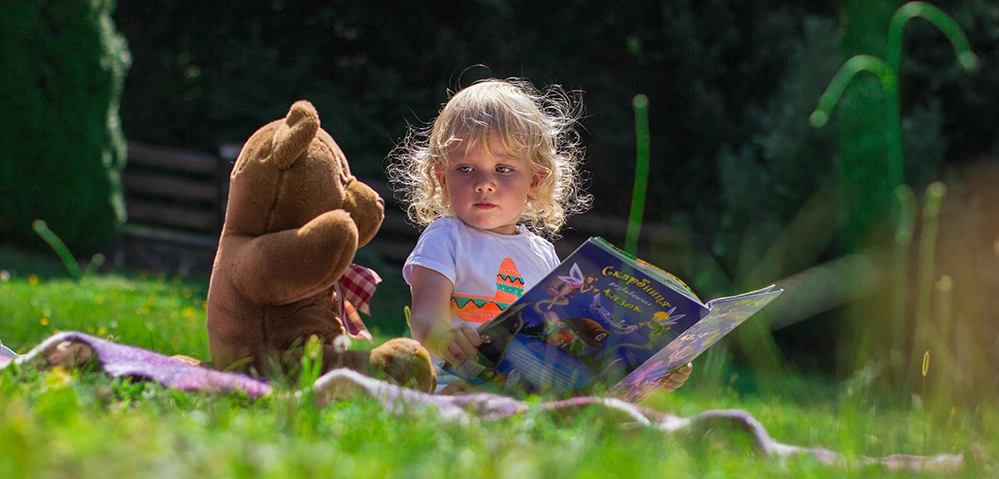
Model reading: The power of example
Children mirror what adults’ model. When they see you read for pleasure and for learning—not only for work or school—you quietly teach that reading is a lifelong habit worth keeping.
Let them catch you reading novels, magazines, news articles, or even recipes. Talk about what you’re reading and why you enjoy it. Share interesting facts or stories you’ve discovered in books. This normalizes reading as something adults genuinely value, not just something they require of children.
Even reading to yourself while holding an infant nearby teaches them that books are part of daily life. Babies watch your facial expressions, hear your voice change with the story, and absorb the calm focus that reading brings.
How do you create a reading space for children?
Designate a quiet, distraction-free corner with good lighting, soft seating (pillows, bean bags, or a small armchair), and books within easy reach. A dedicated reading space signals that reading is a comforting, enjoyable ritual—not a chore.
Let children help decorate their reading corner to make it feel personal. Add a small lamp, favorite stuffed animals, or a reading chart to track books completed. The cozier and more inviting the space, the more likely children are to choose reading over screens.
For infants, keep the reading space simple: a comfortable chair for the adult, good lighting, and a small basket of board books nearby. As children grow, the space can evolve with them—adding floor cushions, a small bookshelf they can reach, or themed decorations.

How to start a children’s book club
If your grandchild or child is interested, a simple book club with peers can make reading feel social and exciting. Find a small group of kids at similar reading levels and meet weekly or monthly to discuss a shared book.
You can host at home or ask local schools or libraries if they offer meeting space. Many public libraries welcome community book clubs and can help promote them to find interested families.
Keep it lighthearted: read together, discuss favorite parts, create related crafts or snacks, and celebrate finishing books as a group. The social aspect turns reading into a shared adventure rather than a solitary task. Discover more creative ways to connect with your grandchildren.
Frequently asked questions about reading to infants
Q: How long should I read to my baby each day?
A: Even 10-15 minutes a day makes a significant difference. Consistency matters more than length. Read during calm moments like before naps, after meals, or at bedtime. As your baby grows, you can gradually extend reading sessions based on their attention span.
Q: What types of books are best for infants and newborns?
A: Choose sturdy board books with high-contrast images (black and white or bold primary colors work best for newborns), simple or repetitive text, and varied textures. Great first books include “Goodnight Moon,” “Brown Bear, Brown Bear,” “The Very Hungry Caterpillar,” and any books with baby faces or mirrors. Avoid books with small parts or paper pages that tear easily.
Q: Do babies actually learn from being read to if they can’t talk yet?
A: Yes! Even pre-verbal babies are learning. Research shows that infants who are read to regularly develop larger vocabularies once they do start talking, recognize more words, and have stronger comprehension skills by kindergarten. The brain is absorbing language patterns, sounds, and word associations long before a baby can speak.
Q: How do I get my baby to pay attention to books?
A: Don’t worry if your infant doesn’t sit still for entire stories. Young babies benefit from even brief exposures to books. Follow their cues: read when they’re calm and alert, use animated voices and exaggerated expressions, point to pictures, let them touch the pages, and keep sessions short (even 2-3 minutes counts!). As they grow, their attention span will naturally increase.
Creating a love of reading from infancy doesn’t require expertise, just consistency, warmth, and a few good books. Reading in infancy is not about teaching babies to decode words. It’s about surrounding children with the warmth, sound, rhythm, and pleasure of language so their brains and hearts are prepared to love books as they grow.
A few minutes a day, repeated over months and years, can ignite a lifelong reader. Start early. Read often. And watch the love of reading take root.
You just read one of our favorite stories. There’s more where this came from — subscribe, and we’ll bring them to you every Tuesday.