
Caring for Aging Parents at Home: A Practical Guide for Adult Children
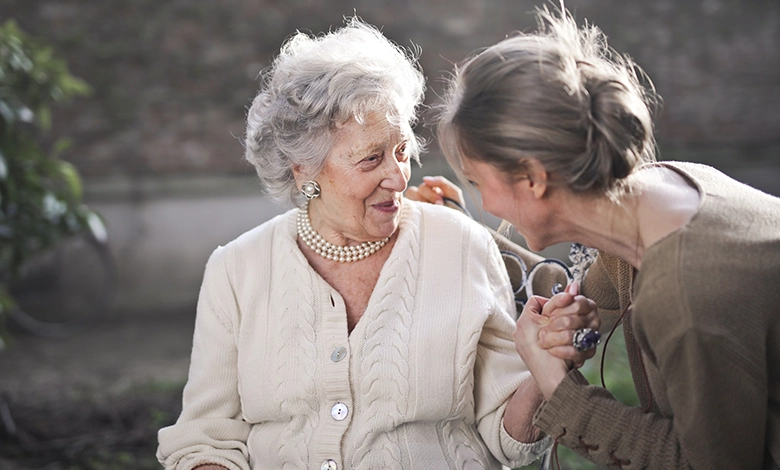
Keeping Loved Ones Safe and Helping You, Too
If you’re reading this, you may already be living it: the slow, sometimes sudden shift from being your parents’ child to being their caregiver. You’re far from alone. More than 53 million Americans now care for an aging or ailing loved one, up nearly 10 million in just five years. For about half, that loved one is a parent.
The love behind that choice is real. So are the logistics. Caring for aging parents at home means trading crisis management for planning, and that shift from reacting to preparing protects both your parent and you. Consider this your roadmap.
Start with an honest assessment, then make the home safe
Good care begins with a clear-eyed look at what your parent can and can’t do safely. Aging often affects mobility, vision, and judgment, and a house they’ve lived in for decades can quietly become an obstacle course. The numbers are sobering: the CDC reports that one in four adults 65 and older falls each year, and falls are the leading cause of injury, both fatal and nonfatal, in that age group.
That is why home safety for seniors is the first priority. A few changes make an outsized difference:
- Lighting: brighter bulbs in hallways and motion-sensor nightlights reduce nighttime stumbles.
- Bathroom: grab bars by the toilet and in the shower, plus non-slip mats. This is where many falls occur.
- Clear paths: remove throw rugs and cords, and clear clutter that can catch on a cane or walker.
Keep a few basic first aid and wound care kit on hand, too. In older adults, thinner skin and slower healing mean a small scrape or skin tear can become a serious infection, so being able to clean and dress a minor wound at home is both a comfort and a safeguard. When you’re thinking through home safety for seniors, that kit belongs on the list.
Let telehealth save you the drive
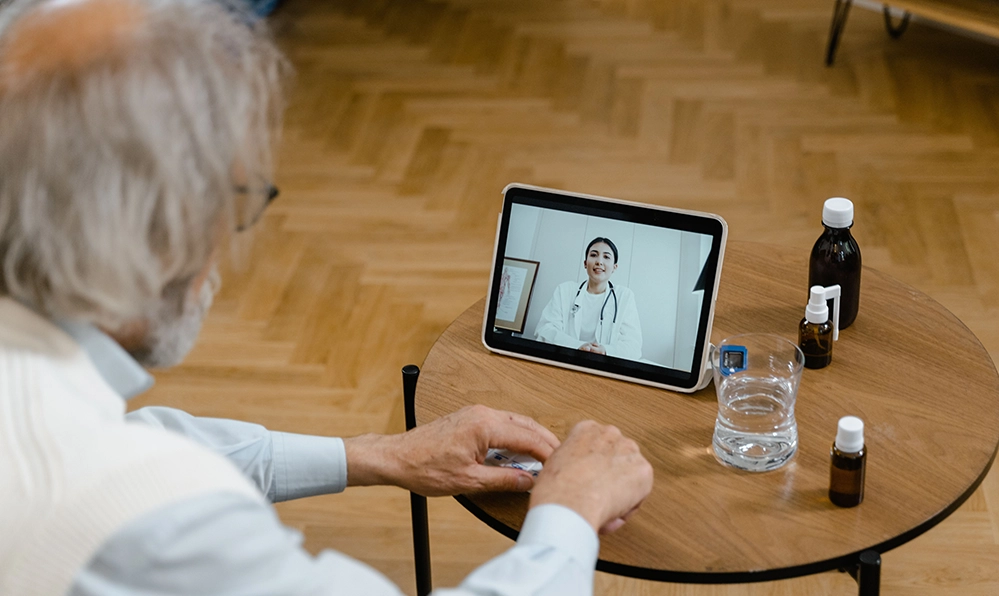
Helping a frail parent into the car for every routine appointment is exhausting and often unnecessary now. Telehealth has changed that: Medicare telehealth visits jumped 63-fold during the pandemic, according to the U.S. Department of Health and Human Services, and the convenience has thankfully stuck.
Video visits handle a great deal — medication reviews, mental health check-ins, and follow-ups with specialists — all from the living room. For a parent with dementia, or anyone for whom travel is taxing, that is meaningful relief.
Remote monitoring adds another layer. Smart scales for heart patients, wearable fall detectors, and simple activity trackers create a quiet safety net, letting you keep an eye on the essentials without hovering. Sometimes the data flags a problem days before you would have noticed it yourself.

Build a routine, and guard against caregiver burnout
The hardest part of caregiving usually isn’t the tasks. It’s the toll. The Family Caregiver Alliance estimates that 40 to 70 percent of family caregivers experience clinically significant symptoms of depression. Caregiver burnout isn’t a character flaw or a sign you aren’t doing enough; it’s a predictable medical risk, and the goal is to get ahead of it.
Structure helps on both sides of the relationship.
- Keep everything in one place. A single binder or app with medications, dosages, insurance details, and a running log of symptoms saves you during home care, at every appointment, and in every emergency.
- Build a predictable rhythm. Parents, especially those with memory changes, do better with consistency. Steady mealtimes and medication times lower anxiety for them, and for you.
- Use respite care without guilt. A home health aide a few hours a week or an adult day program isn’t a luxury; it’s maintenance. You can’t pour from an empty cup.
- Tap into local resources. Your local Area Agency on Aging connects you with meal delivery, transportation, and more, often at no cost.

You don’t have to do this alone
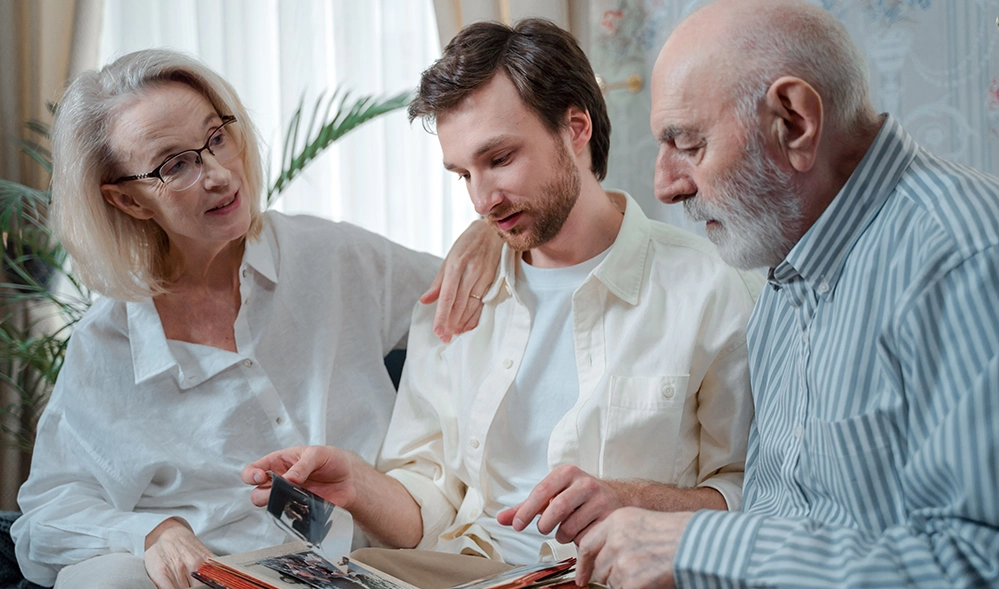
Caring for an aging parent at home is one of the most loving things a person can do, and one of the hardest. But it was never meant to be a solo act. When you adapt the home, use digital tools, accept help, and protect your well-being, the daily experience shifts from constant worry to steady, prepared support.
Preparation is the real safeguard against falls, burnout, and 2 a.m. emergencies. With the right information, the right supplies, and a network of people and resources behind you, you protect your own health while giving your parent something priceless: the dignity of being cared for at home by someone who loves them.
Your questions about caring for aging parents at home, answered
How do I make my parents’ home safe?
Start with the rooms where falls are most likely. Good home safety for seniors usually means brighter lighting and motion-sensor nightlights, grab bars and non-slip mats in the bathroom, and clear, clutter-free walking paths free of throw rugs and cords. Keeping basic wound care supplies on hand helps you handle minor injuries before they become infected.
What are the signs of caregiver burnout?
Caregiver burnout often shows up as exhaustion that sleep doesn’t fix, irritability, withdrawing from the people you love, trouble concentrating, or a creeping sense of hopelessness. Because 40 to 70 percent of family caregivers report significant symptoms of depression, these signs are common and treatable. Respite care, a support network, and talking to your doctor are the first steps.
Where can I find help caring for aging parents?
You don’t have to coordinate everything yourself. It’s OK to seek help. Your local Area Agency on Aging offers meals, transportation, and respite referrals; Medicare’s GUIDE program supports families navigating dementia care; and a home health aide or an adult day program can provide you with regular, scheduled relief. The earlier you build that network, the more sustainable caring for aging parents becomes.
You just read one of our favorite stories. There’s more where this came from — subscribe, and we’ll bring them to you every Tuesday.