Orchids: Discover Nature’s Exotic Masterpieces
Did you know that orchids coexisted with dinosaurs? According to researchers publishing in New Phytologist, orchids originated in Eurasia and first appeared between 66 and 100 million years ago. I have always found these alluring blossoms exotic. Now I know why.
Some orchids remain genuine treasures. The Rothschild’s slipper orchid is among the rarest slipper orchids in the world, found only in Borneo’s rainforests, and it features dramatic petals over a foot long. A single plant can fetch thousands of dollars on the black market. The Cattleya Mendelii, a stunning beauty from Colombia and Venezuela, has been prized by collectors since the Victorian era.
But you don’t need a rare specimen to enjoy these ancient plants. The orchids at your local grocery store share the same remarkable heritage—and with the right care, they’ll thrive in your home.
A diverse species
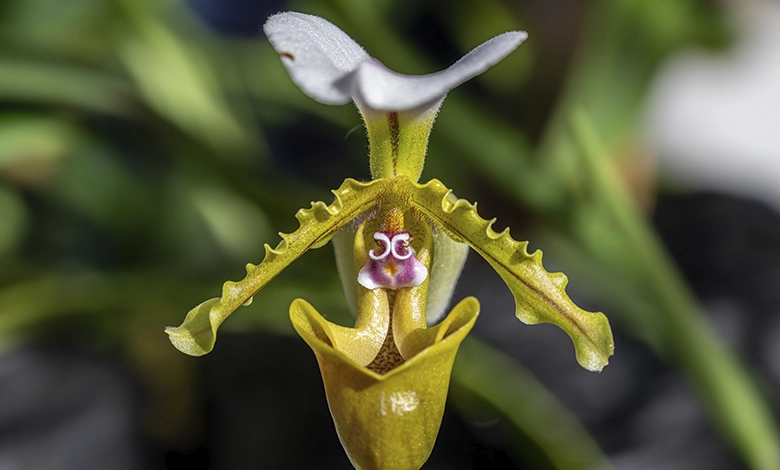
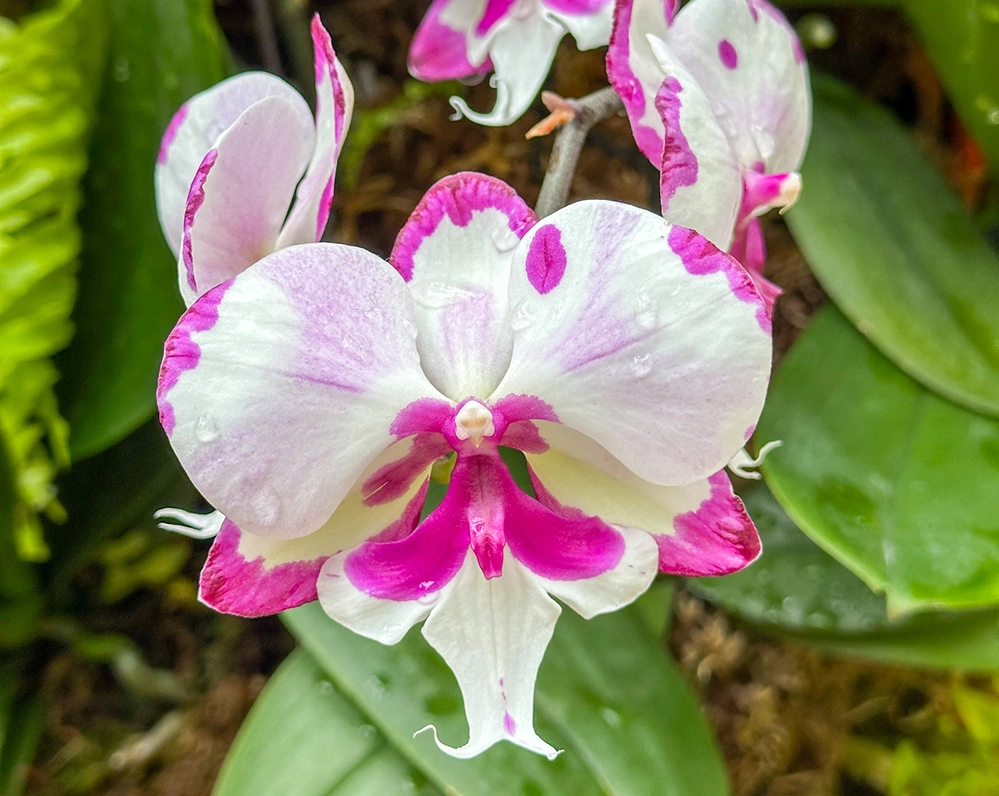
Orchids are among the largest families of flowering plants, with over 30,000 wild species. Interest in orchids has led to the development of over 100,000 hybrids. According to Robert Travers, President of the Maryland Orchid Society, “Most everyone is familiar with the Phalaenopsis species.” You’ll see this “butterfly orchid” in grocery stores, garden centers, hotel lobbies, and more. Slipper orchids, like the Paphiopedilum Spicerianum, offer a more exotic look with their pouch-shaped blooms.
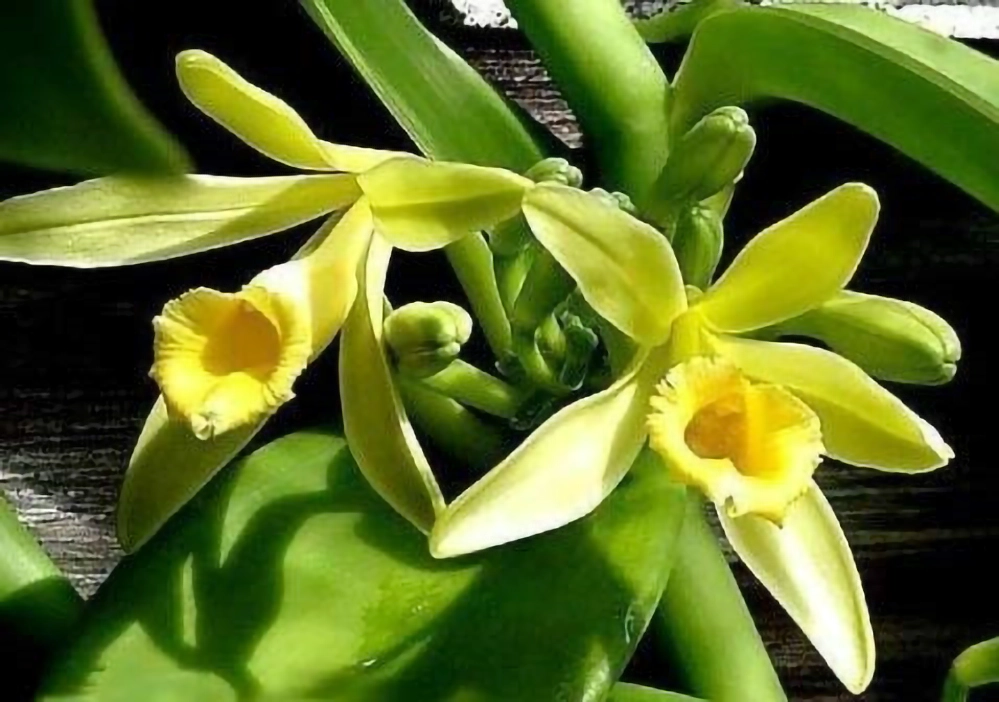
However, ancient cultures valued orchids for their practical uses rather than their beauty. China and Japan used orchids for medicinal purposes. The Aztecs extracted vanilla from the planifolia varieties. Perfumers also utilized their fragrances. Eventually, orchids became a symbol of luxury and elegance.
Orchids are intelligent
Some orchid species resemble the shape and odor of bees. According to Dr. Irina Druzhinina, their design attracts male bees, which then transfer pollen to other orchids as they attempt to mate with the female flower.
Orchid seeds don’t contain the ingredients needed to grow. The seeds derive their nutrients from fungi. This parasitic relationship allows young orchids to grow without soil.
Why are orchids so loved?
Beyond their functional attributes, people love orchids because they are seen as exotic, difficult to grow, and associated with money. However, Travers notes that the mass production of clones and large-scale greenhouse operations make orchids affordable and of high quality for everyday households.
How to buy orchids
As mentioned above, orchids don’t always need soil, and in their natural habitat can be found in tropical treetops. Some are terrestrial and grow in cooler regions. For orchid enthusiasts, they are now easy to find in many places.
When buying, look for bright, clear, firm green leaves. Variegated leaves are not a sign of poor health, though. Avoid plants with yellowing leaves, mushy stems, or a sour smell from the potting medium.
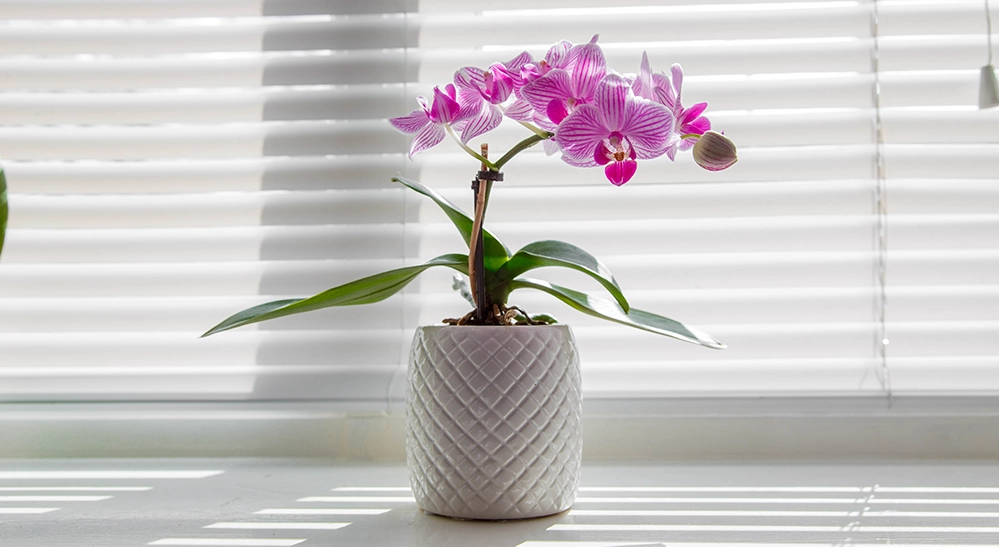
Before you purchase, consider where you’ll place the plant. With so many varieties, some plants need room to grow because they are tall and branching. Other species are compact and better suited to your windowsill.
Tips on orchid care
I love orchids, but I have never had success growing them. My editor has the same problem. So, I asked Robert Travers for his tips for caring for orchids.
- Consider how much light the plant needs. In Maryland, where I live, Phalaenopsis thrives in conditions similar to those of African Violets, but it prefers a shady porch or a spot under a tree in the summer.
- Keep the flower buds facing the light. In nature, the plant is attached to a tree and always faces the same way. If you constantly rotate the plant, you’ll alter its presentation.
- Water your orchid with tepid water and always allow it to drain completely before placing it back in its container. Most orchids do well with watering once every 7-10 days, allowing the potting medium to dry between waterings.
- Avoid the temptation to overwater, as it is the most common reason orchids fail. In addition, Travers recommends avoiding ice cubes for watering, as they can also cause overwatering.
- A good test: stick your finger an inch into the potting medium. If it feels dry, water thoroughly. If it’s still moist, wait a few more days.
Where to experience orchids in full bloom
You don’t need to buy an orchid to enjoy them. Orchid shows are my favorite way to see all the colorful varieties.
The New York Botanical Garden hosts one of the best orchid shows on the East Coast. The theme changes each year and typically runs from February to April. Last year’s show, Modern Modernism, blew me away.
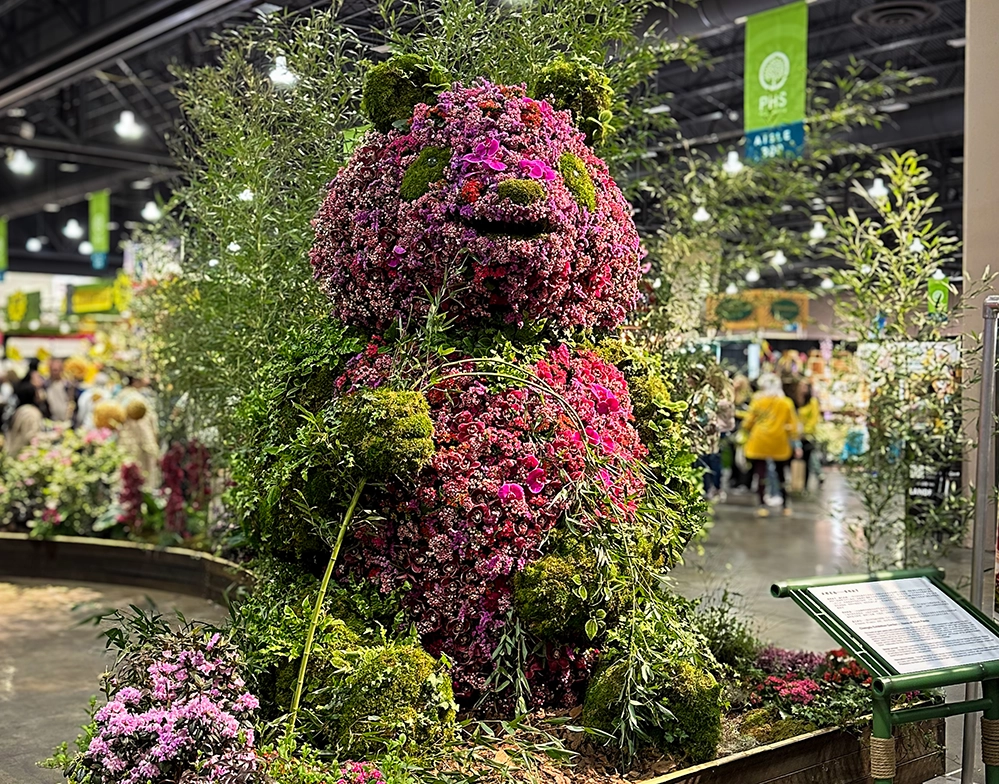
The Philadelphia Flower Show, the nation’s largest and longest-running horticultural event, features incredible flower displays that incorporate orchids into their designs. In addition, you can see award-winning orchid entries from individual growers.
Rawlings Conservatory in my hometown of Baltimore also hosts an orchid show each January, featuring members of the Maryland Orchid Society.
Attending orchid shows is a great way to talk to experts and get a little boost of the tropics during the winter months and beyond.
Frequently asked questions about orchids
Here are answers to common orchid care questions.
Can orchids grow without soil?
Yes. Many orchids are epiphytes, meaning they grow on trees rather than in soil. Their roots absorb moisture and nutrients from the air and rain. This is why orchid potting mix typically contains bark, moss, or other loose materials rather than traditional soil.
Should I use ice cubes to water my orchid?
No. While this method is popular, experts advise against it. Ice cubes can shock orchid roots with cold temperatures and may contribute to overwatering if they melt slowly.
Do orchids need direct sunlight?
No. Most orchids prefer bright, indirect light. Direct sunlight can scorch their leaves, causing brown or yellow patches. An east-facing window or a spot with filtered light works well.
How long do orchids live?
With proper care, orchids can live for decades. Some orchid plants have been documented to live more than 100 years. Even after the blooms fade, the plant continues to grow and can rebloom year after year.
When do orchids bloom again?
Most Phalaenopsis orchids rebloom once or twice a year, typically in late winter or early spring. After the blooms drop, cut the spike just above a node and continue regular care. A slight nighttime temperature drop can help trigger new blooms.
Ready to try again
Maybe I’ll never own an expensive Rothschild’s slipper orchid, but after talking with Travers, I’m ready to try again with a humble Phalaenopsis from the garden center. There’s something satisfying about nurturing a plant whose ancestors outlived the dinosaurs.
And this time? I won’t overwater it.
You just read one of our favorite stories. There’s more where this came from — subscribe, and we’ll bring them to you every Tuesday.