Today’s protest movement in America is taking me back to the Vietnam War era, as we mark the 50th anniversary of the war’s end throughout 2025. As a freshman college-age student, I was confronted to make a choice about Nixon’s 1970 Cambodian invasion and about the Kent State shooting of students on May 4, 1970. Was I for or against the war? Was I supposed to do something about my choice—one way or the other?
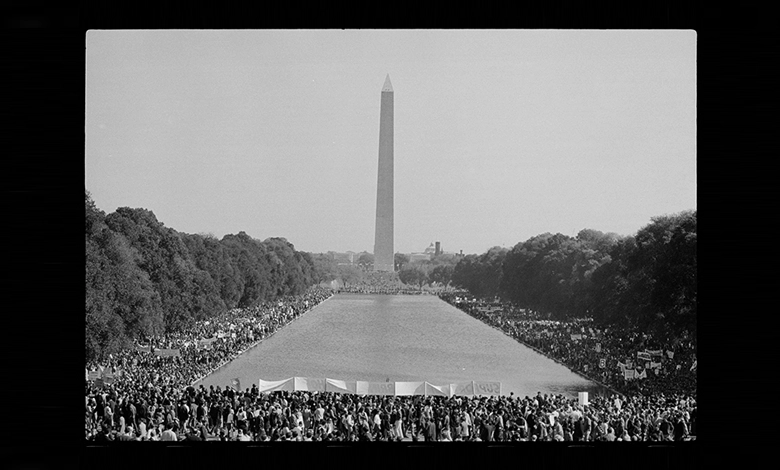
The answer for me came when friends asked me to hitchhike with them to Washington, D.C. to protest those May events in what turned out to be a mass march of about 100,000 demonstrators. With others I unrolled my sleeping bag the night before under the Washington Monument before learning what to do if tear gassed. Since we were “camping out,” I had brought food and water with me to get through what I remember as a very hot and humid day.
Sleeping under the Washington Monument
I woke up to a protestor challenging the police not to raise the flags around the monument but was relieved that the confrontation did not get out of hand. I remember speeches given by one of the Berrigan brothers (a priest and anti-war activist) as well as others whose names are now lost in memory. I do recall, however, the buses used to block us from getting too close to the White House and the people who dipped into the reflective pool to cool off. I, however, stayed dry because I didn’t want to walk around in wet jeans. Those same jeans had to get me home.
Later, I wrote about the experience for my college newspaper. I also worked with my fellow hitchhikers to shut down the university for a teach-in, which, at the time, was a participatory discussion oriented toward action as faculty and students both were a part of the conversation.
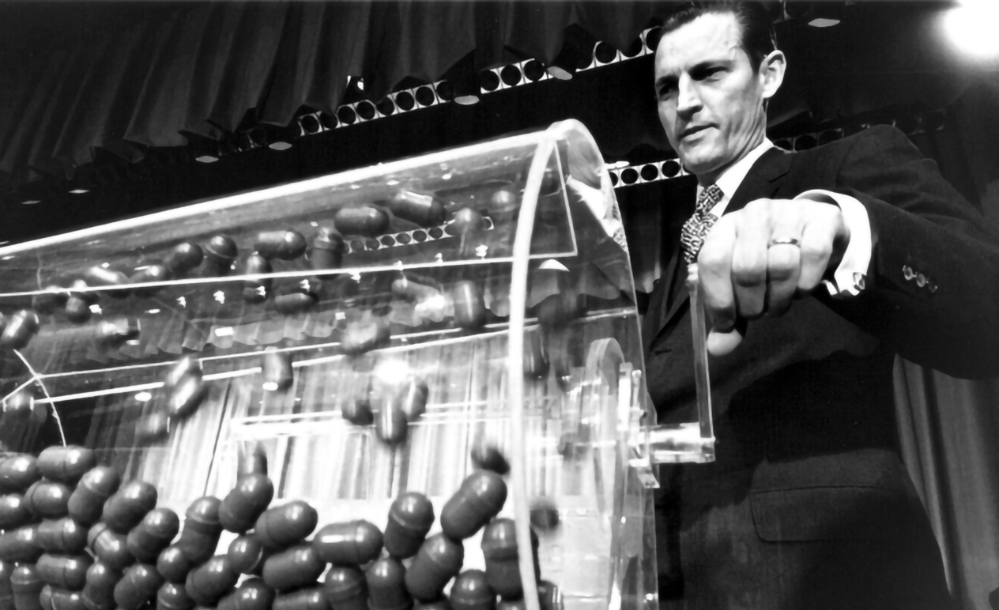
The night Jerry’s number was called
My war worries were just beginning, however, as my very good friend, Jerry, experienced a draft lottery involving his birth year. Morally, Jerry could not go to Vietnam to kill in what he believed was an unjust war. If drafted, his decision would be jail or Canada, but as a 20-year-old, he struggled with his path forward. I sat up with him the night numbers were called as he sweated and paced the room.
That night he dodged a bullet when he drew a high number. He didn’t have to make a decision changing the trajectory of his life forever. He may have dodged a bullet, but those at Kent State didn’t when Guardsmen’s bullets started flying at home.
I used my Vietnam War protest experience later in my teaching career as fellow teachers and I put together a video for students exploring all sides of the war—the soldiers, the silent majority and the protestors. We wanted a teach-in of sorts that went beyond the history in textbooks. We wanted the students to feel as we felt when we faced a moral dilemma that would define our future. To hear veterans share their own stories in their own words, the Dartmouth Vietnam Project offers oral histories that bring multiple perspectives to life.
Today’s impossible choices
I also think about how a lack of a draft today isn’t forcing young people into life-or-death decisions made by previous generations. The closest parallel is that of National Guard men and women (mostly 30 and under) who may be facing a similar impasse. The units are made up of people who every day go to work, attend to families, and share with others in like-minded neighborhoods until they are called up. They then put on their military fatigues to respond mostly to natural disasters, helping those very neighbors when needed. But a potential conflict emerges: Are they a neighbor first or a soldier first? Are they only defined—one way or another—by the uniform they wear on any given day?
What I worry about is the moral conflict they face, if and when, they are ordered to go against their basic human values when wearing civilian clothes. They don’t tote guns around their own neighborhoods. They also don’t check in to mow grass of an elderly neighbor when they are on duty. So, has anybody asked them their feelings about turning a gun on their fellow countrymen? Do they suffer themselves as to what is right, especially if commanded to raise those guns against Americans during a heightened protest?
I wonder what young Guardsmen would do today. Will they look at protestors as their neighbors or as their enemies when conflict ensues, as the odds play out they inevitably will? They may be fellow citizens, but they may not have an option to disobey orders when they have a mortgage and family to feed. Do they have to suffer a fate that would scar them one way or another if they shoot or don’t shoot? Do their families have to suffer?
Some actions are “unnecessary, unwarranted, and inexcusable” according to the Kent State official commission. History should be a lesson for all of us. God help them to make the right decisions, so they won’t have to go to jail or Canada. There’s enough PTSD in this country in this 50th year anniversary.
This personal memoir reflects the author’s experience during the Vietnam War era. Read more perspectives from our fyi50+ community.
You just read one of our favorite stories. There’s more where this came from — subscribe, and we’ll bring them to you every Tuesday.