
How to Create a Self-Care Routine That Supports Emotional and Physical Well-being

Self-care has become a popular term, but in reality, it’s something much deeper than treating yourself to a spa day or lighting a scented candle.
True self-care is about creating habits that support both your emotional and physical well-being. It helps you feel balanced, energized, and more at peace in your daily life. Whether you’re juggling work, family, or endless responsibilities, having a routine you can depend on makes everything feel more manageable.
The challenge is that self-care often gets pushed to the bottom of the list. Many adults wait until they’re exhausted, overwhelmed, or nearing burnout before recognizing the need for better habits.
But caring for yourself doesn’t have to take hours or require complicated rituals. Even small, intentional choices can help you feel stronger emotionally and healthier physically. Having said that, here’s how you can build a self-care routine that supports your whole self — inside and out.

Emotional self-care: Habits that ground your mind
Emotional well-being is the foundation of any self-care routine. When your mind feels steady, you’re better able to handle stress, make decisions, and show up fully in your everyday life. This doesn’t mean ignoring hard feelings — it means giving yourself room to process them in a healthy way.
Some grounding emotional-care habits include:
- Journaling to release thoughts instead of holding them in.
- Limiting social media when you feel overwhelmed.
- Practicing deep breathing or mindfulness throughout the day.
- Checking in with your emotions instead of pushing through them.
- Setting boundaries with people or commitments that drain your energy.
These small practices help you slow down mentally and reconnect with how you’re truly feeling. Over time, emotional self-care helps reduce stress, supports better sleep, and improves your ability to manage challenges.
Physical self-care for long-term wellness
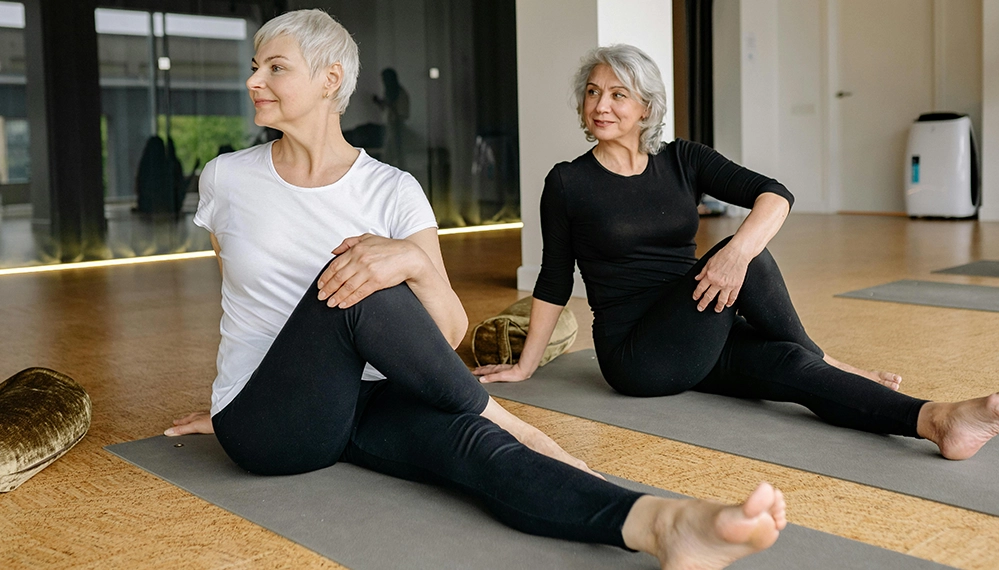
Physical well-being doesn’t require intense workouts or strict routines. It simply means taking care of your body so it can support your lifestyle comfortably and consistently. When your physical health is nurtured, your mood, energy, and focus naturally improve.
You can support your body through:
- Gentle daily movement like walking, stretching, or yoga.
- Staying hydrated and eating foods that give you steady energy.
- Getting enough sleep so your body has time to recover.
- Taking breaks during the day instead of pushing through fatigue.
- Paying attention to signals like soreness, headaches, or low energy.
Physical self-care also includes preventive wellness. Many adults blend their wellness routine with professional support, such as visiting a hormone and aesthetics clinic in Virginia Beach. Reputable clinics like Fountain of You MD help individuals understand how factors like hormone balance and overall rejuvenation play a role in how they feel day-to-day. These supportive services are not about vanity — they’re about helping the body function comfortably and confidently over time.
Creating a consistent approach to physical self-care helps you feel grounded, stable, and more capable of enjoying your daily routine.

Simple self-care rituals to reduce stress
Not every habit has to be practical — some should simply make you happy. Joy is an underrated part of well-being, and adding small feel-good moments to your routine can have a powerful effect on your emotional balance. That’s why, consider:
- Starting your day with music you love.
- Drinking your favorite tea in silence.
- Taking a few minutes to sit outside and breathe fresh air.
- Reading something uplifting before bed.
- Keeping a hobby that helps you relax, such as art, gardening, or journaling.
These ‘micro-moments’ of joy shift your mood, ease stress, and help your body relax. When emotional and physical tension decreases, you sleep better, think more clearly, and approach each day with more patience and creativity.
How to build a realistic self-care routine
A self-care routine only works when it fits into your real life. Many people try to build complicated schedules filled with long workouts, strict meal planning, meditation sessions, and daily journaling — and then feel guilty when they can’t keep up.
Instead, your routine might look like:
- A 10-minute stretch.
- Drinking water first thing in the morning.
- A quick walk after dinner.
- A few minutes of quiet time.
- One uplifting habit you enjoy.
What matters is consistency, not perfection. The goal is to make your life easier, not add pressure to do more. By choosing habits that fit naturally into your schedule, you stay committed without feeling overwhelmed.
Creating a self-care routine that supports emotional and physical well-being doesn’t require dramatic changes. It simply takes small, intentional choices that help you feel more grounded, energized, and connected to yourself.
When you take care of your mind, support your body, and add joyful moments throughout the day, you build a lifestyle that feels fulfilling instead of stressful. With time, these habits strengthen your resilience, boost your confidence, and improve the way you show up in every part of your life.