Your plants will reward you beautifully
You plant and tend your garden to enjoy a bountiful harvest and beautiful blooms. And yet, despite proper planning and planting, insects can move in and wreak havoc.
The good news is you can manage problem pests without harming the pollinators so important to your garden.
Start by reviewing the care your plants need to thrive. Make sure you are watering thoroughly — and only when needed. Consider mulching the soil with shredded leaves, evergreen needles, or other organic material to conserve moisture, moderate soil temperature, suppress weeds, and improve the soil.
Only fertilize if needed. Overfertilization, especially with high nitrogen and fast release products, can stimulate lush, succulent growth that is more susceptible to insect damage.
Let your plants, not the fertilizer label, be your guide. Pale plants and others not performing as expected may need a nutrient boost.
Consider a low nitrogen, slow-release fertilizer that won’t stimulate lush, succulent growth, or damage the plants when the weather is hot and dry.
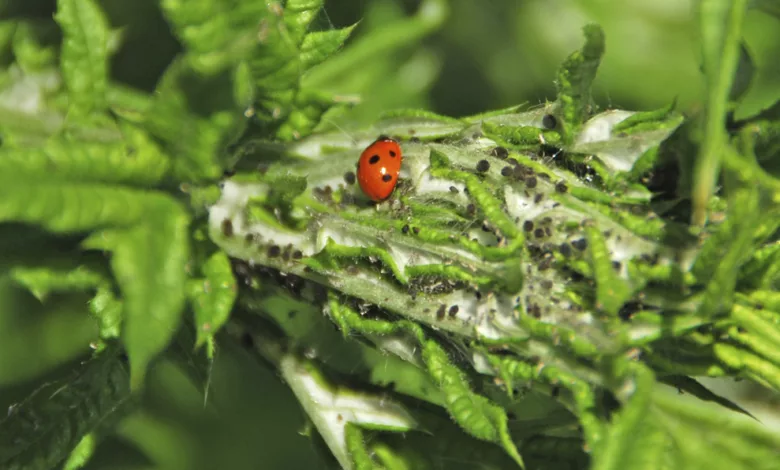
Tolerate a bit of damage. Allow songbirds and beneficial insects, like lady beetles and green lacewings, to manage some pests for you.
If the damage is more than you can tolerate, consider using an eco-friendly control product, like lightweight horticulture oil, such as Summit’s Year-Round Spray Oil.
Horticultural oils have been used for many years because they are low risk and effective against a variety of pests. They block the air holes through which insects breathe, making oils effective against all stages of the insect’s development from egg to adult.
The oil must contact the insect to be effective. If a beneficial insect lands on a treated plant, it will not be injured. Avoid treating plants when bees and other beneficial insects are present, so you do not accidentally spray them with the oil.
Horticultural oil can also help reduce the incidence and spread of aphid-transmitted viruses because it interferes with insect feeding. They can also help manage powdery mildew on plants; some can even be applied when plants are dormant to smother and kill overwintering mites and aphids, as well as egg masses of pests like the gypsy moth.
Always check the package label before using any product, whether organic, natural, or synthetic. You will find valuable information, there, including application rates and directions for the best results.
Monitor your garden throughout the summer. Watch your plants grow, make timely harvests, and uncover insect pests when the populations are small and much easier to manage.
Once the insects are gone — or, at least, managed — you will enjoy the beauty of your garden even more.
You just read one of our favorite stories. There’s more where this came from — subscribe, and we’ll bring them to you every Tuesday.