
Life doesn’t stop throwing curveballs after 50. Physical, mental, and spiritual resilience determine not only whether you bounce back but also how strong you come back.
Life has a way of testing us — at every age. A health scare, the loss of someone close, a career shift we didn’t see coming, or simply the accumulation of daily stresses that wear us down over time. None of us is immune.
But here’s what separates those who get knocked down and stay down from those who get back up: resilience. Resilience is the capacity to recover from the challenges we face in life — not just getting back on your feet, but how quickly and how well you do so.
We can’t always control our circumstances. We can’t shield ourselves from every difficult situation. But we can cultivate mental, physical, and spiritual toughness so that when life hits hard, we’re ready. More importantly, we can come back even stronger than before.
How to build physical resilience
Your body is your foundation. When it’s strong, everything else — your energy, your confidence, your ability to handle stress — follows.
After 50, physical resilience isn’t about running marathons or lifting heavy weights (unless that’s your thing). It’s about consistency, recovery, and paying attention to what your body needs.
Stay active in ways that matter.
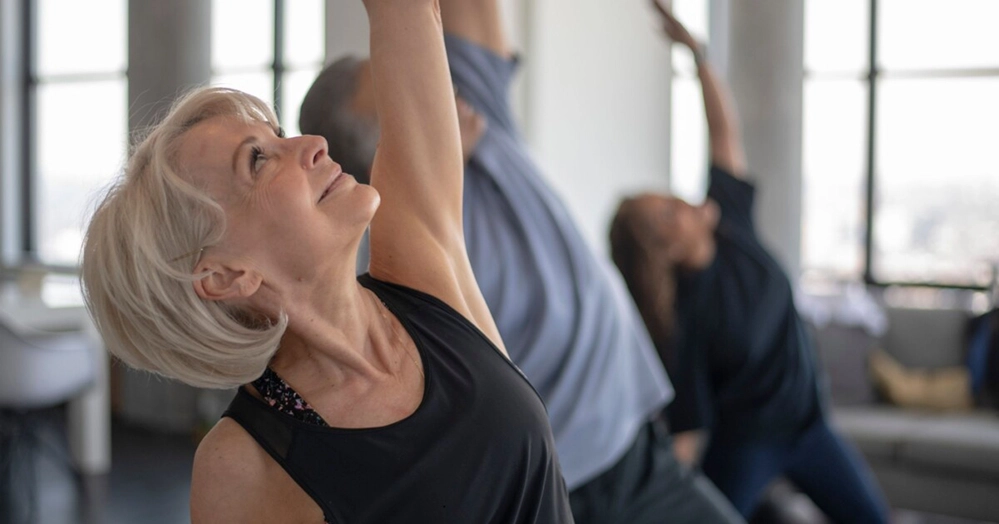
Strength training is one of the most important things you can do as you age. It builds muscle, supports bone density, improves balance, and reduces the risk of injury. Even two to three sessions a week with light weights or resistance bands makes a measurable difference. Walking, swimming, yoga, and stretching all help your body absorb life’s physical shocks and recover faster.
Prioritize sleep.
This is the one most people underestimate. Poor sleep affects everything — mood, immune function, cognitive clarity, and your ability to cope with stress. If you’re waking up tired, address it. Consistent bedtimes, limiting screen time before bed, and keeping your room cool and dark are small changes that pay off enormously.
Fuel yourself well.
Nutrition after 50 isn’t about dieting — it’s about giving your body what it needs to repair and stay resilient. Protein supports muscle maintenance, anti-inflammatory foods reduce chronic aches, and staying hydrated is more important than most people realize. Think of food as the raw material your body uses to bounce back.
Don’t skip recovery.
Resilience isn’t just about pushing through — it’s about knowing when to rest. After illness, injury, or even an emotionally draining week, give yourself permission to recover fully before charging ahead.
How to build mental resilience
Mental resilience after 50 is how you process what life hands you. It’s not about ignoring difficult feelings or forcing positivity — it’s about developing the tools to navigate hard things without losing yourself in them.
Watch what you feed your mind.
This goes beyond limiting exposure to negative news, though that matters too. Pay attention to the conversations, media, and environments you spend time in. Are they energizing or draining you? Surround yourself with input that inspires curiosity, creativity, and hope.
Practice reframing.
When something goes wrong, the story you tell yourself about it matters as much as the event itself. Reframing doesn’t mean pretending everything is fine — it means asking, “What can I learn from this?” or “What part of this can I control?” That shift in perspective is one of the most powerful resilience tools available.
Stay curious and keep learning.
Mental stagnation is the enemy of resilience. Learning something new — a language, an instrument, a skill, or a subject that fascinates you — keeps your mind flexible and adaptable. Flexibility is the heart of resilience.
Build and lean on your support network.
Resilience doesn’t mean going it alone. The people around you — friends, family, community — are a safety net. Don’t wait until you’re in crisis to strengthen those connections. Invest in relationships during the good times so they’re there during the hard times.
Practice mindfulness.
You don’t need to meditate for an hour. Even a few minutes of being fully present — noticing your breathing, feeling your feet on the ground, and pausing before reacting — builds the mental muscle to stay grounded when life gets chaotic.
How to build spiritual resilience
Spiritual resilience after 50 is about having something to anchor you when everything else feels uncertain. It doesn’t require a specific religion or belief system — it requires a sense of meaning, purpose, and connection to something larger than yourself.
For some, that anchor is faith. For others, it’s nature, community, creative expression, or a personal philosophy about how they want to move through the world. What matters is having a core foundation you can return to when things get difficult.
Build your practice consistently — not just in hard times.
Whether it’s prayer, meditation, journaling, spending time in nature, or acts of service, spiritual resilience grows through regular practice, not emergency use. Think of it as flexing a muscle so it’s strong when you need it most.
Find meaning in difficulty.
This may be the hardest part of resilience — but also the most powerful. When we can look at a painful experience and find meaning in it, even if it takes time, we transform suffering into growth. That doesn’t minimize the pain. It gives it purpose.
Practice gratitude.
Do this not as a platitude but as a genuine daily practice. Noticing what’s good — even small things — rewires how your brain processes the world. Over time, gratitude becomes a lens, not just an exercise, and that lens makes you more resilient in the face of hard times.
Putting it all together
Resilience isn’t a single skill — it’s a combination of physical strength, mental flexibility, and spiritual grounding that work together. When one area is weak, the others carry more weight. When all three are strong, you’re prepared for almost anything.
You will face challenges. That’s not a question. The question is whether you’ll have built the foundation to recover, adapt, and keep moving forward.
The good news? Resilience isn’t something you either have or don’t. It’s something you build — at any age, from wherever you stand right now.

More about building resilience after 50
How do you build resilience as you get older?
Building resilience after 50 begins with strengthening three areas: physical health through consistent movement, good nutrition, and quality sleep; mental health through reframing challenges, staying curious, and maintaining strong social connections; and spiritual health through a personal practice that offers meaning and grounding. Resilience isn’t fixed — it grows through intentional, daily habits.
What are the signs of low resilience?
Low resilience often shows up as prolonged difficulty recovering from setbacks, feeling overwhelmed by everyday stressors, withdrawing from social connections, chronic fatigue despite adequate rest, or a persistent sense of hopelessness after difficult events. If these patterns feel familiar, small steps—reconnecting with a friend, adding a daily walk, or practicing five minutes of mindfulness—can help rebuild your capacity.
Why is resilience important for mental health after 50?
After 50, life often brings significant transitions — retirement, health changes, loss of loved ones, shifting relationships. Resilience is what determines whether these transitions become setbacks or catalysts for growth. Strong resilience protects against anxiety and depression, supports cognitive health, and helps maintain a sense of purpose and identity through life’s inevitable changes.
Start where you are. Build what you can. The strength you need is already in you — resilience just gives it room to grow.
You just read one of our favorite stories. There’s more where this came from — subscribe, and we’ll bring them to you every Tuesday.