Your cat spends a third of her waking hours grooming herself. Here’s why that still isn’t enough.
We all know cats are meticulous self-groomers—spending up to a third of their waking hours keeping themselves picture-perfect. So it might seem odd to consider taking your fur baby to a professional cat groomer. But here’s the thing: even the most fastidious feline can’t reach everywhere. And as the companions who’ve become family age, a little professional pampering isn’t just nice—it’s necessary.
Whether you share your home with a spry young tabby or a dignified senior who’s been by your side for years, the benefits of cat grooming go far beyond a shiny coat. Let’s explore why this might be one of the best gifts you can give your four-legged family member.
Why your cat needs a little help
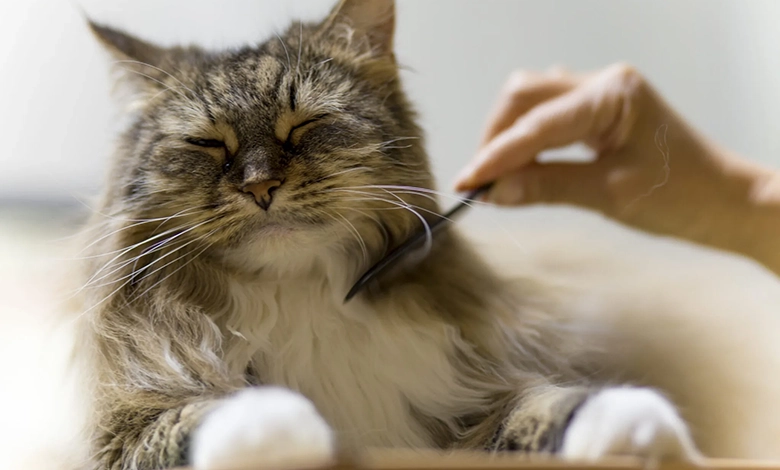
Watch your cat groom sometime—you’ll notice they’re remarkably flexible, but even the most agile kitty has blind spots. The back, the base of the tail, behind the ears—these areas accumulate oils, dander, and loose fur that can lead to matting, skin irritation, and discomfort.
For senior cats, the challenge grows. Arthritis affects an estimated 90% of cats over age 12, making those yoga-like grooming stretches painful or impossible. You might notice your older companion’s coat looking a bit dull or unkempt—not because they’ve stopped caring, but because their body simply won’t cooperate anymore. That’s when a professional cat groomer becomes not a luxury, but a loving necessity.
The health benefits of professional pampering
Taking your cat for regular grooming offers advantages that go far beyond appearances. Here’s what it can do for your feline friend:
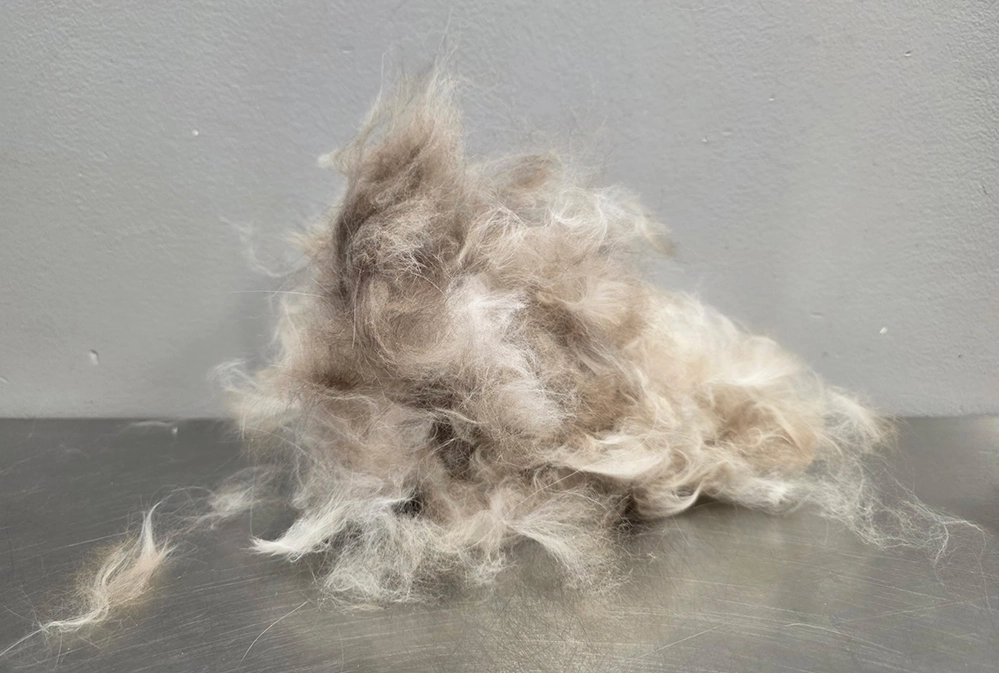
Fewer painful mats and tangles
Matted fur isn’t just unsightly—it hurts. Mats pull at delicate skin, restrict movement, and create warm, moist hideaways where bacteria love to grow. Senior cats with thinning skin are especially vulnerable; their tissue can actually tear when mats are tugged. A skilled groomer knows how to safely remove tangles without causing injury, and regular appointments prevent mats from forming in the first place.
Reduced shedding and fewer hairballs
Regular cat bathing and brushing removes loose fur before your cat swallows it during self-grooming. The payoff? Fewer hairballs—and less cat hair decorating your furniture, clothes, and, well, everything. If anyone in your household has allergies, professional grooming can significantly reduce dander and make life with your feline more comfortable for everyone.
Early detection of health concerns
One of the most valuable benefits of cat grooming is what groomers discover beneath all that fur. These trained professionals notice lumps, bumps, skin irritations, and parasites that might escape your attention at home. Catching fleas, ticks, or suspicious growths early can mean the difference between a simple treatment and a serious health crisis. Think of it as an extra set of loving, watchful eyes on your fur baby.
Healthier skin and a gorgeous coat
Cat bathing with professional-grade, cat-safe shampoos removes excess oils, dirt, and allergens that build up over time. The brushing that accompanies grooming stimulates natural oil production and spreads it evenly throughout the coat. The result? Healthier skin, a coat that practically glows, and one very comfortable kitty.

Why older cats deserve extra pampering
If your feline companion is seven years or older, grooming becomes even more important. Our senior cats face unique challenges that make professional care particularly valuable.
Their skin loses elasticity with age, becoming thinner and more delicate. What might cause minor discomfort in a young cat can lead to tearing and bruising in a senior. A professional cat groomer understands these vulnerabilities and adjusts their touch accordingly, gentle hands for our gentle elders.
Many older cats also develop conditions like diabetes, heart disease, or kidney issues that require careful handling. A skilled groomer works in shorter sessions, keeps stress to a minimum, and watches for any signs of distress. Some even offer mobile services, bringing the spa experience right to your door so your senior cat can be pampered in familiar surroundings.
This isn’t about vanity; it’s about quality of life. A well-groomed senior cat is more comfortable, less prone to skin infections, and easier to monitor for health changes. After all the years of purrs and companionship, don’t they deserve a little extra TLC? Especially when you consider what they’re doing for you in return— including protecting your aging brain
Tips to prepare your cat for their spa day
A little preparation goes a long way toward making grooming a positive experience for your feline friend. Here’s how to set them up for success:
Get them comfortable with handling.
In the weeks before the appointment, gently touch your cat’s paws, ears, and tail during cuddle time. Reward them with treats and praise. This helps them accept a stranger’s touch more easily.
Practice carrier time.
Leave the carrier out with a cozy blanket inside so it becomes a familiar, safe space rather than a scary box that only appears for vet visits. Toss in a few treats occasionally.
Keep them calm before the visit.
A relaxed cat is easier to groom. Try to schedule appointments during your cat’s naturally mellow times—usually mid-morning after their post-breakfast nap.
H3: Skip the meal right before.
Feed your cat a few hours before the appointment, not right before. A slightly empty tummy reduces the chance of car sickness and makes treat rewards more appealing.
Bring comfort items.
A small blanket or towel that smells like home can help soothe an anxious cat. Some groomers welcome these familiar items.
Communicate with your groomer.
Share any health concerns, sensitive spots, or quirks about your cat’s personality. The more they know, the better they can tailor the experience to your fur baby’s needs.
What happens during a grooming appointment
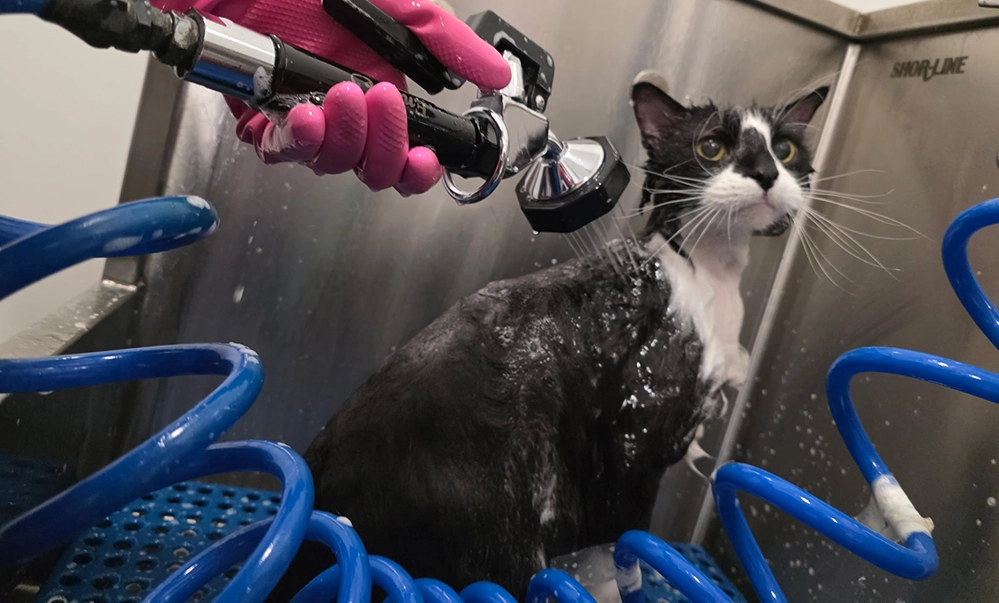
A full professional grooming session typically includes brushing or combing to remove loose fur and tangles, a gentle bath with cat-appropriate shampoo, nail trimming, ear cleaning, and sometimes a sanitary trim around the hindquarters. The entire process usually takes 30 minutes to an hour, depending on your cat’s coat and temperament.
Worried your cat won’t cooperate? Here’s a secret: many cats who fight their owners’ grooming attempts actually relax with professionals. Groomers are trained to handle nervous or spirited felines, and the neutral environment often helps cats accept handling they’d refuse at home. Your little drama queen might surprise you.
For cats who truly can’t tolerate the salon experience, mobile groomers bring their services to your driveway. And for severely matted or extremely anxious cats, some veterinary clinics offer sedated grooming—a safe option when nothing else works.

How often should you book an appointment?
For most cats, professional grooming four times a year—think seasonally—keeps their coat in tip-top shape. Between visits, regular brushing at home maintains all those benefits. Long-haired beauties like Persians or Maine Coons may need monthly professional attention, while short-haired cats can often stretch longer between appointments.
Trust your instincts and pay attention to your individual cat. If you notice matting, excessive shedding, a dull coat, or your fur baby struggling to groom themselves, it’s time for professional help. Your cat will thank you—probably with a slow blink and a contented purr.
What cat parents need to know
How much does professional cat grooming cost?
Professional cat grooming typically costs $50 to $100 per session, depending on your location, your cat’s coat length, and the services included. Long-haired cats and severely matted coats may cost more. Mobile grooming services usually add $15 to $30 for the convenience of home visits.
Can I groom my cat at home instead?
Absolutely! Regular brushing at home is wonderful for your cat. However, professional groomers offer skills most of us don’t have—safely removing mats, properly trimming nails, and thoroughly cleaning ears. A combination of home brushing and occasional professional visits works best for most cats.
What if my cat hates water?
Most cats aren’t fans of water, and groomers know this! Professional groomers use techniques to minimize stress, including warm water, gentle handling, and quick but thorough bathing. Some offer waterless grooming options using specialized foams and wipes for cats who simply can’t tolerate baths.
How do I find a good cat groomer?
Ask your veterinarian for recommendations, read online reviews, and visit the facility beforehand if possible. Look for groomers who specialize in cats or have specific feline training—cats have different needs than dogs. Trust your instincts: a good groomer will answer your questions patiently and genuinely care about your cat’s comfort.
Should I sedate my cat for grooming?
Sedation should be a last resort, reserved for severely matted cats or those with extreme anxiety that makes grooming dangerous. If sedation is needed, it should only be done by or in consultation with a veterinarian. Most cats can be groomed without sedation by an experienced, patient groomer.
The bottom line
Your cat may think they’ve got this whole grooming thing under control, but a little professional help goes a long way—especially as they age. The benefits of cat grooming extend far beyond a pretty coat: healthier skin, earlier detection of health issues, fewer allergens in your home, and a more comfortable, happier companion.
Whether your feline friend is a curious youngster or a wise senior who’s shared your life for years, regular grooming is an investment in their wellbeing—and a beautiful way to show them just how much they’re loved.
You just read one of our favorite stories. There’s more where this came from — subscribe, and we’ll bring them to you every Tuesday.