Chasing Stars: The Rise of Astrotourism
Saturn’s rings hovered around a ball of light right in front of my eyes thanks to the high-powered telescope. My husband and I were bundled up against the chilly September air in Yellowstone National Park for a Night Sky Program hosted by a park ranger. In addition to the park’s magnificent wildlife and geysers, we discovered the joy of the landscape in the sky.
What is Astrotourism?
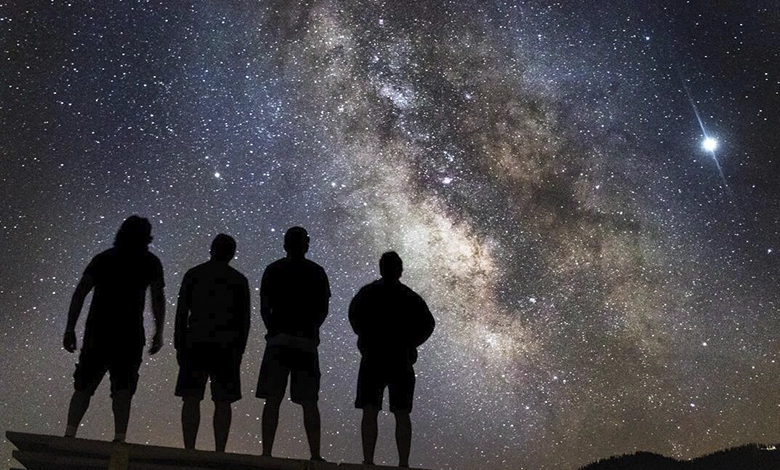
Astrotourism involves traveling to experience a celestial object or event, observe the night sky, or attend an astronomy event, such as a solar eclipse. Due to light pollution, approximately 80% of North Americans are unable to see the Milky Way. That means one may need to travel to a dark sky location or an observatory to appreciate a starry sky.
Why are so many people interested in astronomical events? According to Harry Heckathorn, a retired astrophysicist who runs Night Sky Tours at Blackwater National Wildlife Reserve, spectacular high-resolution astronomical imagery captured by the Hubble and Webb Space Telescopes has sparked public interest.
He believes there’s a yearning to see these objects first-hand, such that enthusiasts will visit faraway places for the opportunity.
Finding star parties near you
Checking out the cosmos need not be a faraway destination. You may be able to get started at a local observatory or astronomy club. A quick search for ‘star party’ on the internet led me straight to events sponsored by the Howard Astronomical League located in the county where I live. I can gather with like-minded night sky fans with no fancy telescope or plane ticket required.
Understanding dark sky places and light pollution
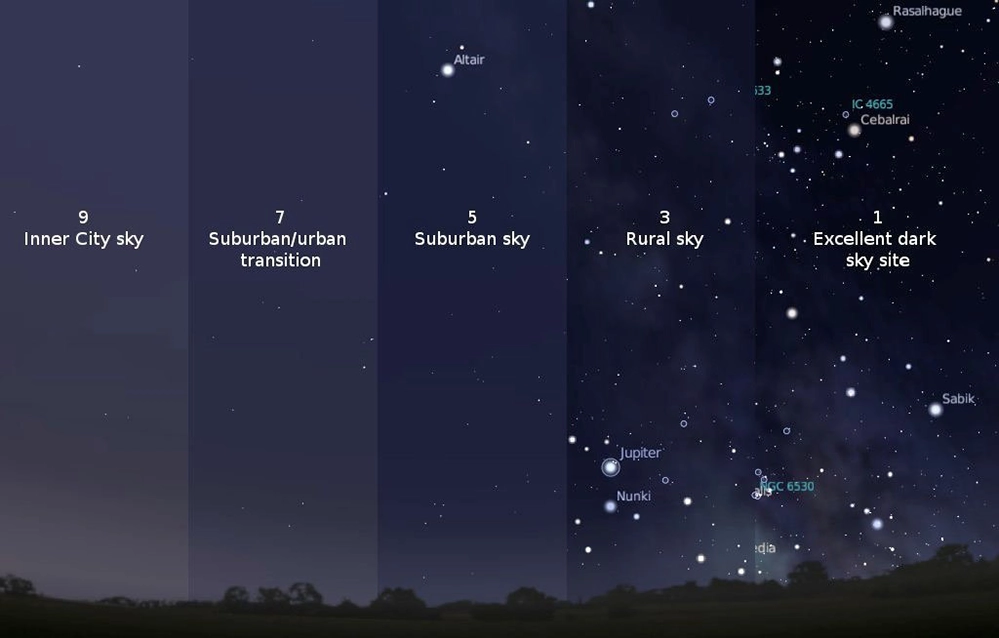
A dark sky location means the natural darkness at the destination remains relatively free from interference from artificial light. Light pollution’s impact goes beyond diminishing the night sky. Glare from man-made light can disrupt the behavior of nocturnal animal species that use darkness to hunt. Excessive lighting, which is brighter than necessary, wastes money and contributes to environmental degradation through increased atmospheric carbon dioxide levels.
The International Dark-Sky Association aims to protect the nighttime environment through advocacy, education, and the certification of Dark Sky Places. Tucson, Arizona, is home to some of the best dark sky practices in the United States. The region features observatories, an Astro Trail, and Saguaro National Park, which has been designated as an Urban Night Sky Place. You’ll notice the difference just driving at night with the reduced lighting from the city’s installation of adjustable, energy-efficient LED streetlights.
Guided astronomy tours and Northern Lights adventures
Road Scholar, which specializes in learning-based tours, has seen an enrollment increase of 68% for astronomy programs in 2025. These night sky adventures head to the Arctic and National Parks like Big Bend and the Grand Canyon. They also offer a classroom experience at a university.
Cruises and tour companies offer the chance to chase the Northern Lights, also known as the Aurora Borealis. Northern destinations, such as Alaska and Iceland, are consistently popular choices for viewing the Northern Lights. My husband and I traveled via an Icelandair Northern Lights Package. Fortunately, the conditions were just good enough to see this astrological phenomenon.
As mentioned above, National Parks offer opportunities to experience dark skies. Blackwater National Wildlife Refuge has invested in a Schmidt-Cassegrain telescope for its Night Sky Tours.
What’s next in the night sky?
According to NASA, about 1.5 million people watched a live broadcast of the 2024 solar eclipse. The excitement from that event has certainly inspired travel for the 2026 solar eclipse, which will occur on August 12, 2026.
According to Harry, “There’s always something interesting going on in the sky.” Check out the 2025 Events Calendar at Go Astronomy for future night sky events.
Julie Dee Suman is a Maryland-based travel writer and award-winning photographer with extensive experience across 47 countries on six continents. She focuses on nature and wildlife excursions. Suman contributes to Wander with Wonder and has been featured in Roadtrippers Magazine, Go World Travel, Rovology, and Extended Weekend Getaways. She is a member of the Travel Writers Café and IFWTWA.