
How Music Helps People with Dementia Remember
Why music therapy and familiar activities unlock joy, memory, and connection in dementia care

Before country music legend Glen Campbell became a star, he was recognized as one of the elite studio musicians, having played on recording sessions with such icons as Frank Sinatra and Elvis Presley. For about a year, he was also a member of the Beach Boys.
What many remember most, though, is how Glen Campbell continued to perform well into the later stages of his dementia journey. He showcased his remarkable talents and personality even in the midst of dementia, continuing to nurture his purpose and musical brilliance despite his condition.
His fans didn’t object when he occasionally forgot lyrics or lost track of where he was—because he still dazzled everyone with his intricate guitar work and melodic voice. Instead, the audience responded with loving appreciation for the genius that still shone through his music.
His story proves what we see every day in dementia care: dementia may change how someone communicates or interacts, but it doesn’t erase who they are.

Why does music help people with dementia?
Music connects us to our memories, identity, and past relationships. For people living with dementia, music creates opportunities for reminiscence—reconnecting them with earlier memories and experiences in ways words alone cannot.
When familiar songs play, something beautiful happens. People tap their feet, get up to dance, hum along, or sing. They smile. A video of Elvis or Frank Sinatra isn’t just entertainment; it’s an emotional memory—a bridge to the past.
These moments can evoke feelings of fondness, comfort, happiness, and connection. The resulting positive emotional state can linger for hours, shaping the rest of the day and even carrying over into the next.
Music therapy in action
At the James L. West Center for Dementia Care, caregivers and life enrichment teams integrate music therapy into daily routines for residents and Senior Day Program participants.
Smiles appear on faces when they experience a recorded performance. The music awakens something—a spark of recognition, a moment of joy, a connection to who they’ve always been.
This isn’t about “bringing someone back.” Music simply helps us meet them where they are, tapping into the parts of their identity that still shine.

What other activities spark joy for people with dementia?
Music is just one of many tools that can awaken joy in people living with dementia. At the James L. West Center, we often see moments of clarity and happiness sparked by:
- Creative expression – Drawing or painting can awaken sensory memories in those who once found joy in art, gardening, or crafts.
- Cooking and familiar scents – The aroma of gingerbread, roasted turkey, or even freshly baked cookies can transport someone back to warm holiday memories with family from years past. They often recall specific fond moments from their youth.
- Games and play – Simple board games, checkers, or puzzles can evoke treasured memories and spark engagement.
- Television classics, vintage magazines, and familiar keepsakes – Whether it’s the sound of a familiar theme song, the pages of a well-worn magazine, or the sight of a once-favorite household item, these sensory cues can spark recognition and connection.
How shared memories spark joy in dementia care
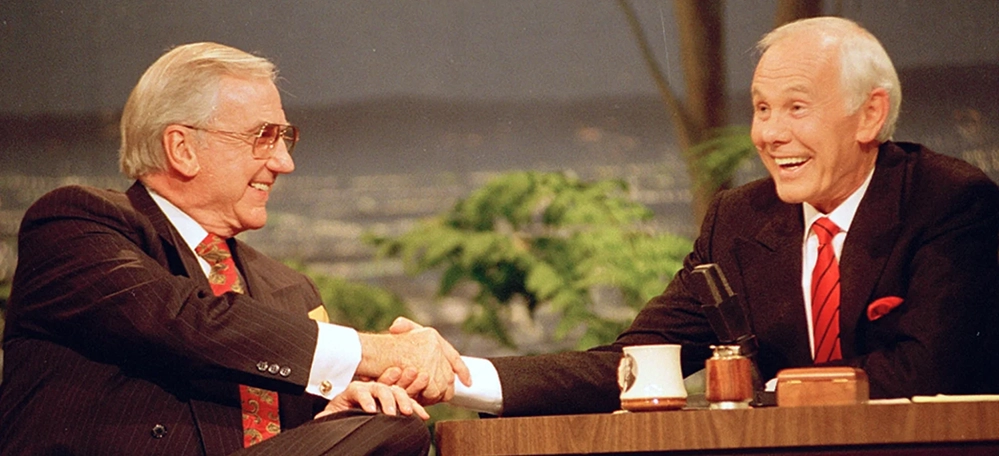
A recent visit to the James L. West Senior Day Program found over 40 participants eagerly watching reruns of “The Tonight Show with Johnny Carson.”
When announcer Ed McMahon concluded his introduction with, “Heeeeeeeere’s Johnnnnnnnny,” the crowd erupted, gleefully shouting, “Heeeeeeeere’s Johnnnnnnnny,” along with him. Their faces wore huge smiles, and they laughed as if they were sitting in the audience.
They were able to reminisce about a time of happiness and laughter, which brought feelings of joy and satisfaction.
These experiences don’t “bring someone back” because they never truly left. Instead, they help us meet the person where they are and tap into the parts of their identity that still shine through.

The person is still there
A person with dementia is not a problem to be solved. They are someone to be loved and nurtured—a life to be honored and supported.
With the right approach, families can experience magical, joy-filled moments, even in the face of change. Whether through music, shared laughter, familiar aromas, or simple daily rituals, these moments affirm the enduring humanity of everyone living with dementia.
For families navigating this journey, support is available. The James L. West Center for Dementia Care offers residential care, a Senior Day Program, respite care, and caregiver education to help families create meaningful moments at home and beyond.
You just read one of our favorite stories. There’s more where this came from — subscribe, and we’ll bring them to you every Tuesday.