
A new study links grandparent caregiving to better memory, sharper language skills, and slower cognitive decline — especially for grandmothers.
The next time your adult kids ask you to watch the grandchildren, go ahead and say yes. It turns out that babysitting your grandkids doesn’t just make you the favorite grandparent — it may actually keep your brain healthier as you age.
A study published in the journal Psychology and Aging found that grandparents who provided any form of childcare for their grandchildren scored higher on memory and language tests than those who didn’t. For grandmothers specifically, the cognitive benefits were even more pronounced — women who cared for their grandchildren experienced slower cognitive decline over time.
What the research found
Researchers from Tilburg University in the Netherlands analyzed data from nearly 2,900 grandparents over age 50 (average age: 67). Participants reported whether they had provided childcare in the past year, ranging from helping with homework and cooking meals to overnight stays and driving to school, and completed cognitive tests measuring memory and verbal fluency. The study tracked participants three times between 2016 and 2022.
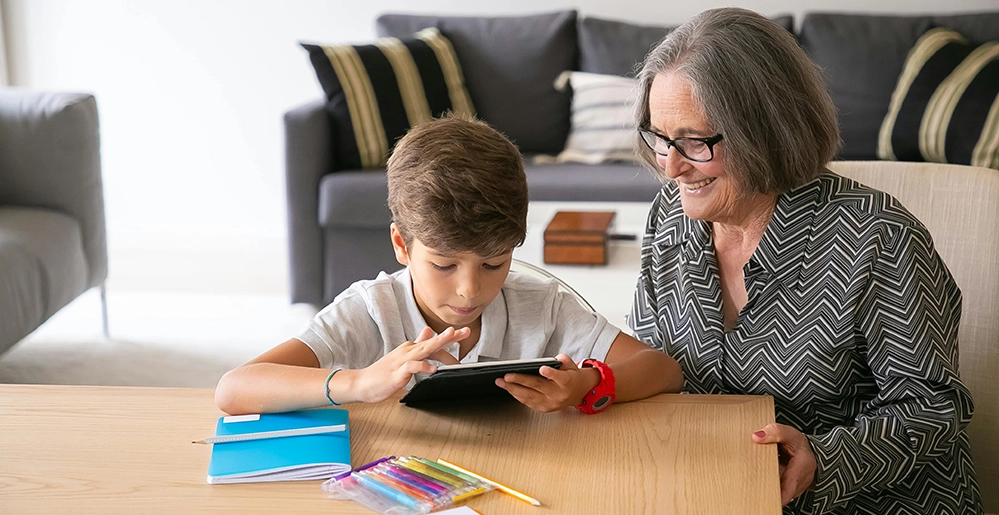
The most striking takeaway? It didn’t matter what kind of care grandparents provided or how often they did it. Whether you’re helping with algebra homework, making mac and cheese, or just keeping the kids entertained for an afternoon, the brain health benefits were evident across the board.
Brain health benefits were observed among both grandmothers and grandfathers who provided care, but grandmothers appeared to have an extra edge. Not only did caregiving grandmothers score higher on cognitive tests, but their rate of decline actually slowed over the five-year study period. Grandfathers who babysat also outperformed their non-caregiving peers, but their cognitive decline didn’t slow at the same rate.
Why the gap? Researchers think it comes down to engagement style, not gender itself. Grandmothers tend to take on more hands-on caregiving — planning activities, preparing meals, and managing schedules — while grandfathers more often play a supporting role. The takeaway for grandpas: lean into the mentally demanding stuff. Help with the homework. Plan the outing. Your brain will thank you.
“What stood out most was that being a caregiving grandparent seemed to matter more for cognitive functioning than the frequency of care or the specific activities grandparents engaged in with their grandchildren,” said lead study author Flavia Chereches of Tilburg University.

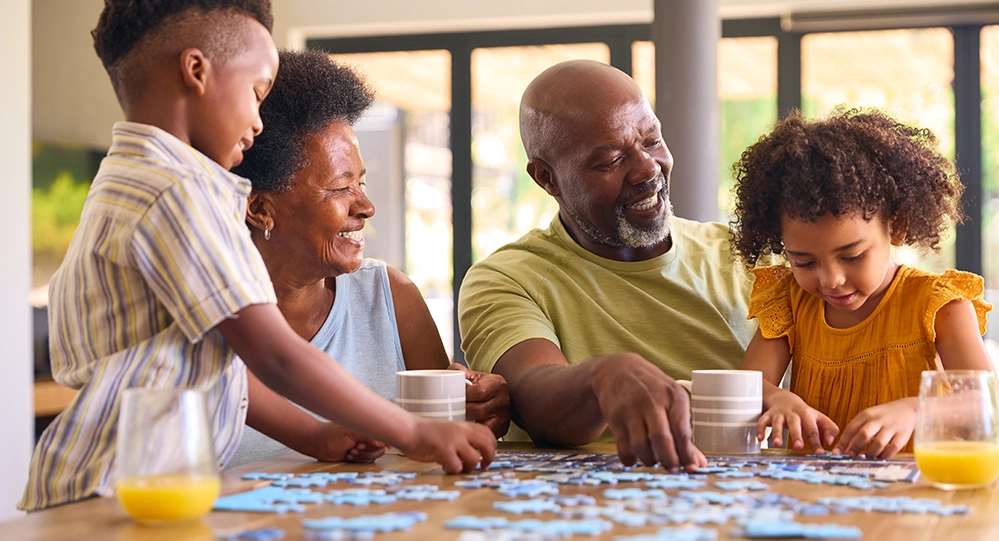
Puzzles, games, and problem-solving with the grandkids? Your brain is getting a workout, too.
Why babysitting is a brain workout
So what is it about spending time with grandchildren that gives your brain a boost? Experts point to two big factors: learning and social connection. When it comes to grandparents babysitting brain health, both play a critical role.
Childcare keeps your brain learning
Just as you’d hit the gym to keep your muscles strong, your brain needs regular workouts, too. Caring for grandchildren puts you in situations that challenge your mind in ways you might not even realize. Helping a grandchild with a school project, figuring out a new streaming app to play a movie, or hearing about the latest drama in your grandson’s friend group — all of it forces your brain to process new information and form new connections.
“Whenever we learn new things, we form new connections between brain cells,” explains Dr. Zaldy Tan, director of the Jona Goldrich Center for Alzheimer’s and Memory Disorders at Cedars-Sinai. “Whenever you make these connections, you increase what we call brain plasticity — the ability of our minds and brains to adapt to change.”
Social connection is protective
Research consistently shows that social interaction is protective of brain health, while isolation is genuinely harmful. Grandchild care is inherently social — it gets you out of the house, keeps you engaged in conversation, and connects you with the people you love most.
“We are social beings, and there are even changes in metabolic activity and brain activity that occur when we’re isolated that are harmful,” notes Dr. James Ellison, a psychiatrist at Jefferson Health in Philadelphia. Studies have linked isolation, loneliness, and depression to higher rates of dementia, making regular time with the grandkids a surprisingly powerful form of prevention.

A few things to keep in mind
No study is perfect, and this one has some limitations worth noting. Participants self-reported their caregiving habits, which leaves room for inaccurate recall. Researchers also acknowledged that they didn’t have data on participants’ midlife health habits, which could influence both their ability to provide care and their current cognitive health. In other words, it’s possible that grandparents who are already cognitively healthier are simply more likely to babysit — a classic chicken-and-egg question.
The study tracked British grandparents, and whether the findings apply across different cultural settings — where grandparenting roles and expectations vary widely — has yet to be tested.
Still, the findings add to a growing body of evidence that staying active, engaged, and socially connected is one of the best things you can do for your brain as you age.
Babysitting your grandkids and brain health: what to know
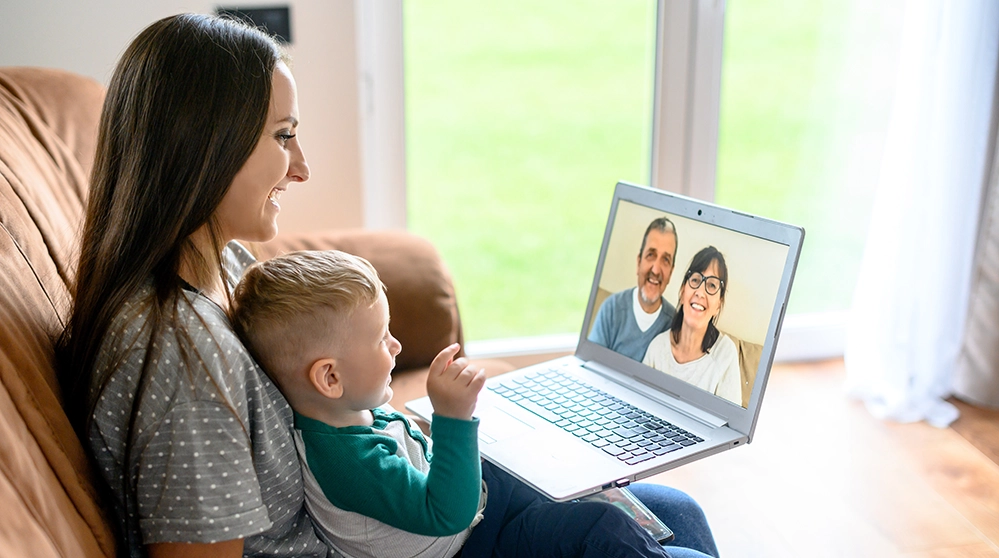
What if you’re a long-distance grandparent — does virtual time count?
Experts say video calls, reading bedtime stories over FaceTime, and helping with homework on Zoom still provide the mental stimulation and social connection that benefit brain health. The key is active engagement — not passive screen time. If you’re genuinely interacting with your grandchild, your brain is still doing the work.
Do you have to be a grandparent to get these brain benefits?
Not necessarily. The cognitive advantages appear tied to grandparent caregiving and social engagement with children — not the grandparent title itself. Volunteering with kids, mentoring, or regularly spending time with nieces, nephews, or neighborhood children may offer similar brain health benefits. The magic is in the interaction, not the family tree.
Does the grandchild’s age matter?
Different ages challenge your brain in different ways — toddlers demand physical energy and creativity, while school-age kids push you intellectually through their homework and conversations. Teenagers? They’ll keep you sharp just trying to keep up with the slang. There’s no evidence that one age group benefits grandparents more than another.
Is there such a thing as too much babysitting?
The researchers behind the 2026 Psychology and Aging study didn’t find that more frequent babysitting harmed cognition — but they did highlight an important caveat. Lead author Flavia Chereches said that if caregiving is done voluntarily within a supportive family setting, it likely has different effects than caregiving that feels obligatory or burdensome.
So if babysitting starts crowding out your social life, hobbies, and independence (the very things that also keep your brain sharp), find the sweet spot: regular involvement on your own terms.
The bottom line
Alongside regular exercise, quality sleep, stress management, and a healthy diet, spending time with your grandchildren belongs on the list of things that help keep your brain in top form. The research on grandparents babysitting brain health is compelling: saying “yes” to picking up the grandkids from soccer practice or helping them build a Lego set is practically a prescription for cognitive wellness. So enjoy every minute of it.
This article is for informational purposes and is not a substitute for professional medical advice. If you have concerns about cognitive health, talk to your doctor.
Have a story about how your grandkids keep you sharp? We’d love to hear it — drop us a line at heidi@fyi50plus.com
You just read one of our favorite stories. There’s more where this came from — subscribe, and we’ll bring them to you every Tuesday.