Diane Keaton’s Legacy: She Never Stopped Being Herself
A tribute to an original who lived on her own terms

When Diane Keaton passed away on October 11, 2025, at age 79, the world lost more than an Oscar-winning actress. We lost someone truly special, intelligent, funny, warm, and unapologetically herself. A woman who showed us what it looks like to refuse to fade, to refuse to “act her age,” to refuse to become what society expects of older women.
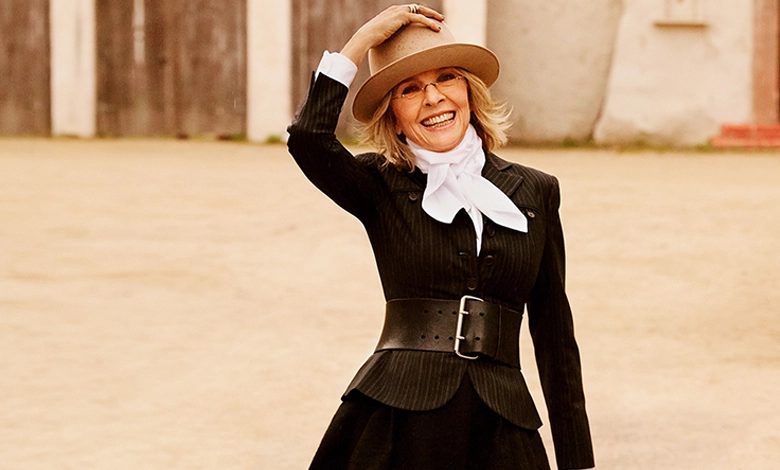
She was secure in her aesthetic judgment — the style, the choices, the creative vision. She wore her oversized menswear and signature hats. She posted candid moments on social media. She drank red wine with ice cubes and made unconventional choices on her own terms. She loved her children, her friends, her dog Reggie, and all animals fiercely.
She never mellowed. And that’s the most powerful lesson she left us.
At 69, she told AARP Magazine: “At this age, everything seems much more astonishing. Like, oh my goodness, look at that sycamore tree! Why didn’t I see that before? There’s a magical aspect, a wonder, to being on this planet.”
If she could live that fearlessly for 79 years, why can’t we?


The Diane Keaton blueprint: Refusing to conform for four decades
She created her own style, and never apologized.
Remember the first time you saw Annie Hall? That moment when Keaton appeared in men’s vests, oversized pants, ties, and hats? It wasn’t a costume. That was her.
She wore what felt right, what made her comfortable, what expressed who she actually was.
And she never stopped. Not in her 40s. Not in her 50s. Not in her 60s. Not even in her final years.
She kept expanding, acting was just the beginning
Acting made Keaton famous. But she didn’t let that define or limit her. She directed films. She became a serious photographer, publishing multiple photo books. She wrote bestselling memoirs. She collected art and architecture.
When she was in her 50s, an age when many people think their creative life is over, she adopted two children and embraced motherhood with the same fearlessness she brought to everything else.
She didn’t follow anyone’s timeline but her own. She kept exploring, creating, risking, growing.
She fought for architectural beauty—in buildings and photographs
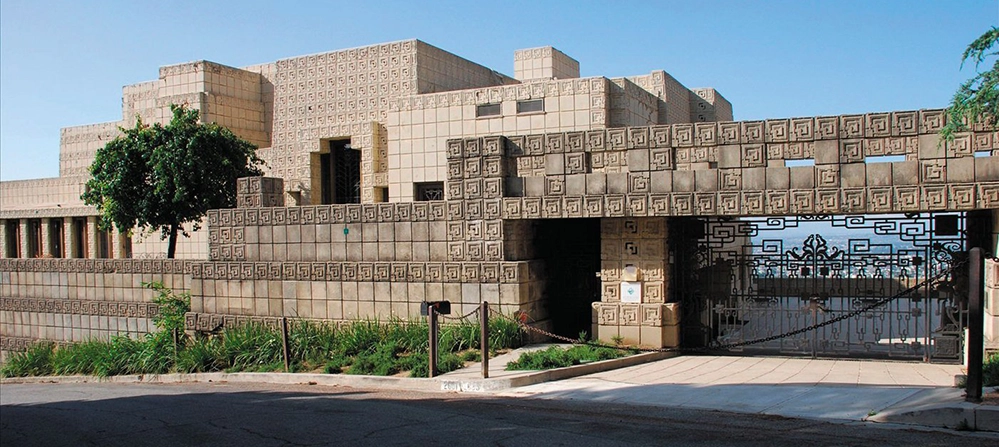
For nearly two decades, Keaton served on the Los Angeles Conservancy. She was a passionate advocate for historic preservation and the stories and identities of Los Angeles. When the Frank Lloyd Wright-designed Ennis House faced demolition, she rallied Hollywood to save the landmark. In the early 1990s, she bought a dilapidated Spanish-style home in Beverly Hills and spent years restoring it with original tiles and vintage lights. She told Architectural Digest: “I always had an interest in homes and the concept of home…I love it because I’m drawn to things with a past, a cracked tile, a faded wall. It reminds me that everything in life comes with imperfections.”
One of her most personal projects was an eight-year gut renovation of her Brentwood home, tearing down walls and building it back up again. She handpicked 75,000 bricks for the extensive rebuild, inspired by her childhood love of The Three Little Pigs. She gathered ideas on Pinterest and documented the entire process in her book The House That Pinterest Built.
Why we’re still dealing with the “mellow” message
Let’s talk about this word: mellow. It sounds harmless, even positive. But dig deeper and it often means something else: smaller, quieter, less.
These expectations exist to make other people comfortable, not to serve you. When you stay vibrant and fully yourself after 50, you disrupt the narrative that women become irrelevant after a certain age. You remind everyone that life doesn’t end at menopause or retirement.
Diane Keaton disrupted the narrative every single day. And she was right to do it.
How to find your authentic voice after 50
You might be thinking: “That’s easy for Diane Keaton to say. She was famous. She had money. She could afford to be different.”
Fair point. But authenticity isn’t about having resources. It’s about having courage.
1. Where are you playing it safe?
Ask yourself: What am I doing because I genuinely want to, and what am I doing because I think I should?
The “should” list? That’s where your inauthenticity lives. Pick one thing from that list. Stop doing it this month.
2. What makes you feel most like yourself?
You don’t need to raid the men’s department like Diane did. But find something in your life that screams “this is me,” even if it’s unconventional. The art class. The “weird” hobby. The trip you keep talking yourself out of.
The thing that makes you feel most yourself. Do more of that.
3. Who celebrates your courage?
Surround yourself with people who love your quirks. If your current circle makes you feel like you need to shrink, expand it.
Join groups built around your interests. Connect with other women who refuse to mellow. Find your people, the ones who say “yes, AND” instead of “but what will people think?”
CREATE YOUR “HELL YES” LIST
A practical exercise to find your way back to yourself:
Write down everything that makes you feel truly alive. Not what should make you happy. Not what made you happy 20 years ago. What lights you up RIGHT NOW?
Then ask: How much of my actual life is dedicated to these things?
If the answer is “not much,” that’s your roadmap. Start shifting time and energy toward the things that light you up. Even if it’s just 15 minutes a day at first. Even if people think it’s silly. Even if it feels selfish (spoiler: it’s not).
These moments are breadcrumbs leading you back to yourself.
It’s never too late to start
Diane Keaton was authentic from day one. But not everyone’s story begins that way, and that’s okay. Some of the most inspiring women didn’t find their true calling until decades into their lives.
Julia Child published her first cookbook at 50. She was a government worker who discovered her passion in a cooking class in her late 30s. At 51, Mastering the Art of French Cooking changed American cuisine forever. She launched her cooking show at 61.
Grandma Moses didn’t start painting until she was 78. She took it up when arthritis made embroidery too difficult. By 80, she was exhibiting at museums. She created over 1,600 paintings and worked until she was 101.
Laura Ingalls Wilder published her first Little House book at 64. She’d been a farmer and a columnist but didn’t become the beloved children’s author we know until her mid-60s.
The years you spent on other paths weren’t wasted. They taught you what you don’t want. They showed you what drains you. They gave you the wisdom to recognize what feels right when you finally find it.
You’re not starting from scratch. You’re starting from experience.
Diane Keaton’s lasting gift to us
In the days after Keaton died, tributes poured in from actors, directors, fans. Everyone had their favorite movie, their favorite outfit, their favorite saying.
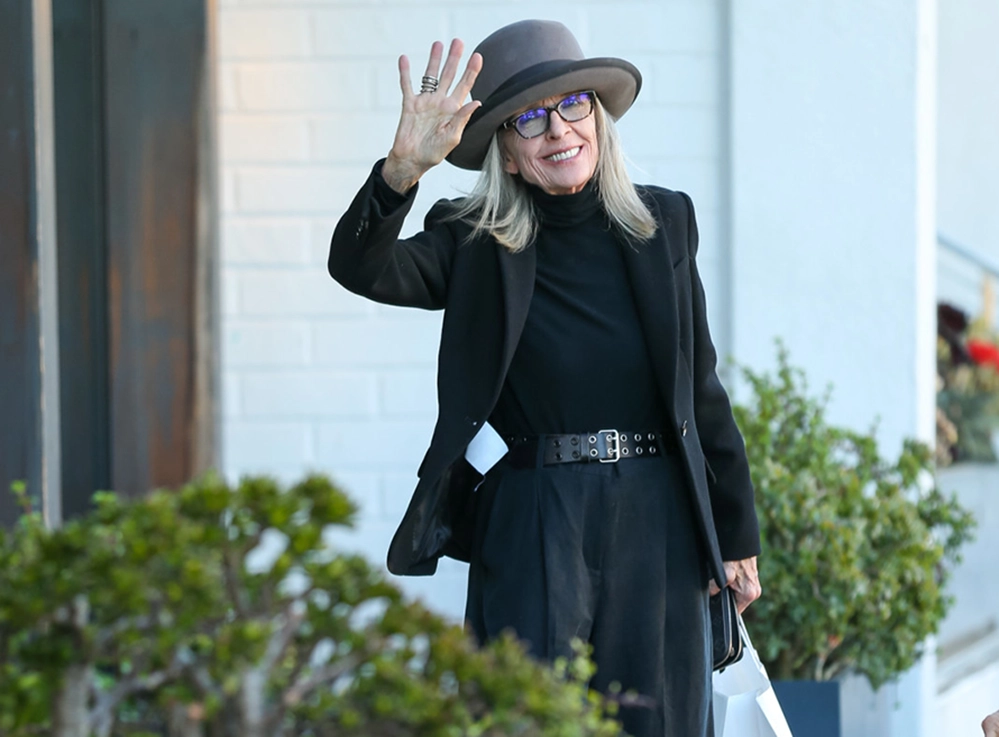
We’ll all remember her incredible performances. But her deeper legacy? It’s refusing to mellow when the world expects it. It’s wearing what makes you feel like yourself, even if others view it as a little “weird.” It’s pursuing your curiosities wherever they lead. It’s staying vitally, gloriously, unapologetically alive.
Keaton never faded into the background. She never became smaller or quieter or less herself.
And she showed us that we don’t have to either.
Frequently Asked Questions
A few questions to ask yourself to get you started
Q: Isn’t living authentically just selfish?
A: There’s a difference between authenticity and cruelty. Living authentically means honoring your truth, pursuing your interests, and refusing to shrink yourself. It doesn’t mean disregarding your responsibilities or hurting people you love. In fact, the most authentic people often have the deepest, most honest relationships because they’re not performing or pretending.
Q: Is it too late to pursue my passion at my age?
A: Absolutely not. Many people find their true calling later in life—after their children are grown, during a career transition, or in retirement. It’s never too late to try something new or pursue what you’ve always wanted to do.
Q: Where do I start?
A: Start with curiosity. What draws your attention? What makes you lose track of time? What did you love as a child before anyone told you who to be? Pay attention to moments when you feel most alive. Your authentic self is already there—the work is uncovering it, not creating it.
Q: How do I deal with criticism from family and friends?
A: Remember that their discomfort is about them, not you. People who’ve chosen safety over authenticity often feel threatened by others’ courage. That doesn’t mean you have to dim your light. Stand firm in your choices, set boundaries when needed, and give people time to adjust. Some will come around. Some won’t, and that’s okay.
Here’s to Diane—and to staying true to ourselves.
May we dress authentically, love fiercely, create constantly, and stay curious until our very last day.
May we live so fully that when our time comes, people don’t say “She aged gracefully.”
May they say: “She never stopped being herself.”
May they say, with attitude: La di da, la di da!